

What Makes a Wedding Photographer Fine Art
The Term That Gets Used A Lot
“Fine art” has become one of the most overused phrases in wedding photography.
Bright and airy? Fine art.
Shoots film? Fine art.
Uses pastel tones? Fine art.
But those things alone don’t define it.
Fine art is not a preset.
It’s not softness.
It’s not just film.
It’s approach.
Fine Art Is Intentional Composition
A fine art photographer does not simply capture what is happening.
They consider:
• Light direction
• Negative space
• Background structure
• Balance within the frame
• Color relationships
• Depth
It’s less reactive. More composed.
Even candid moments are framed with awareness.
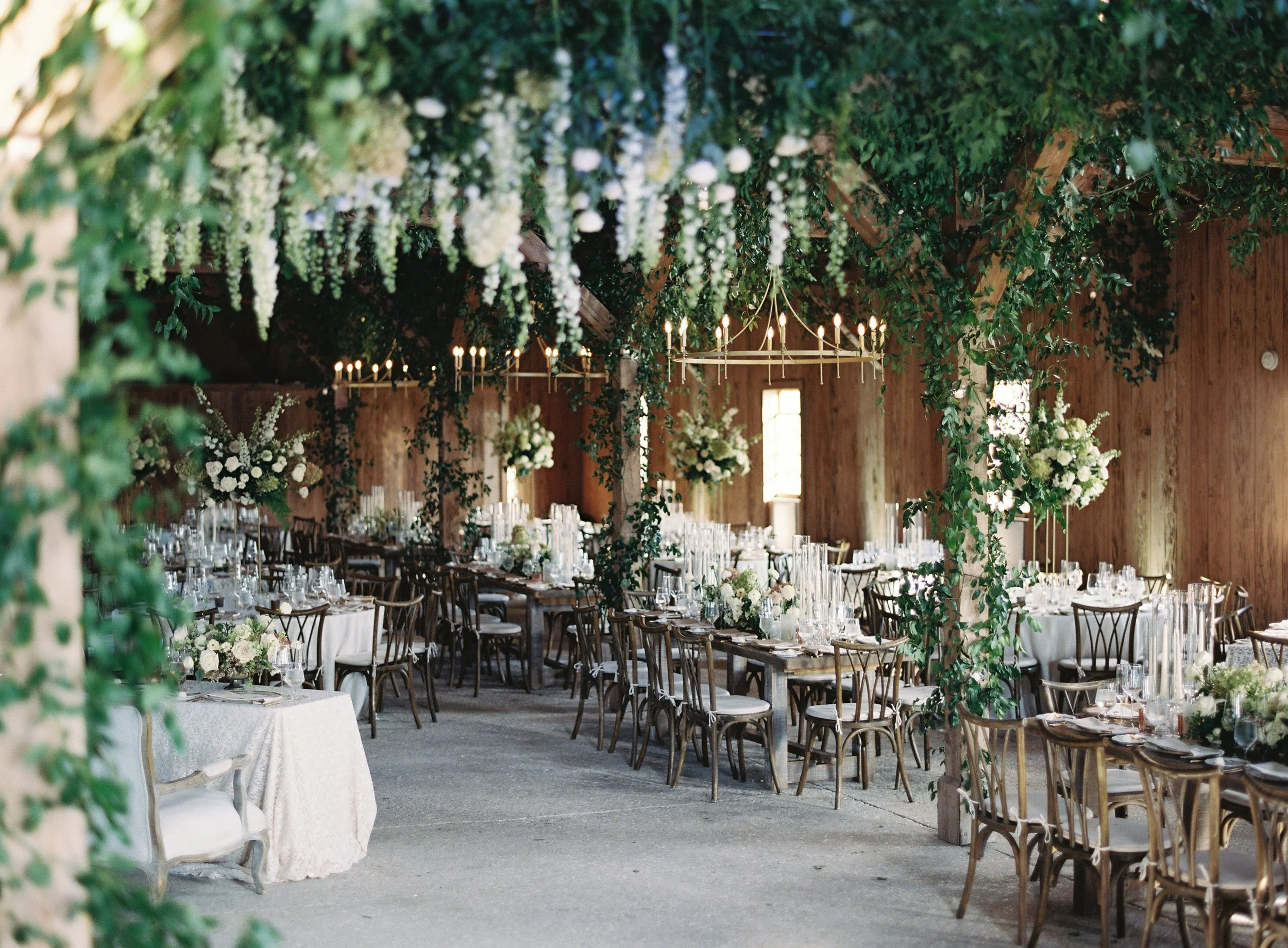
Fine Art Is Light-First
If you strip everything else away, fine art wedding photography is light-driven.
The photographer is constantly asking:
Where is the light coming from?
Is it flattering?
Does it add depth?
Is it soft or harsh?
Is it shaping the image or flattening it?
Fine art photographers will move a couple three feet to the left if it improves the light.
They will rotate a ceremony direction if it protects skin tones.
They will adjust a timeline to preserve softness.
Light is not an afterthought. It is the foundation.
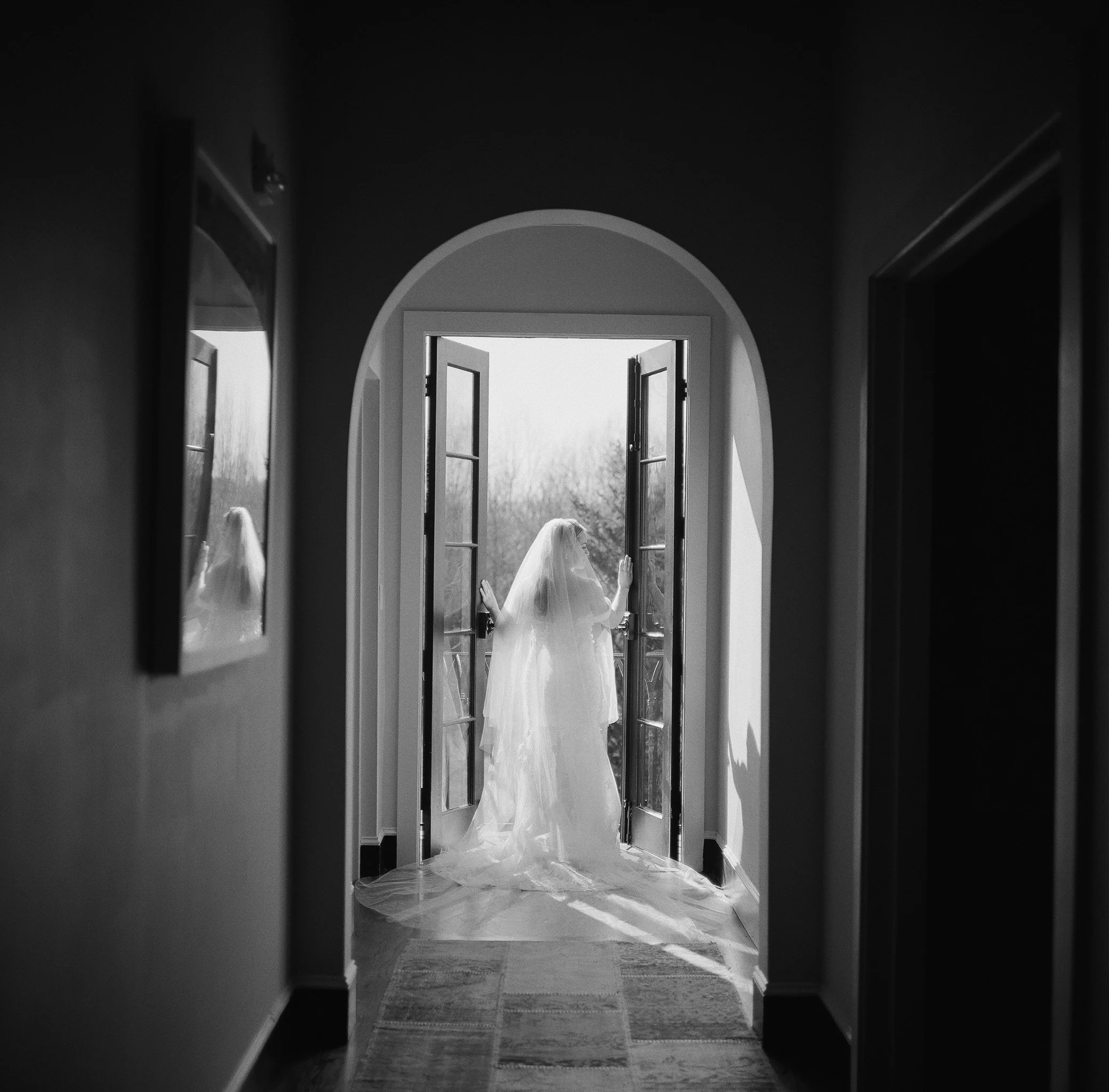
Fine Art Is About Restraint
Fine art photography is not loud.
It avoids:
• Over-editing
• Extreme color shifts
• Heavy contrast trends
• Visual clutter
It favors:
• Clean backgrounds
• Natural skin tones
• Controlled editing
• Images that feel steady years later
The goal is longevity.
Not what feels popular this season.
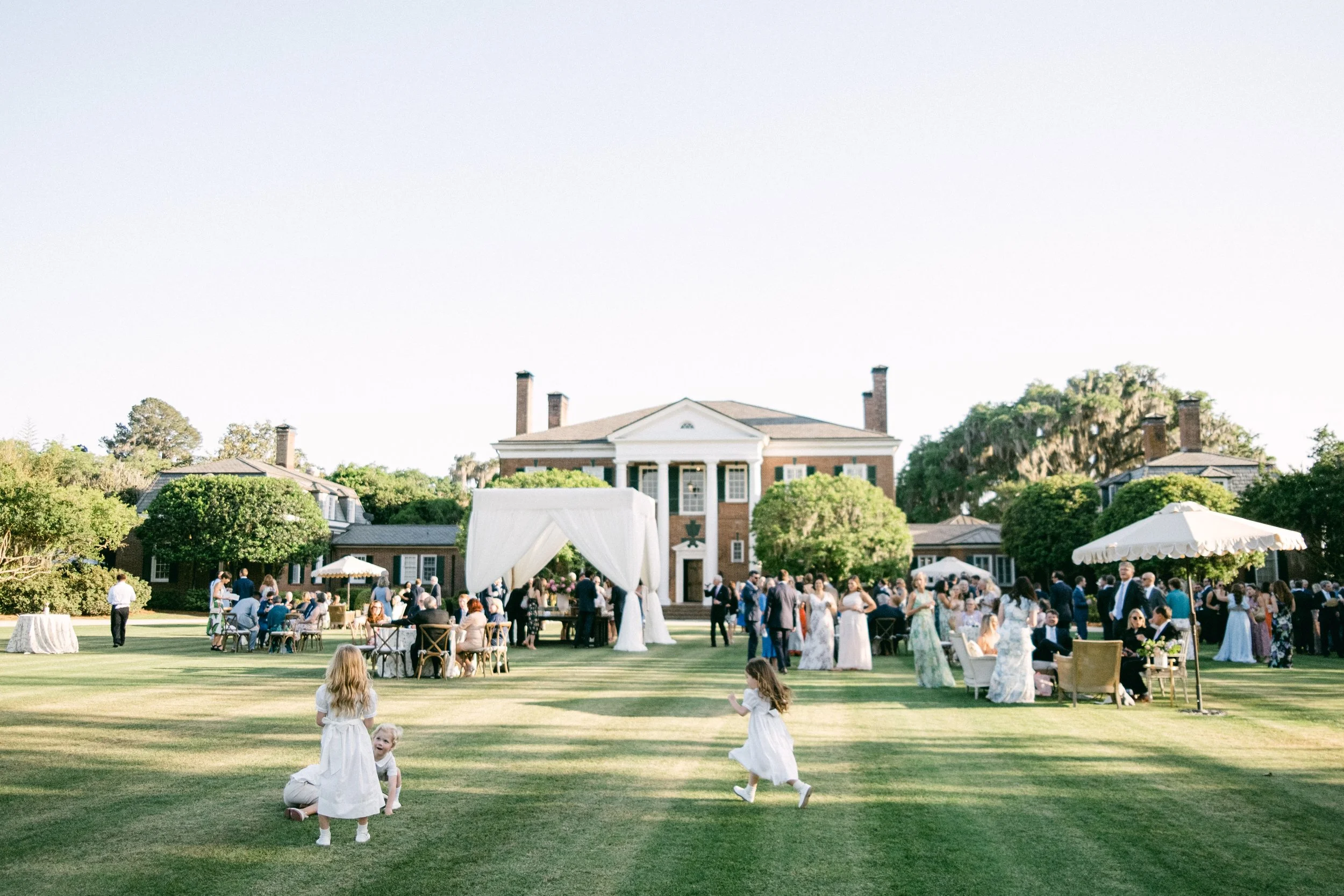
Fine Art Is Cohesive
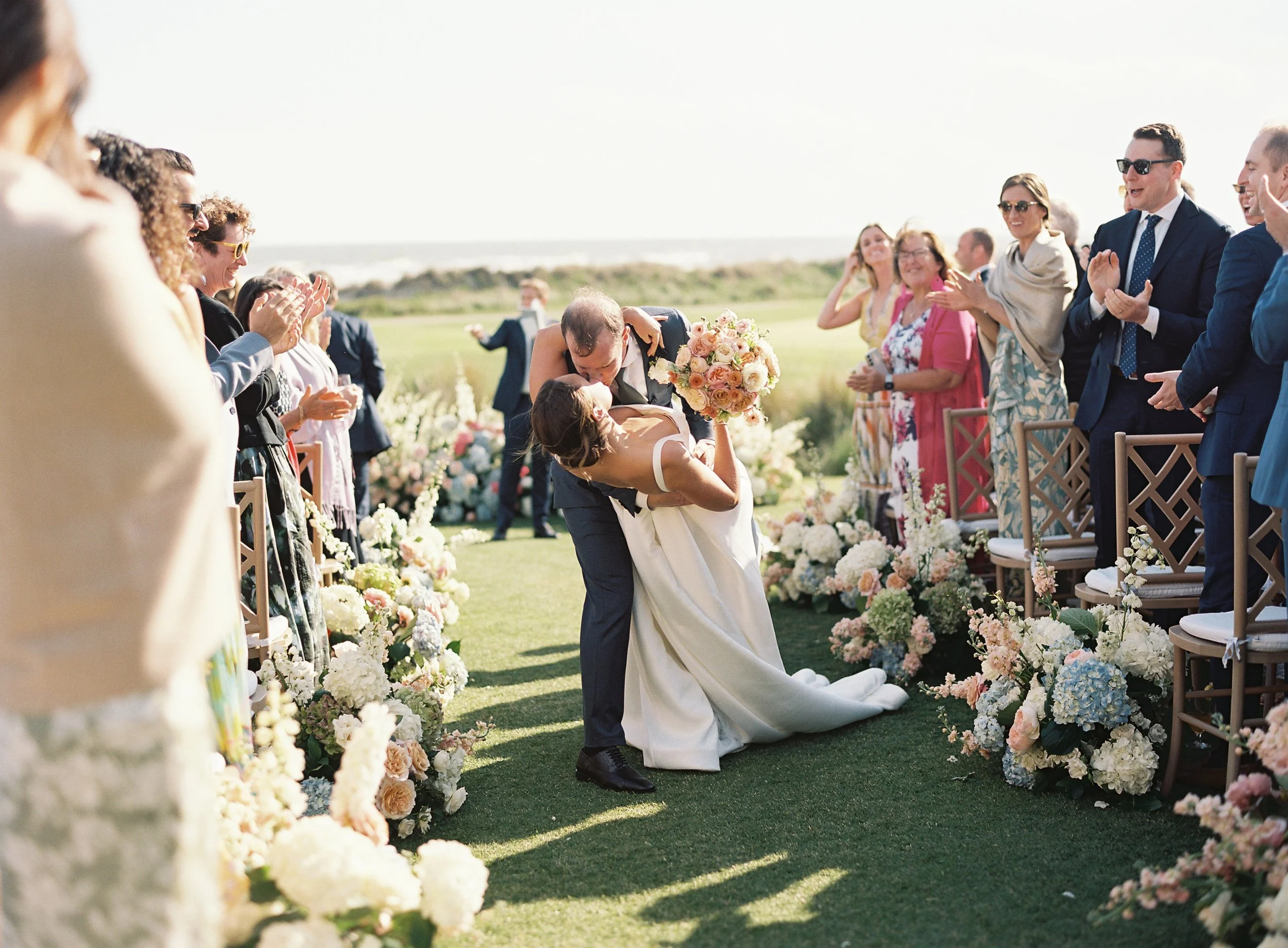
One image can look beautiful.
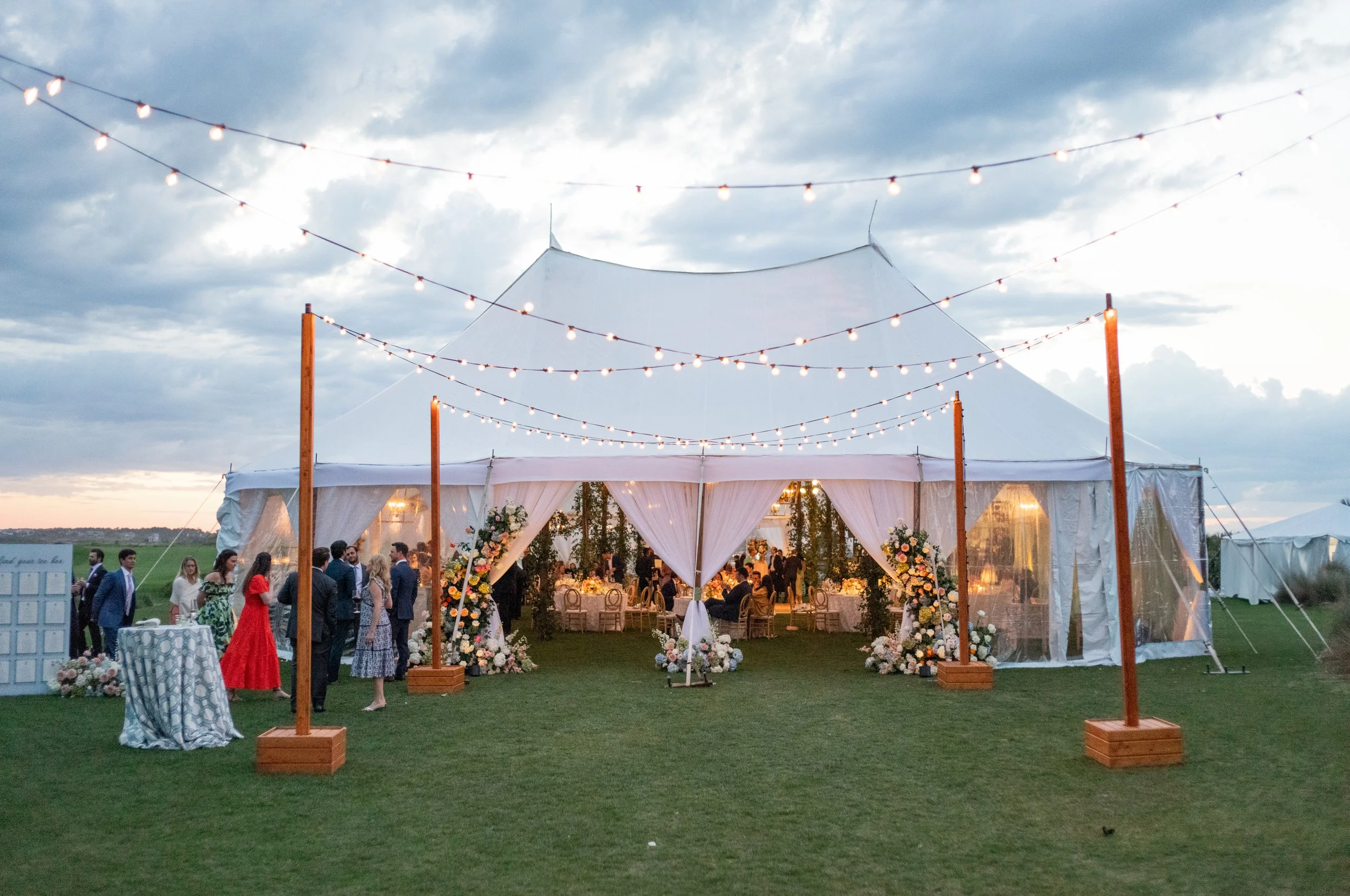
A full gallery is where fine art photographers stand apart.
A fine art gallery should feel:
• Tonally consistent
• Balanced
• Thoughtful
• Intentional
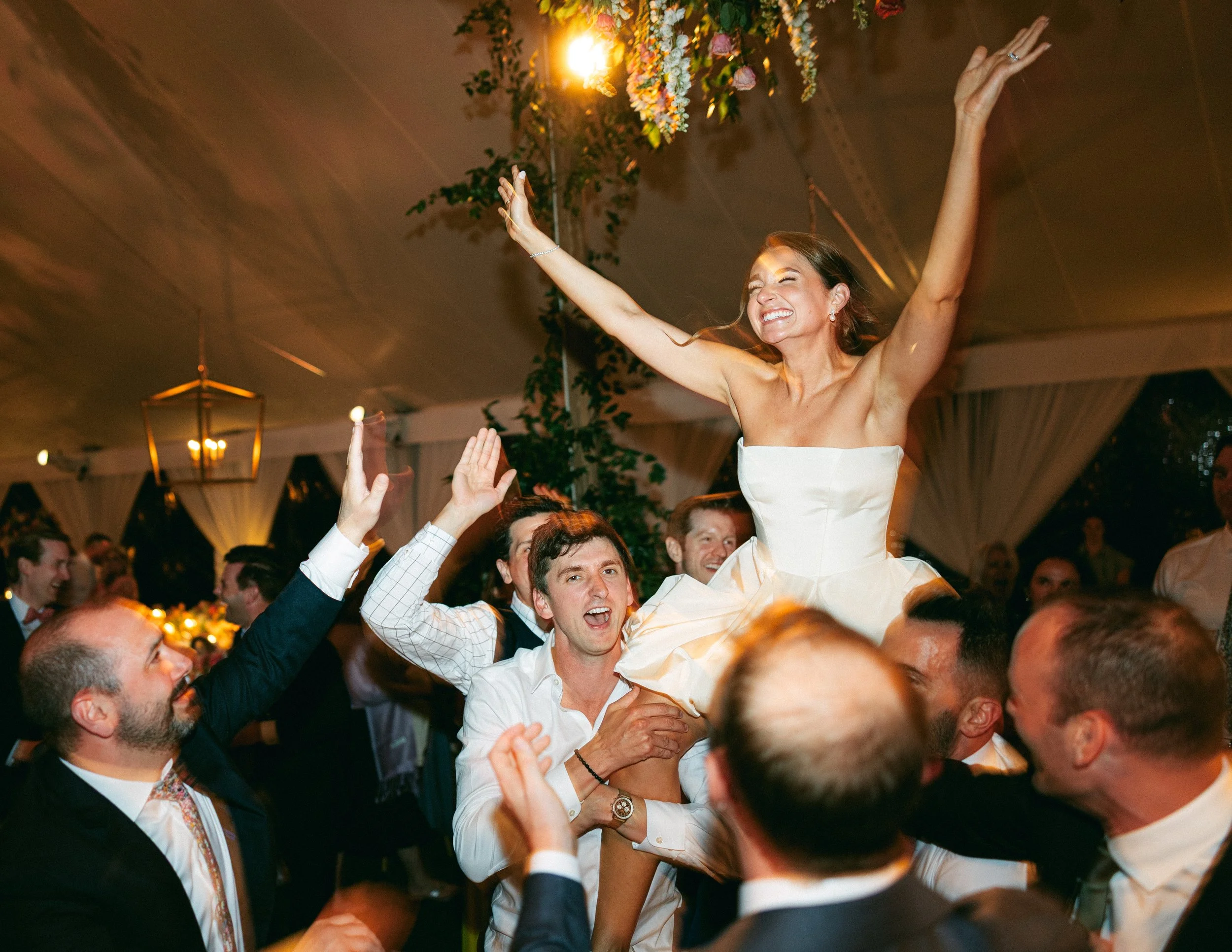
From the getting-ready room to the dance floor, the visual language stays intact.
If you’re evaluating photographers, always ask to see a full wedding.
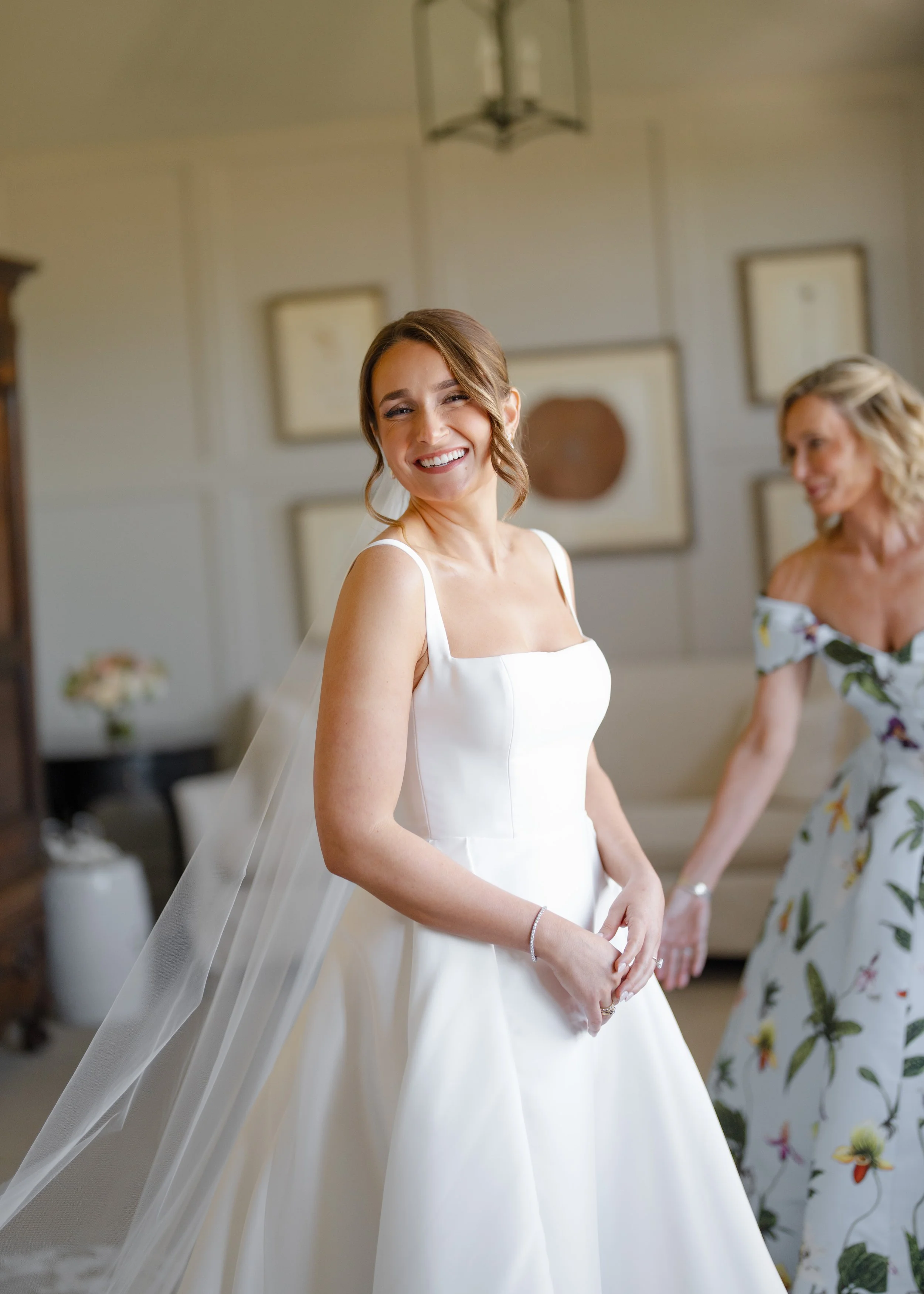
Fine Art Does Not Mean Over-Posed
This is a common misconception.
Fine art does not equal stiff.
It does not mean every image is styled or directed.
It means when direction is given, it is purposeful.
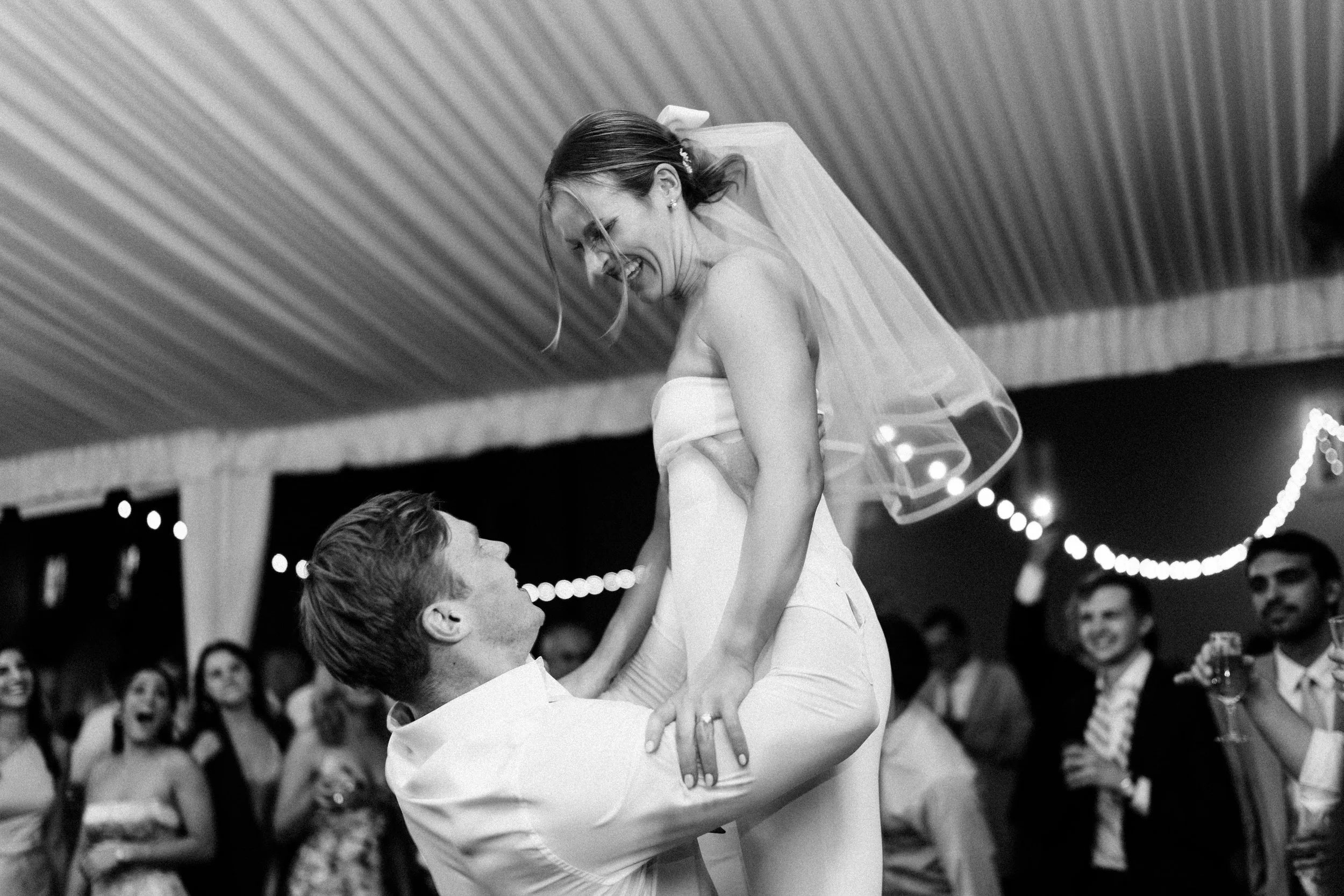
In my work, roughly 80 to 90 percent of the gallery is candid.
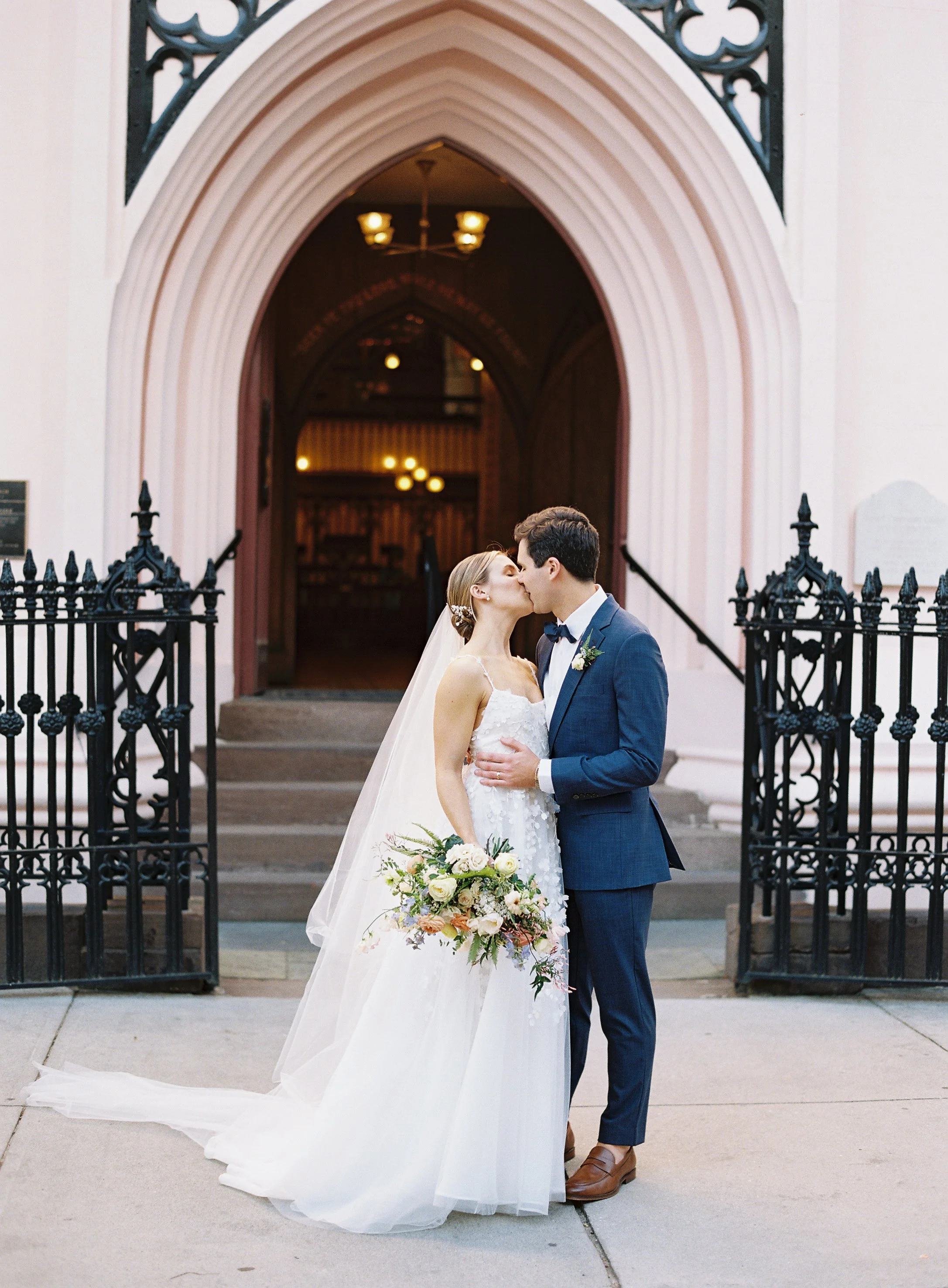
The remaining portraits are guided with subtle direction to refine posture and light.
Emotion remains real.
Fine Art and Film
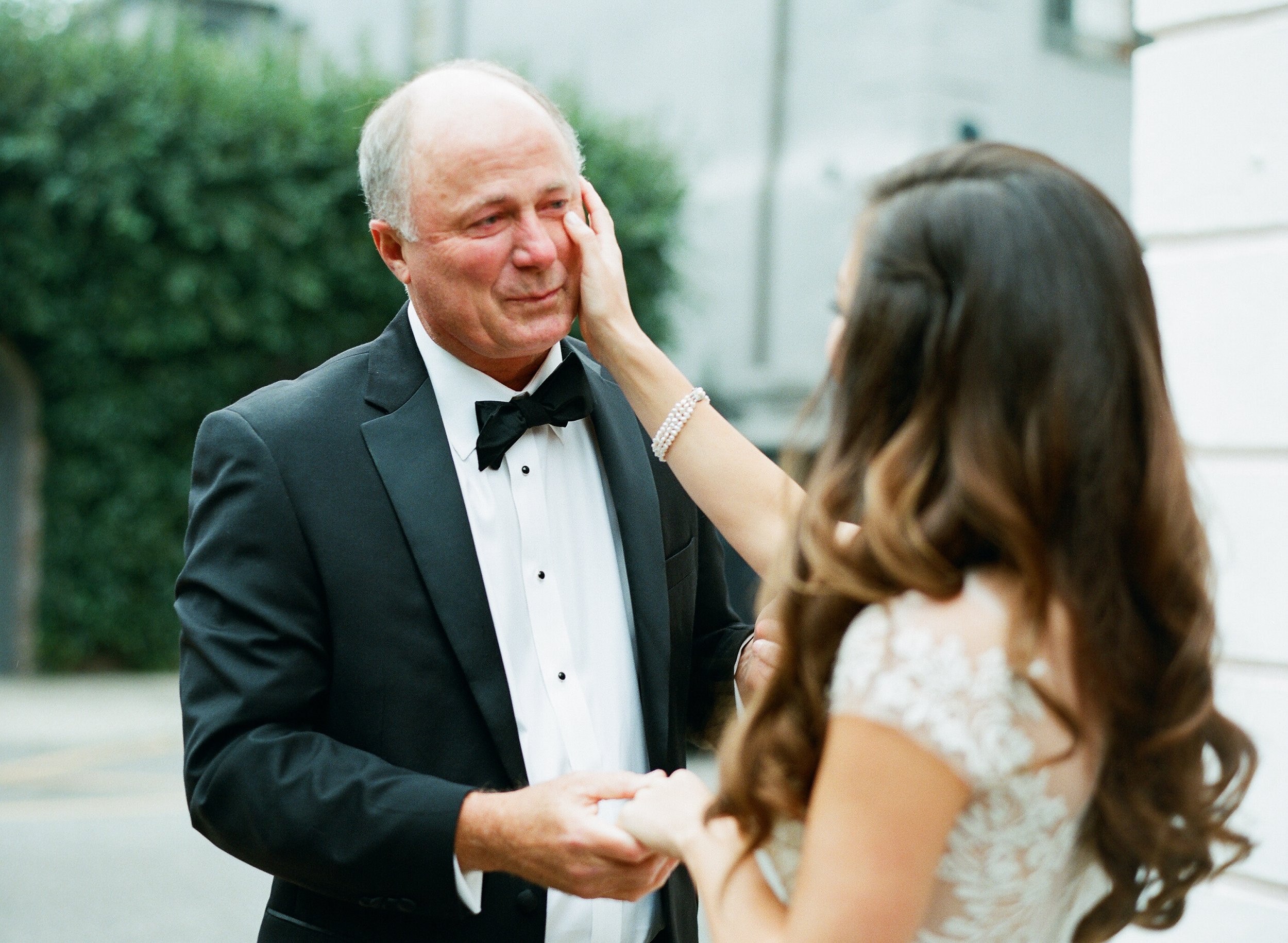
Film is often associated with fine art photography because of how it renders light and color.
But film alone does not make someone fine art.
It is the way the medium is used.
In my work, approximately 300 to 400 images per wedding are shot on film. Those frames are chosen intentionally — where light, tone, and atmosphere benefit most from the medium.
Film supports the philosophy.
It doesn’t define it.
For a deeper look at how film compares to digital, read:
So How Do You Know If Someone Is Truly Fine Art?
Ask yourself:
Do the images feel calm or chaotic?
Are the skin tones consistent?
Do the backgrounds distract?
Does the editing feel extreme?
Does the gallery feel cohesive from start to finish?
Fine art photography should feel controlled, not trendy.
It should feel deliberate.
Where I Land
My approach blends candid coverage with intentional composition.
It is light-first.
It is film-supported.
It is consistent.
I do not manufacture emotion.
I refine the environment around it.
That balance is what allows the work to feel honest but elevated.
Fine art wedding photography is not about softness alone.
It is about discipline.
It is about restraint.
It is about creating images that still feel right when trends shift.
If that is the kind of documentation you are drawn to, I would love to talk about your plans.