

Film vs Digital Wedding Photography: What Couples Should Actually Know
Charleston is one of the most visually distinctive wedding markets in the country. Between historic homes, waterfront ceremonies, pastel architecture, and candlelit receptions, light behaves differently here than in most cities.
Because of that, many couples planning a wedding ask the same question:
Is film wedding photography better than digital?
The answer is more nuanced than most blog posts make it sound.
This is what couples should actually understand before deciding between film, digital, or hybrid wedding photography.
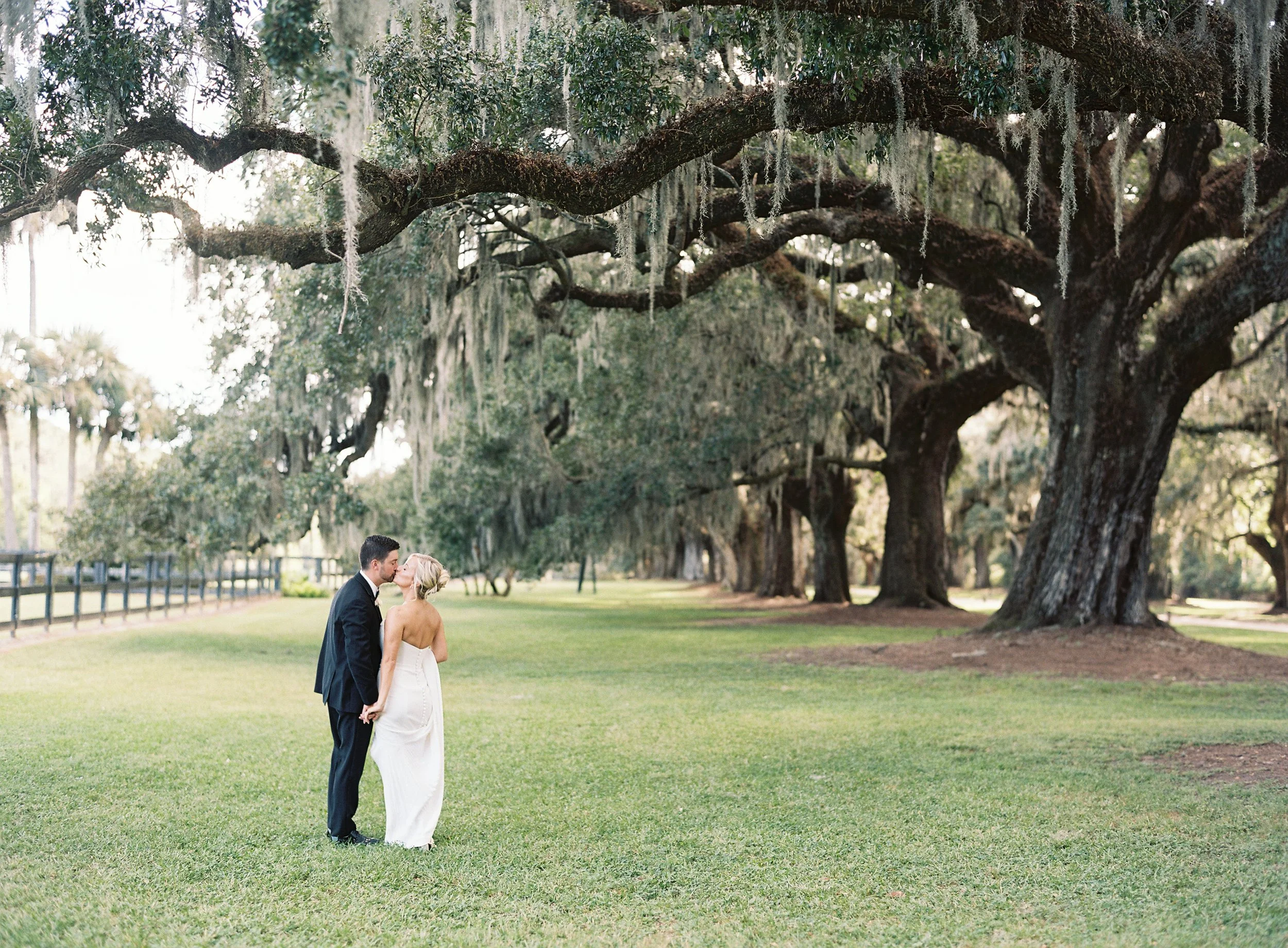
What Film Wedding Photography Actually Does
Film photography captures light gradually. Instead of clipping highlights or over-sharpening skin, it absorbs brightness and rolls off tones softly. In Charleston’s historic venues — where white walls, plaster, linen, and soft coastal daylight dominate — that subtle highlight retention matters.
Film wedding photography is known for:
• Soft tonal transitions
• Dimensional skin tones
• Natural color depth
• Organic grain texture
• A painterly, romantic rendering of light
Medium format film, in particular, creates depth that feels less digital and more atmospheric. It’s one of the reasons fine art wedding photography in Charleston continues to lean heavily toward film.
Film does not “fix” a wedding day. It interprets it.
And in Charleston’s soft, reflective daylight, that interpretation often feels timeless.
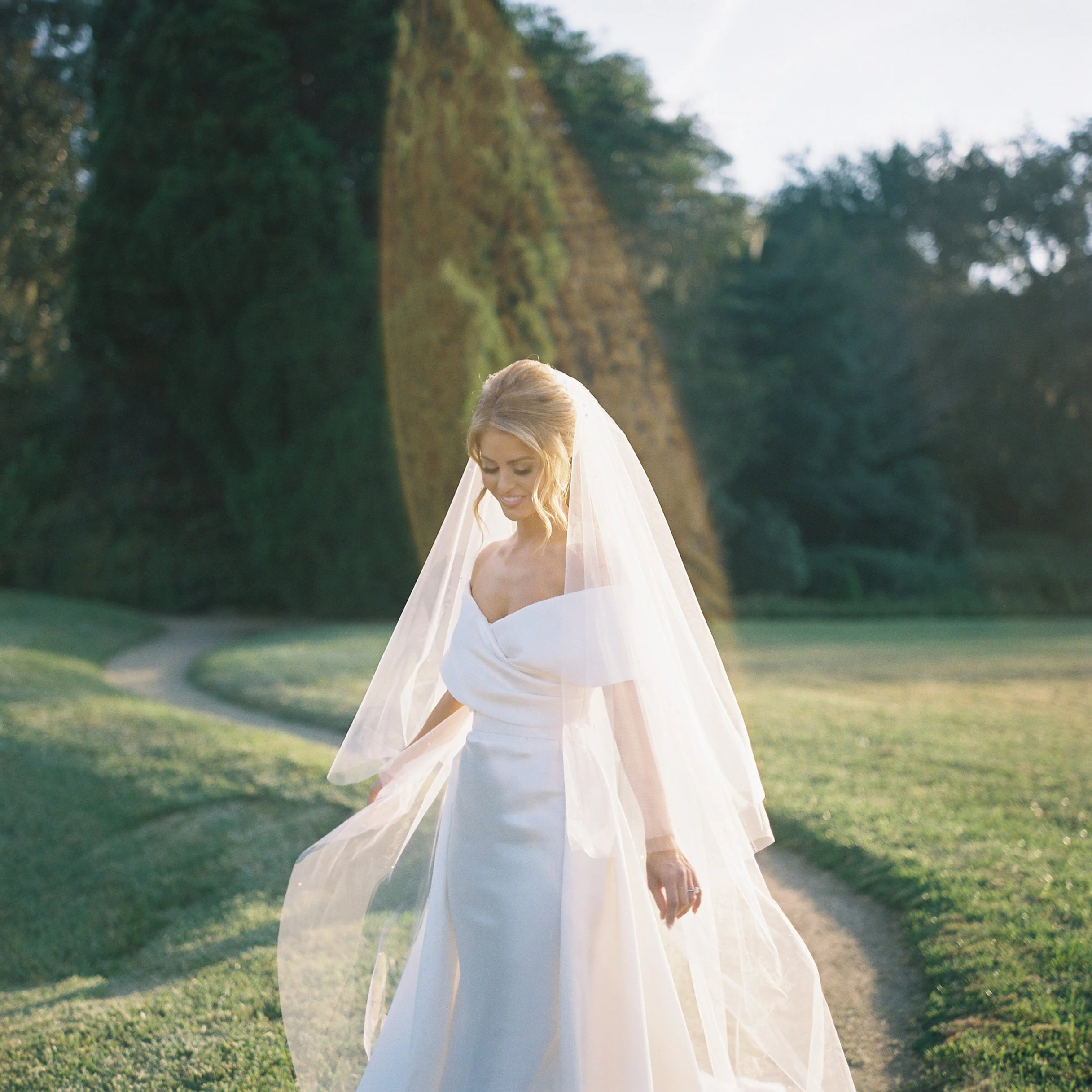
Where Film Thrives in Charleston Weddings
Film performs beautifully in:
• Outdoor ceremonies
• Portraits in historic gardens
• Getting ready moments near windows
• Bright Southern daylight
• Soft pastel color palettes
Charleston’s architecture — from venues like Middleton Place to downtown historic homes — pairs naturally with film because of its layered texture and neutral tones.
In these settings, film preserves whites, protects highlights, and maintains skin softness in a way that feels effortless.
What Digital Wedding Photography Does Differently
Modern digital wedding photography is incredibly advanced. The conversation is no longer about “quality.” It’s about rendering and flexibility.
Digital excels in:
• Fast transitions
• Dark receptions
• Candlelit ballrooms
• Rapid dance floor movement
• Tight timelines
Digital sensors adapt quickly. They allow precision in unpredictable lighting conditions and ensure nothing is missed when moments unfold quickly.
Where film is interpretive and restrained, digital is responsive and immediate.
Both are powerful tools. They simply behave differently.
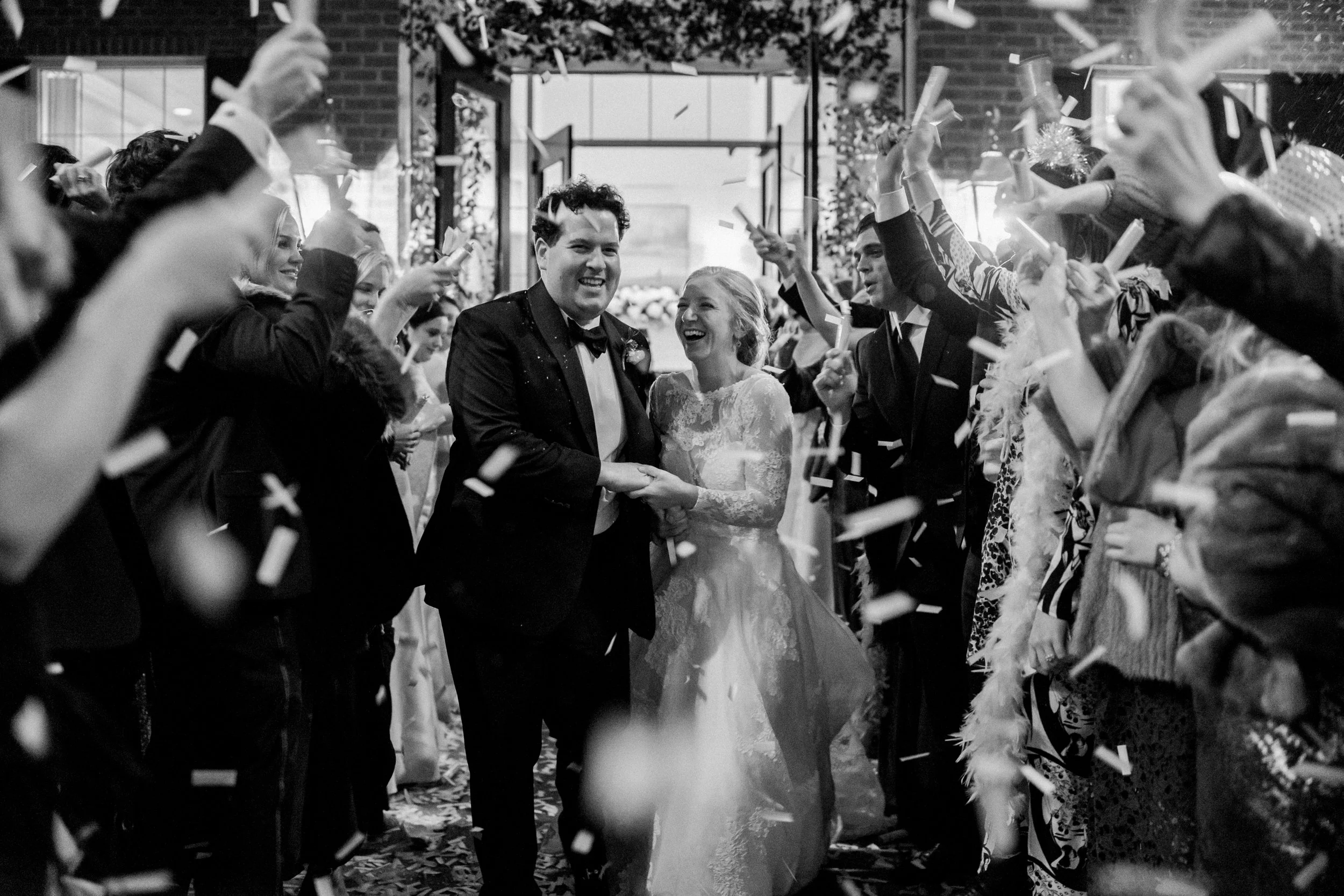
Film vs Digital Wedding Photography: The Emotional Difference
This is where most couples actually feel the distinction.
Film tends to feel:
• Soft yet dimensional
• Romantic without being overly stylized
• Refined and legacy-driven
• Calm and cohesive
Digital tends to feel:
• Crisp and sharp
• Immediate and vivid
• Technically precise
• Clean and contemporary
Neither is inherently better.
The real question becomes: how do you want your wedding to feel when you look at it in 20 years?
Why Many Charleston Fine Art Photographers Shoot Hybrid
In Charleston’s wedding market, many established fine art photographers work in a hybrid format — blending film and digital intentionally throughout the day.
Hybrid wedding photography means:
• Film is used when light is soft and dimensional
• Digital is used when speed or darkness demands flexibility
• The final gallery is cohesive and color-balanced
• No moment is sacrificed for aesthetic purity
Film during golden-hour portraits.
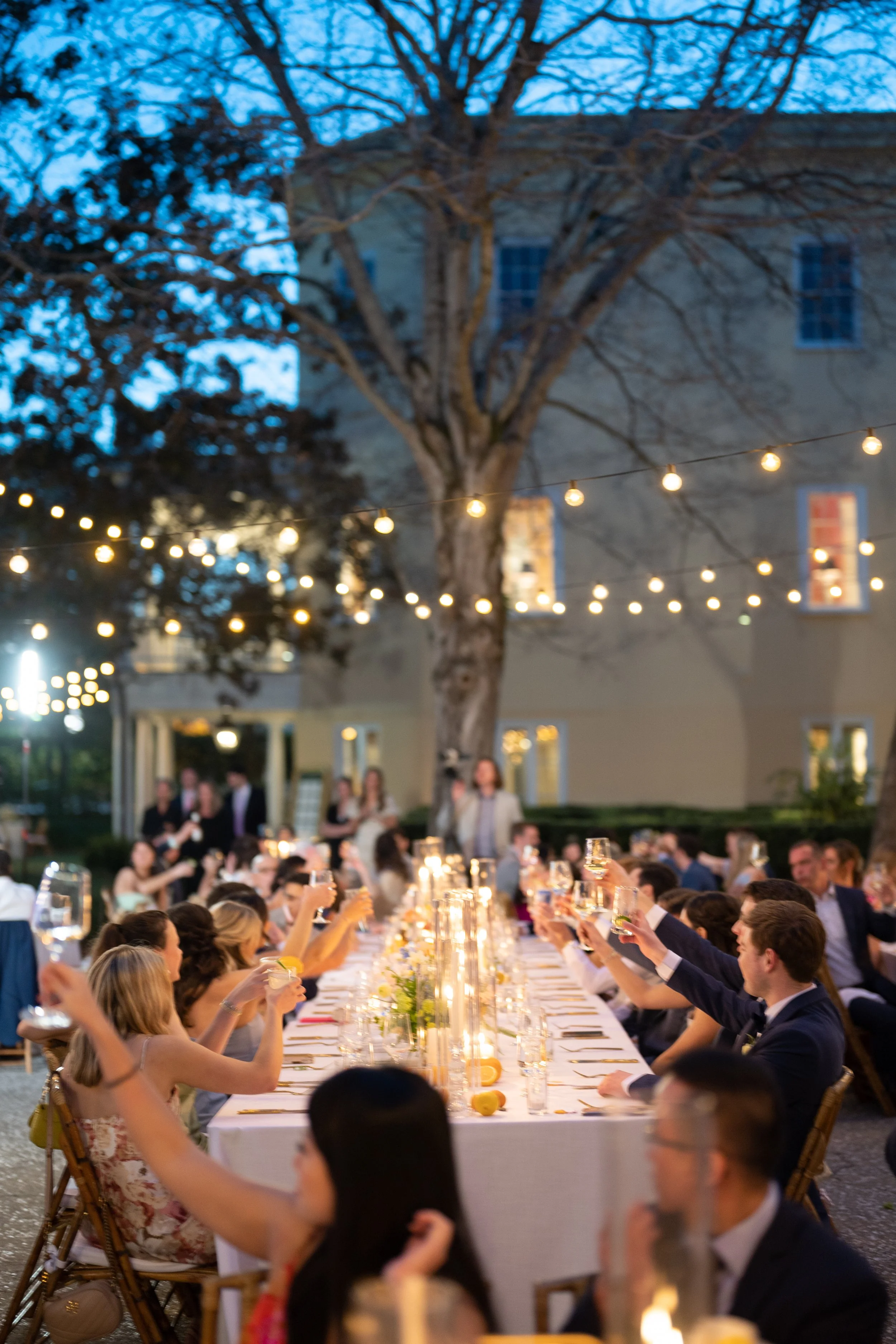
Digital during a candlelit reception.
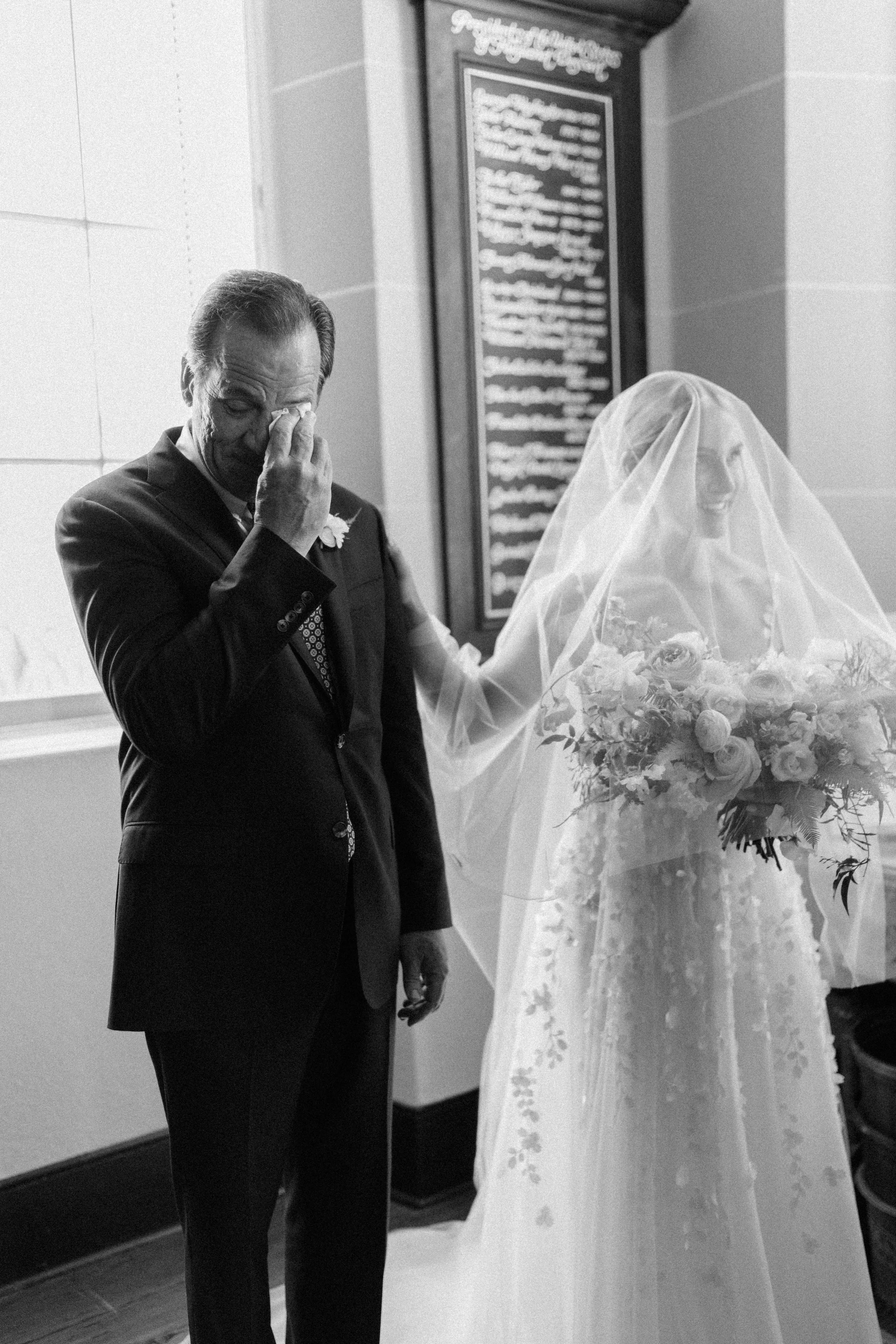
Film during a bright ceremony.
Digital during a fast first dance.
Hybrid coverage isn’t about indecision.
It’s about knowing when each medium performs best.
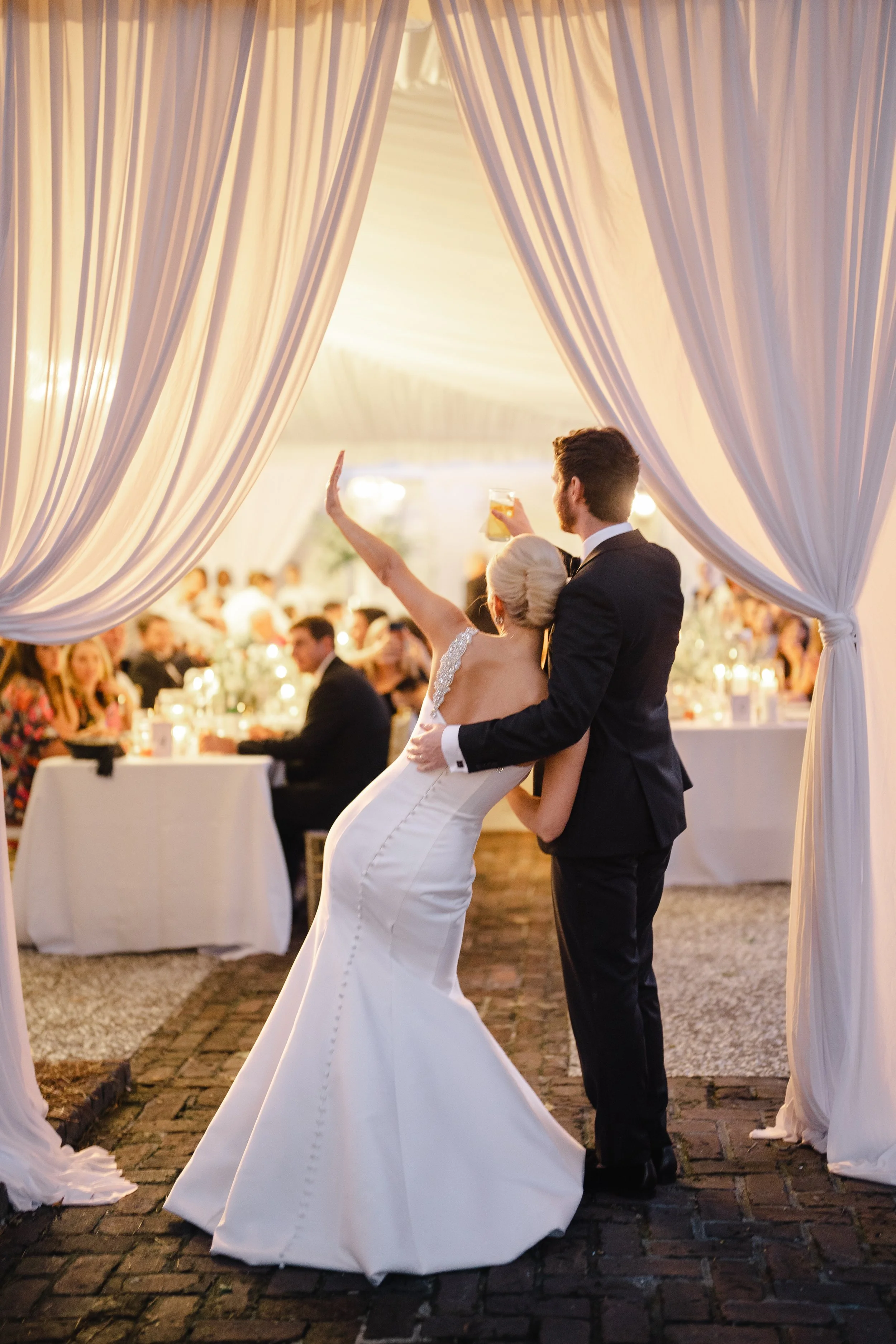
How I Approach Film and Digital at Weddings
For weddings, I photograph in a hybrid format because the environment demands it.
Medium format film is used intentionally during:
• Daylight ceremonies
• Portrait sessions
• Quiet, emotional moments
• Architectural compositions
Digital is incorporated during:
• Receptions
• Low-light transitions
• Fast-paced movement
• High-energy dance floors
The goal is not to prioritize one medium over the other. It is to protect the integrity of the day — visually and emotionally.
Film provides depth and softness.
Digital provides adaptability and security.
Together, they create a gallery that feels cohesive, elevated, and complete.
Questions Couples Should Ask Before Booking
Instead of asking “Do you shoot film?” consider asking:
• When do you choose to use film during the day?
• How do you handle low-light receptions?
• Can I see a full wedding gallery in both daylight and reception lighting?
• How do you ensure the final gallery feels cohesive between formats?
The medium matters.
But understanding light matters more.
So… Is Film Better for Weddings?
Film is not better.
It is different.
Charleston’s light and architecture make it particularly beautiful here. That’s one reason the fine art wedding photography community in Charleston continues to value it.
At the same time, digital technology ensures adaptability, precision, and security in unpredictable conditions.
The most thoughtful wedding coverage is not film versus digital.
It’s knowing how to use both with intention.
Choosing between film and digital wedding photography isn’t about trend or prestige. It’s about understanding how each medium interprets light, emotion, and atmosphere. The most meaningful wedding galleries aren’t defined by the tool used to create them, but by the intention behind it. When film and digital are used thoughtfully, the result is imagery that feels cohesive, dimensional, and enduring — photographs that preserve not just how your wedding looked, but how it felt.
Frequently Asked Questions
-
Film can involve additional cost due to materials and processing, but many photographers incorporate it into hybrid coverage without requiring couples to choose one exclusively.
-
Most couples can feel the difference more than they can technically identify it. Film often feels softer and more dimensional, while digital appears crisp and immediate.
-
The medium matters less than the photographer’s understanding of light, composition, and storytelling.