

How Many Hours of Wedding Photography Do You Really Need?
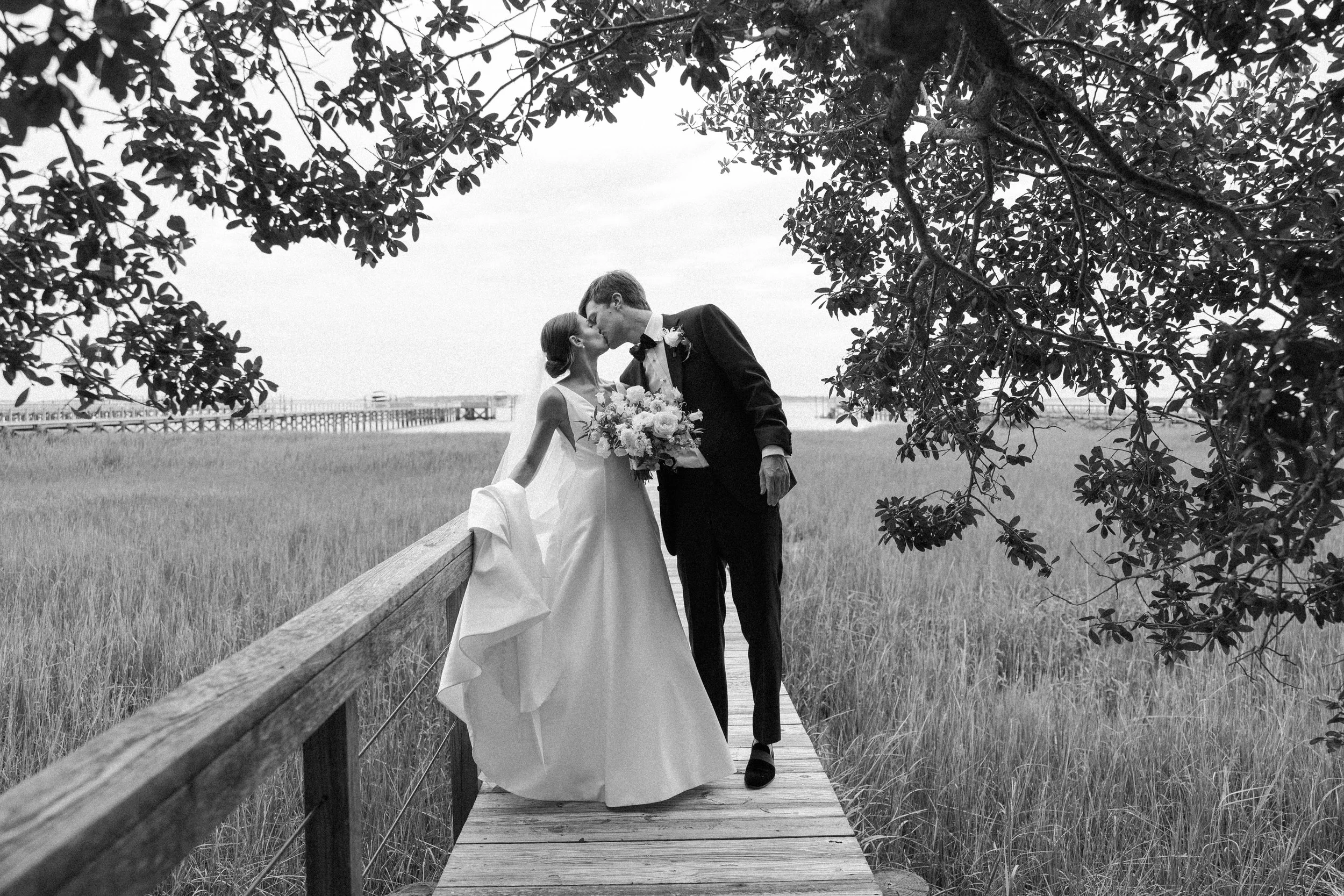
This is one of the most common questions couples ask — and it’s an important one.
Wedding photography isn’t just about coverage. It’s about protecting the pace of your day. The rhythm. The transitions. The space between moments.
There isn’t a one-size-fits-all answer, but there is a way to think through what makes sense for your celebration.
Here’s how I typically guide couples through it.
8 Hours of Wedding Photography
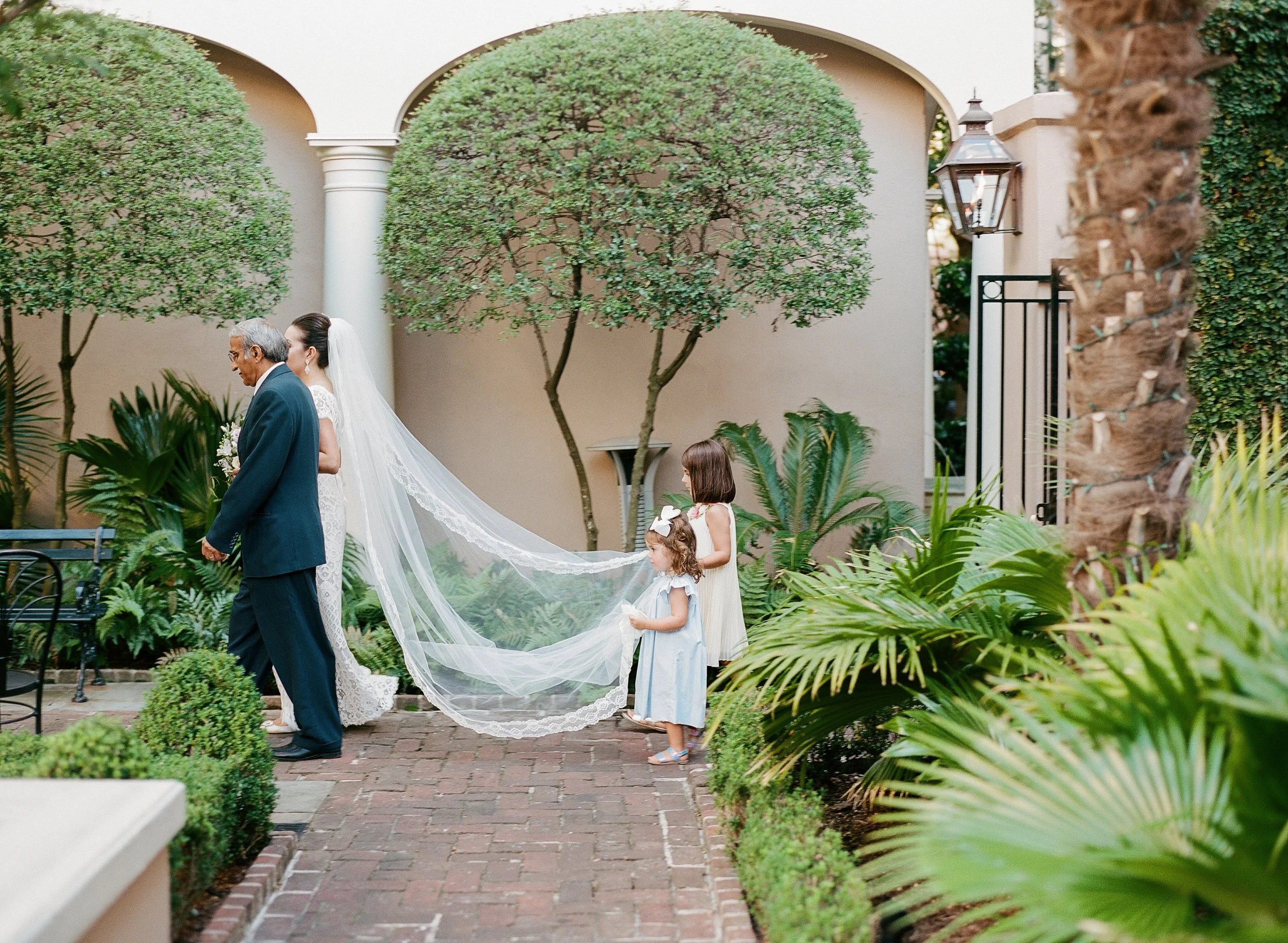
Eight hours can work beautifully for:
• Intimate weddings
• Single-location venues
• Streamlined timelines
• Couples who don’t prioritize extended getting-ready coverage
A 6-hour day often includes:
• Final getting-ready moments
• Ceremony
• Family portraits
• Wedding party portraits
• Couple portraits
• Early reception highlights
Eight hours is efficient. It tells the core story.
But it does require intention. Transitions move quickly. Portrait time is more structured. Sunset may need to be planned carefully.
Eight hours works best when the day is thoughtfully streamlined.
10 Hours of Wedding Photography
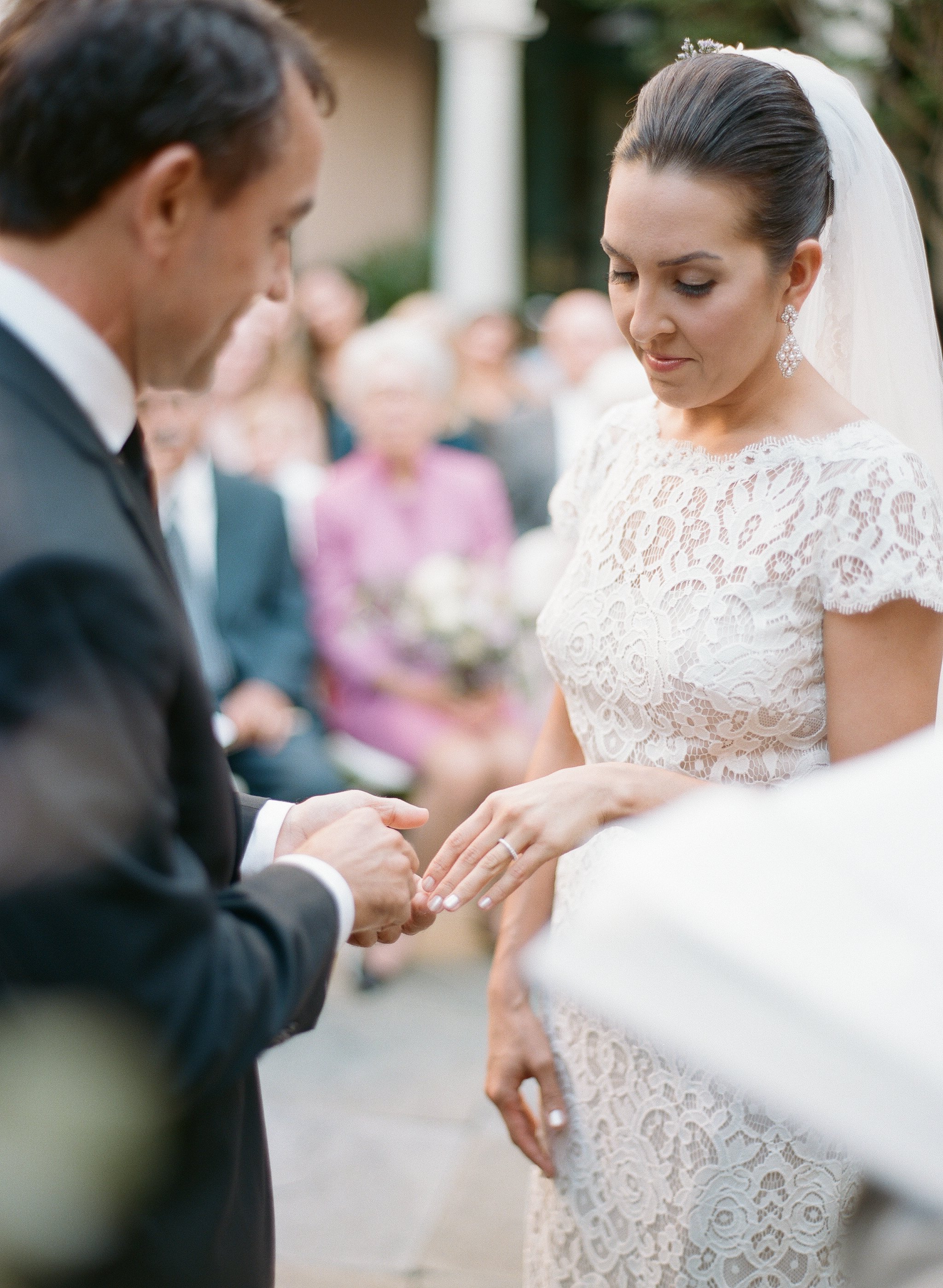
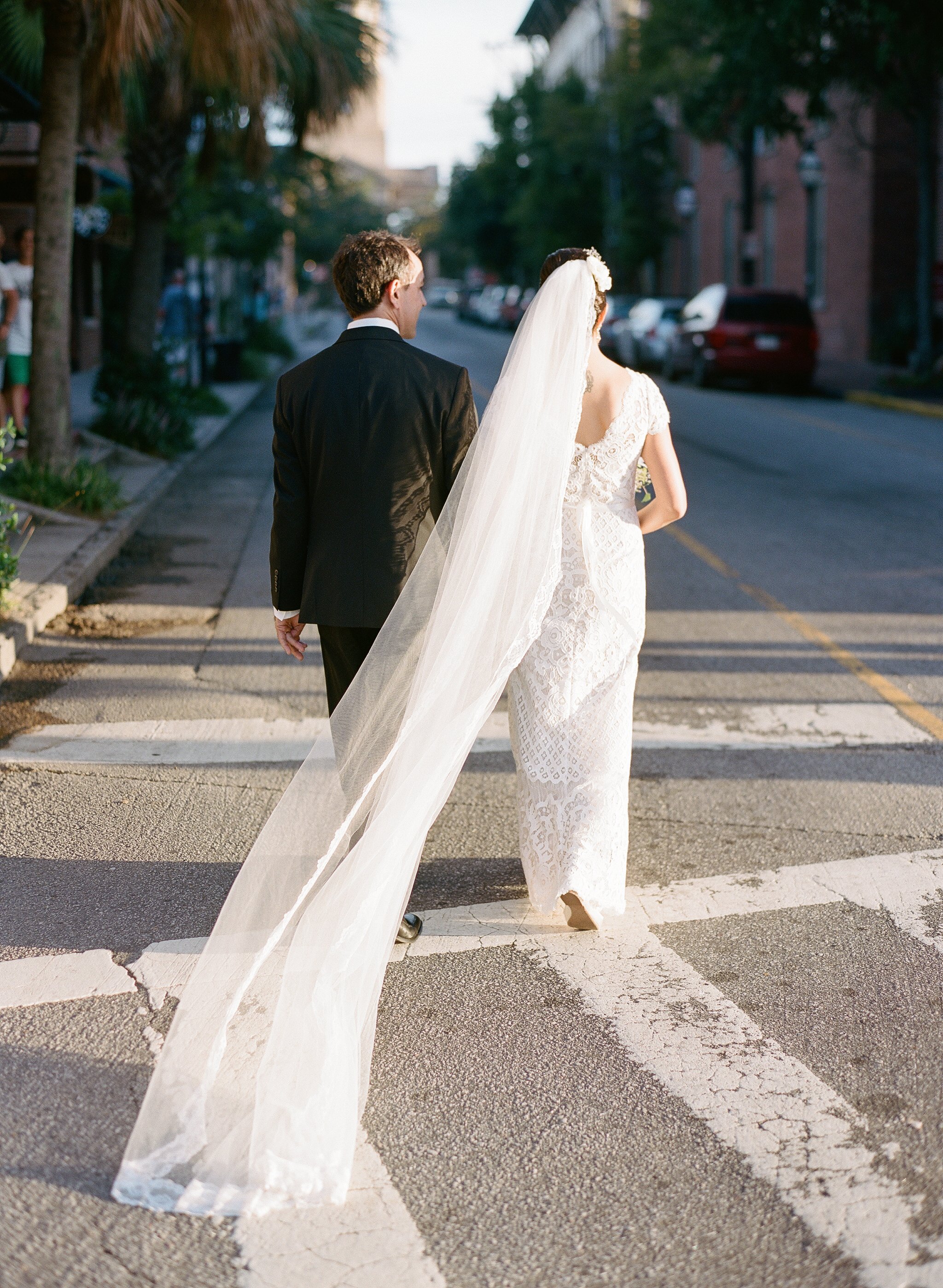
Ten hours is often the sweet spot.
This allows for:
• Getting ready coverage with breathing room
• Ceremony
• Full portrait time
• Sunset portraits
• Reception coverage into open dancing
With ten hours, the day feels balanced. There’s space for moments to unfold naturally instead of feeling compressed.
You’re not watching the clock. You’re allowing the rhythm of the celebration to guide things.
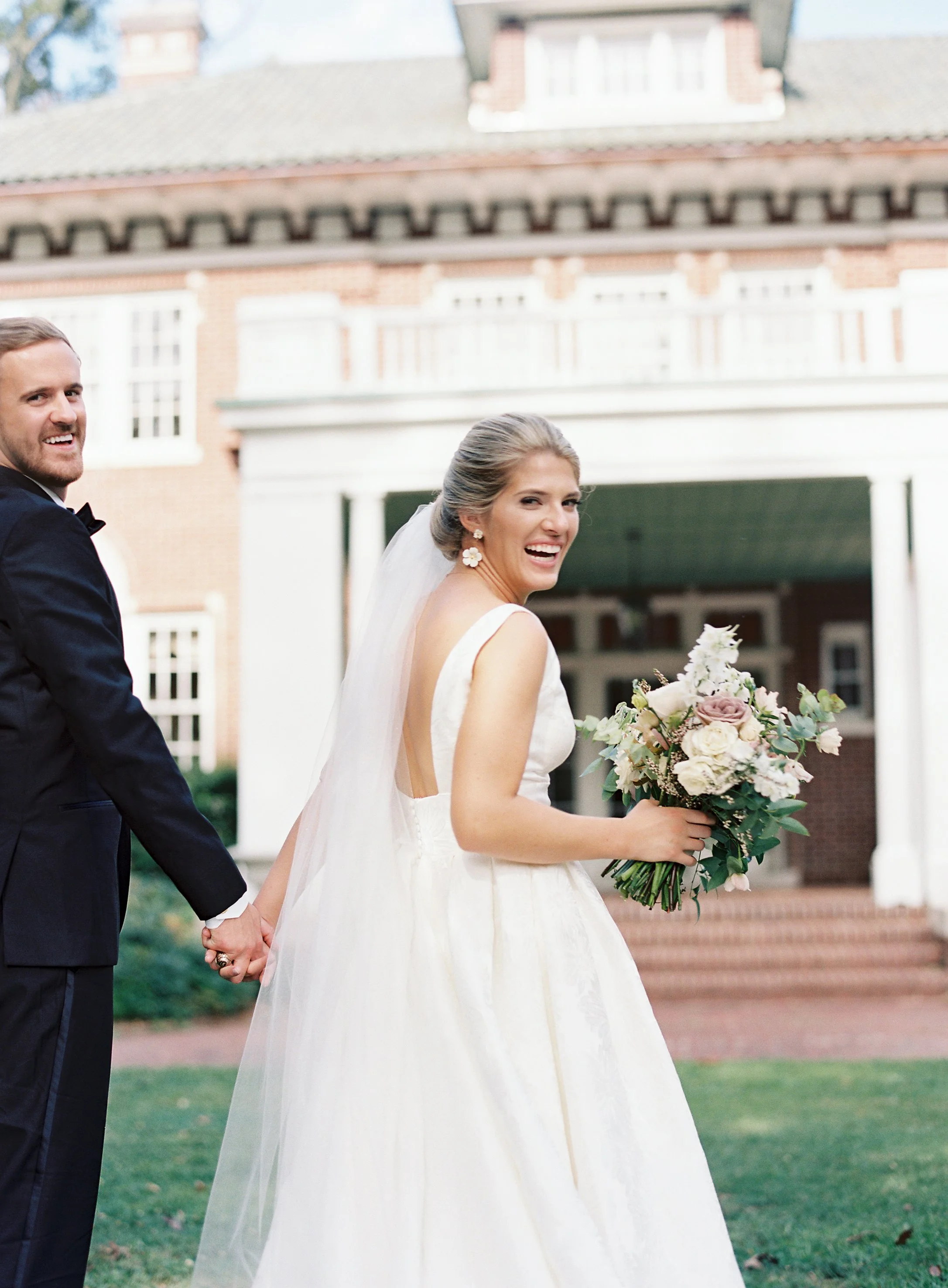
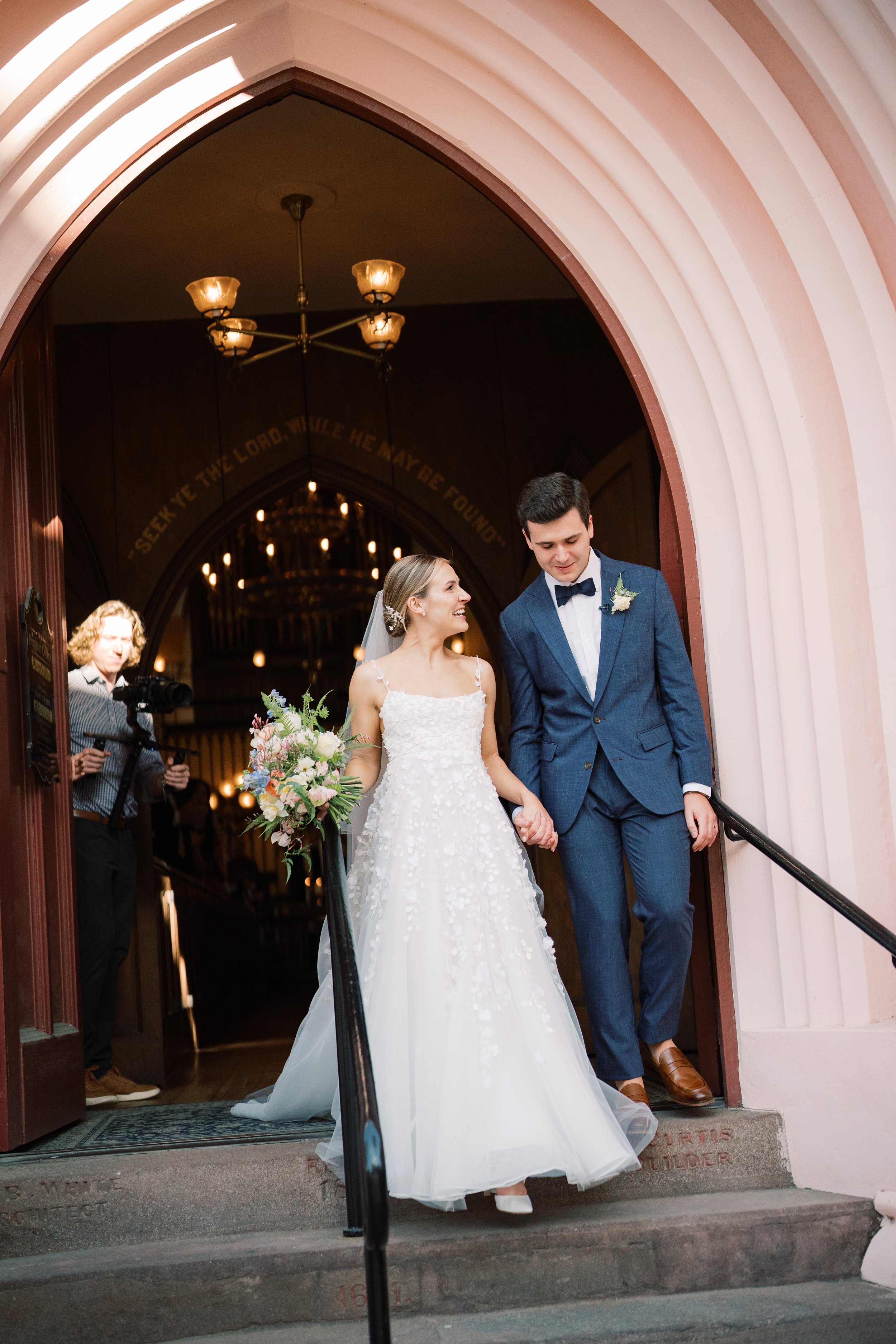
For most Charleston weddings with a traditional timeline, ten hours creates a comfortable flow that feels complete without feeling rushed.
12 Hours of Wedding Photography
Twelve hours creates room.
It’s ideal for:
• Multi-location weddings
• Catholic ceremonies
• Larger guest counts
• Destination celebrations
• Couples who want a relaxed, editorial pace
Twelve hours often includes:
• Both partners getting ready
• Extended detail coverage
• Ceremony
• Full portrait experience
• Golden hour without pressure
• Full reception storytelling
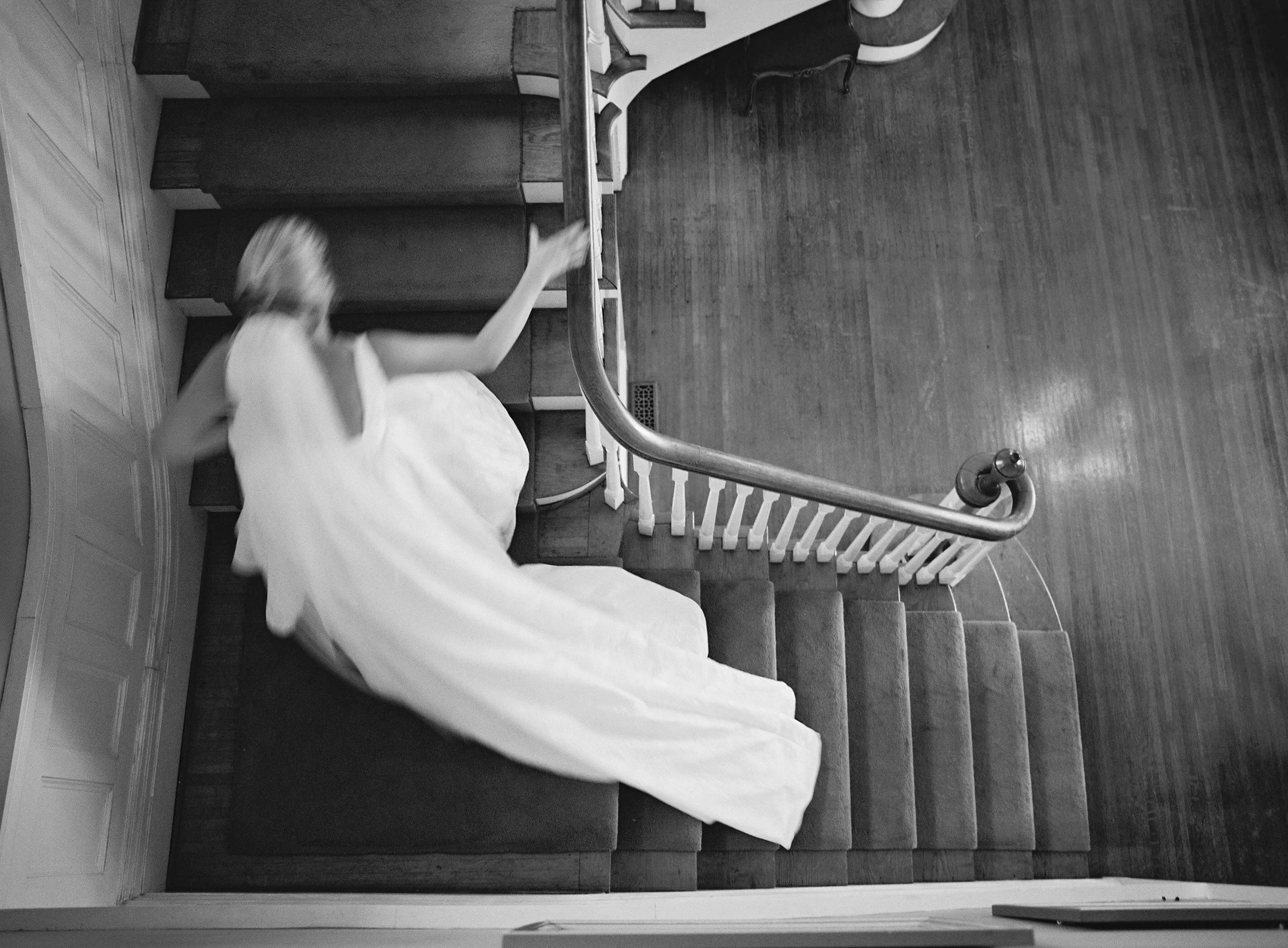
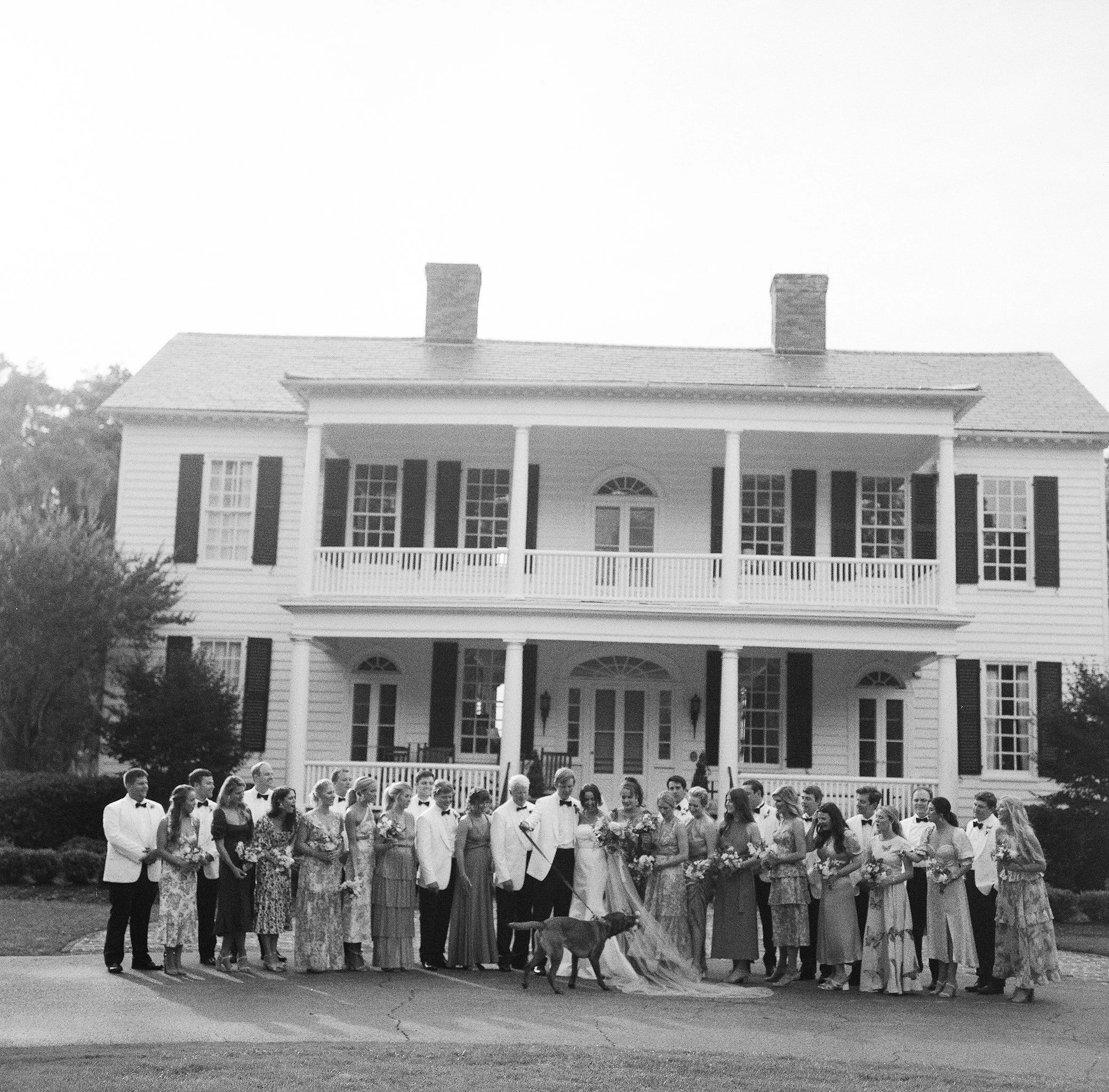
When there’s space in the timeline, everything feels more natural. Portraits feel less posed. Transitions feel seamless. The day breathes.
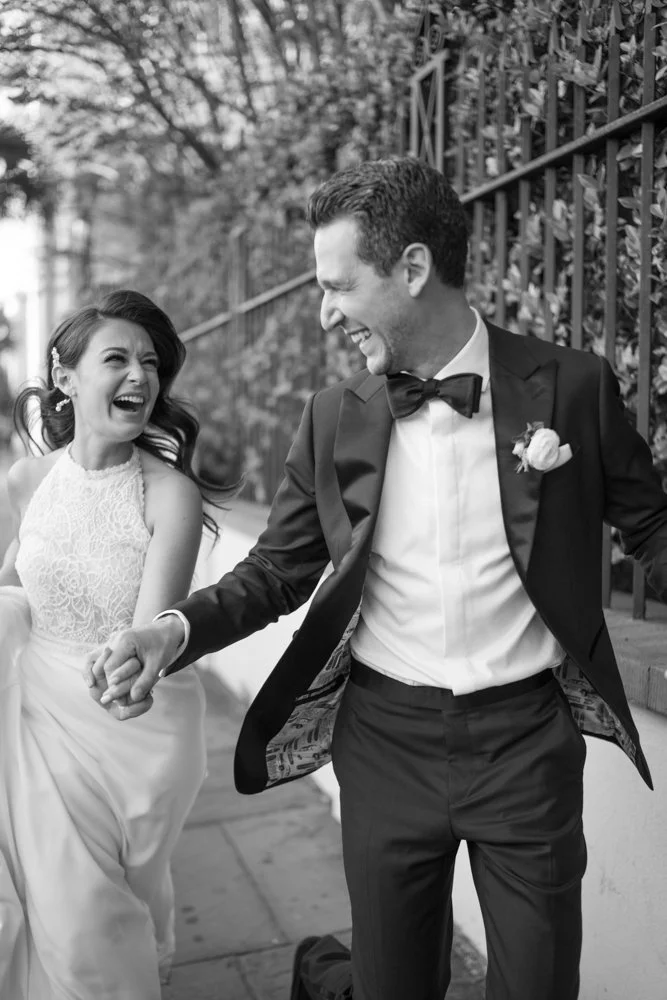
That breathing room shows in the final gallery.
What Actually Determines How Many Hours You Need?
Instead of asking, “How many hours should we book?”
Ask:
• Are we getting ready in separate locations?
• Is there travel time between venues?
• Do we want sunset portraits?
• Are we having a band or extended reception?
• Is this part of a multi-day celebration?
Coverage should support the structure of your day, not restrict it.
Destination Weddings and Multi-Day Celebrations
Destination weddings often unfold differently.
Events may span several days. Welcome dinners, rehearsal gatherings, late receptions, next-morning brunches.
In those cases, coverage becomes less about an hourly number and more about telling the full arc of the experience.
Multi-day coverage allows space for the in-between moments:
Morning coffee before guests arrive.
Rehearsal laughter.
Quiet anticipation before getting dressed.
The exhale after the ceremony.
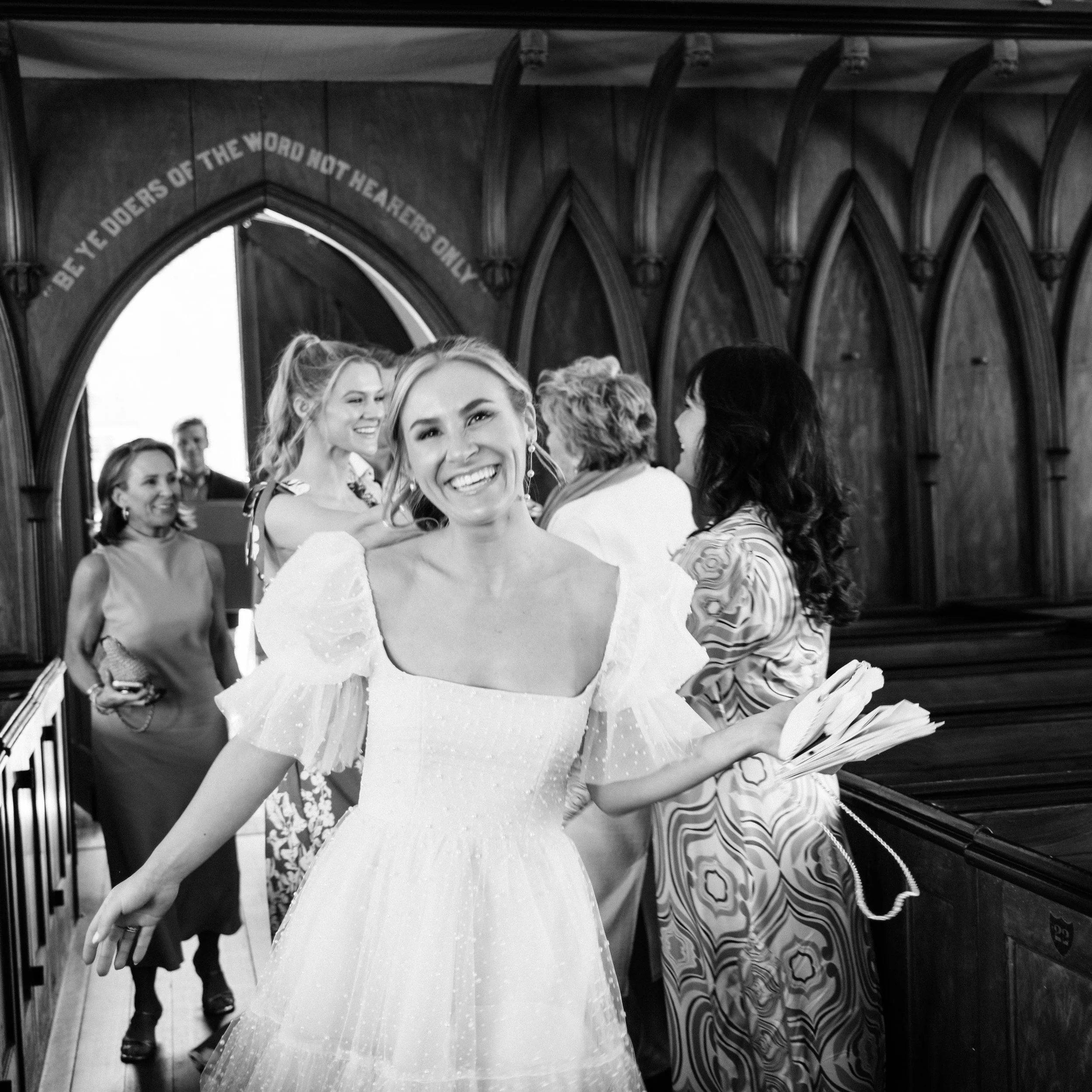
Those moments are just as meaningful as the formal ones.
So… How Many Hours Do You Actually Need?
If your wedding is:
Intimate and streamlined → 8 hours can work beautifully.
Traditional with a full reception → 10 hours often creates the ideal balance.
Multi-location or destination → 12+ hours allows the day to unfold naturally.
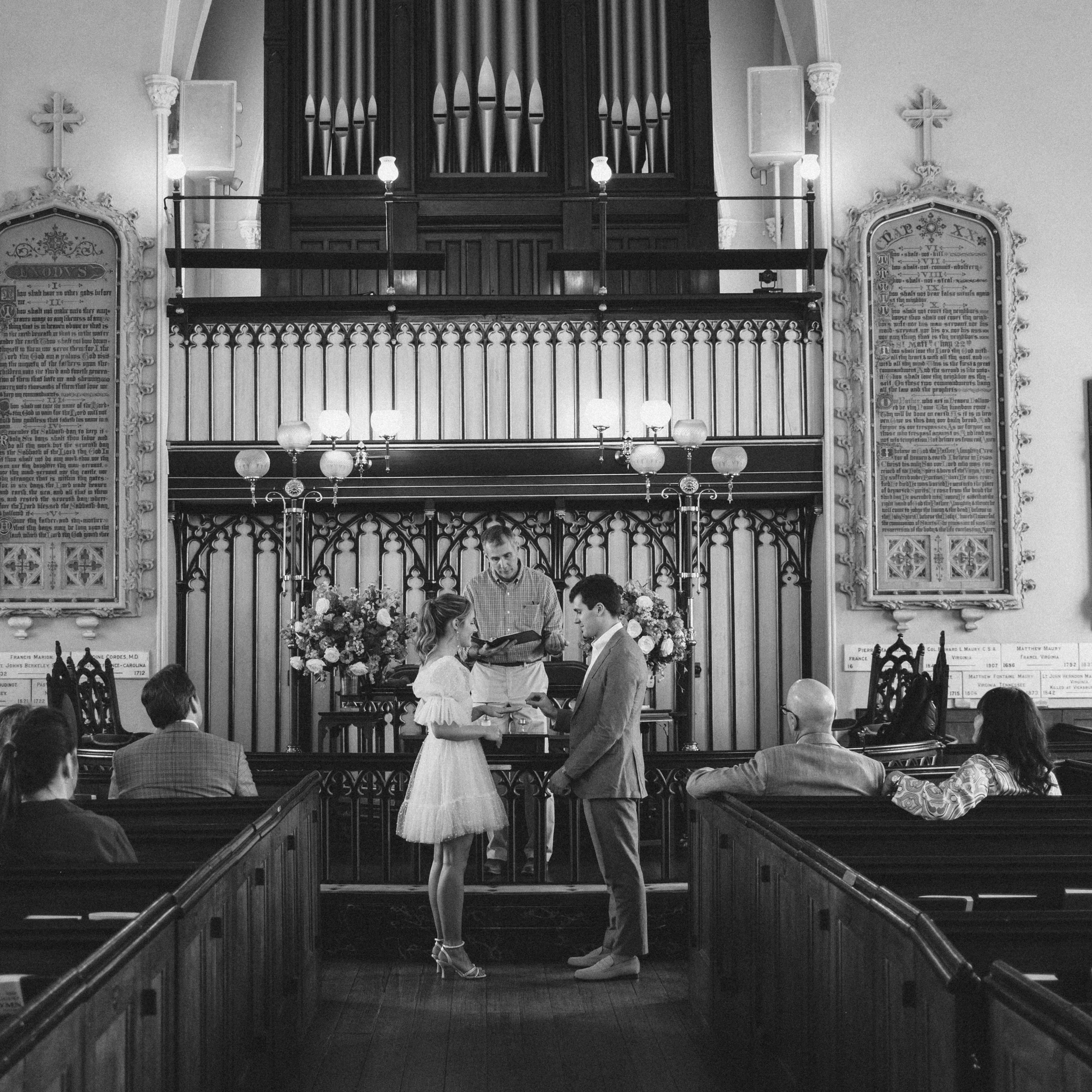
The right amount of coverage doesn’t just document your wedding — it protects the pace of it.
When your timeline feels supported, your images feel effortless.
If you’re unsure what makes sense for your celebration, I’m always happy to review your tentative timeline and help you decide.