

Charleston Film Wedding Photographer
A Guide to Fine Art Wedding Photography on Film
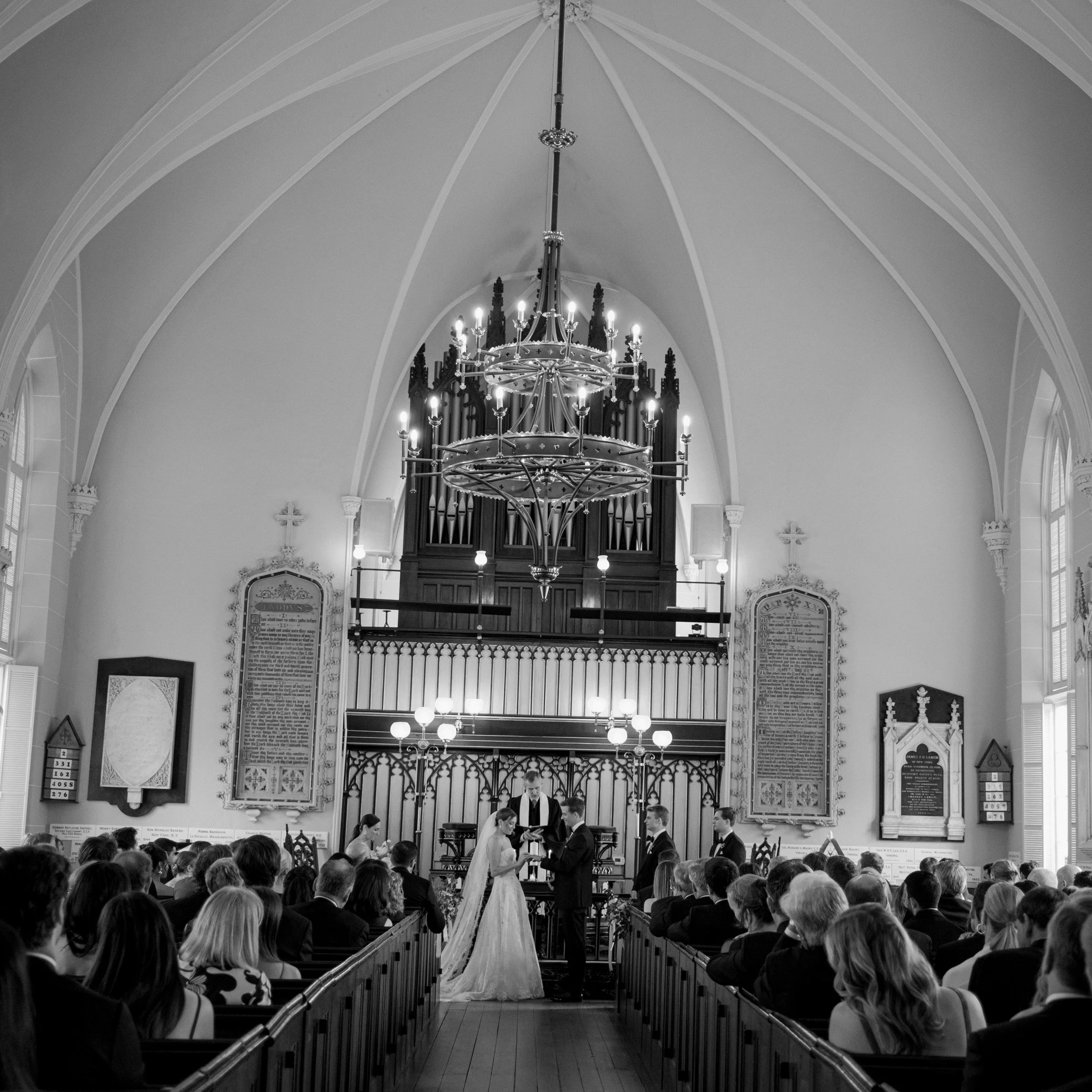
There’s a certain way a wedding feels when you’re fully in it — when the day slows down, light moves softly through the space, and nothing feels forced or rushed.
That’s what I’m always paying attention to.
I photograph weddings using both medium format film and digital, choosing the format based on what the moment calls for. Film naturally draws me in first — not because it’s trendy, but because of the way it holds light, softness, and emotion in a way that feels true to the experience.
But more than the medium, it’s about how the day is approached.
My work is rooted in observation. I’m not looking for perfect poses or overly directed moments, but for what happens in between — when you’re not thinking about being photographed, when everything feels natural, and you’re simply present with each other.
That’s where the images come from.
The result is a blend of film and digital photography that feels effortless, refined, and deeply connected to how the day actually unfolded.
Film is simply the tool — the intention behind it is what matters most.
If this approach resonates with you, you can explore full weddings here:
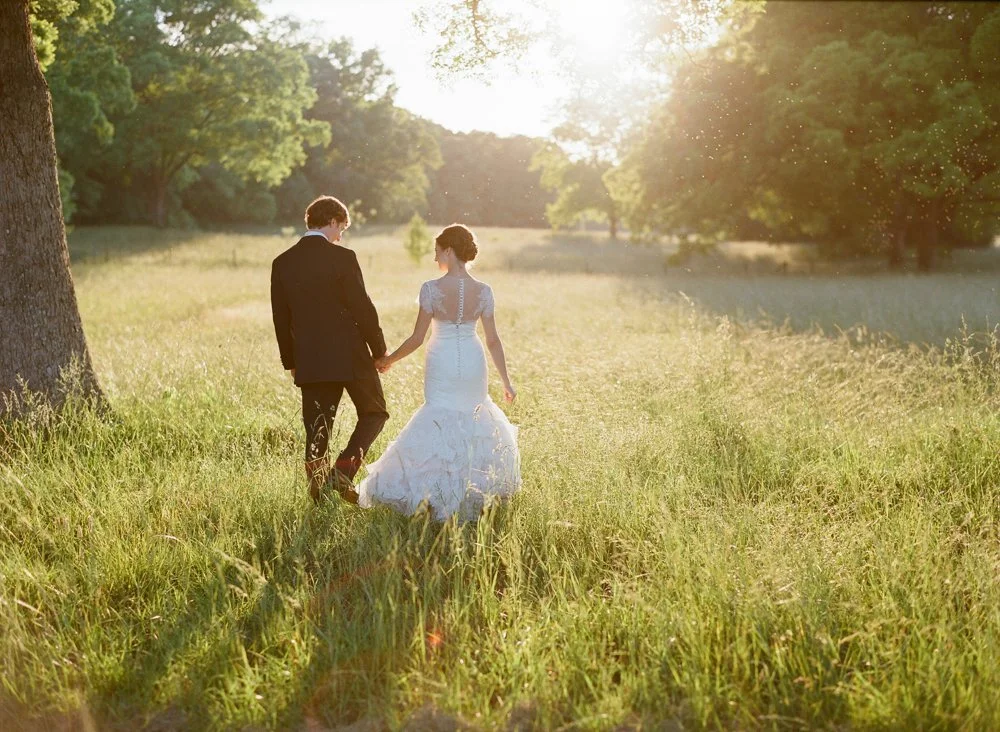
What Couples Really Want to Know About Film Wedding Photography
When couples reach out, the questions are often the same:
• What does film wedding photography actually mean?
• Is it worth it?
• Is it just an aesthetic?
• How many images will we receive?
• Will you miss moments while shooting film?
These are thoughtful questions. They are asked by couples who care about what their wedding will look like twenty or thirty years from now, not just on Instagram next month.
If you are just getting started researching wedding photographers in Charleston or narrowing down options, understanding how film works will help you make a confident, informed decision.
What Film Wedding Photography Actually Is
Film is not a preset.
Film is a physical negative. Light hits it. It is developed professionally. It is scanned at high resolution. It becomes your image.
Each frame carries weight. Each exposure is deliberate.
Medium format film produces a significantly larger negative than standard 35mm photography. That larger surface area allows for greater detail, smoother tonal transitions, and a more natural rendering of depth. The result is imagery that feels dimensional without appearing artificially sharpened or heavily processed.
When comparing wedding photographers in Charleston, many couples do not realize how different true medium format film wedding photography is from digital files adjusted to mimic film tones. Film responds organically to light, which is particularly important in Charleston’s varied environments — from bright waterfront ceremonies to candlelit historic interiors.
The distinction is material, not stylistic.
It is chemistry, not nostalgia.
Hybrid Wedding Photography in Charleston
Most luxury weddings benefit from hybrid coverage — especially in Charleston, where coastal light, historic architecture, and unpredictable weather can shift throughout the day.
As a Charleston wedding photographer working in both analog film and digital formats, I blend the two with intention. Hybrid wedding photography in Charleston is not about following a trend. It is about using the right medium at the right moment so your wedding is documented authentically, consistently, and with technical precision.
Film is used where it performs best:
• Portraits
• Ceremony
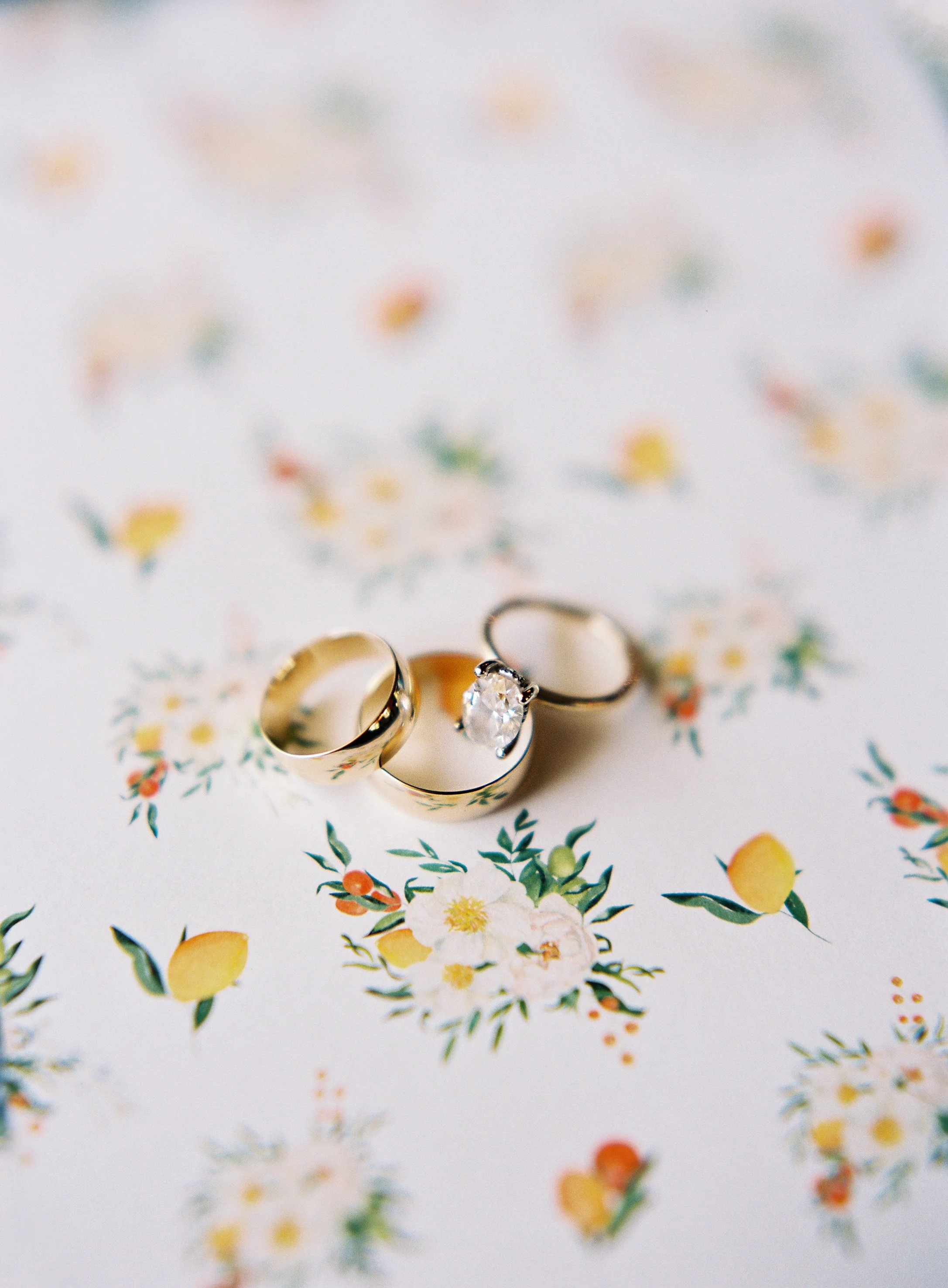
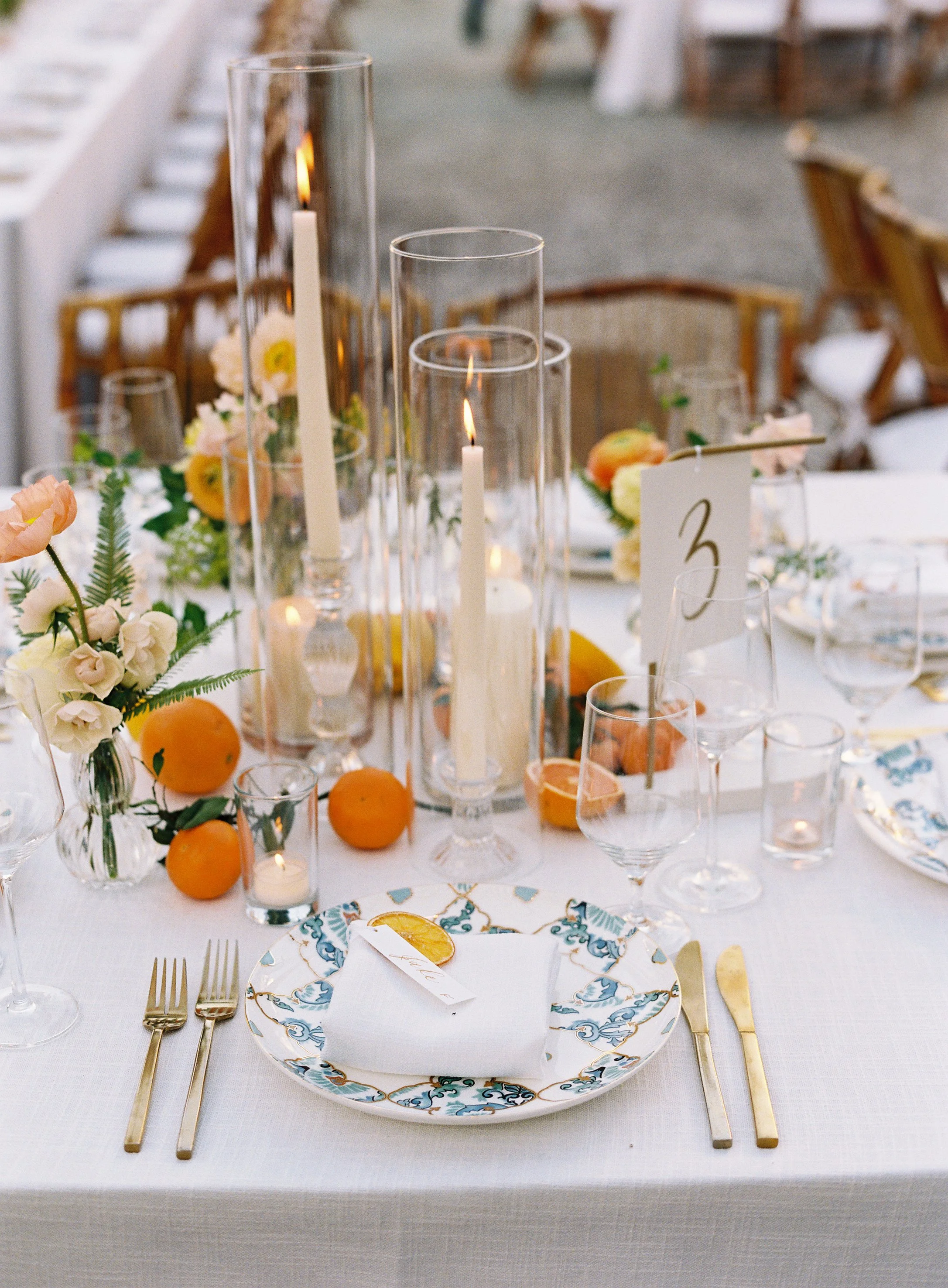
• Wedding details
• Golden hour
• Emotional transitions
Digital supports:
• Low-light receptions
• Fast movement
• Rapid timeline shifts
• High-energy dance floors
Film rewards intention.
Digital supports momentum.
Together, they create balance.
Analog film captures tonal depth, refined highlight control, and organic color transitions that pair beautifully with Charleston’s waterfront glare, oak-lined shade, and candlelit interiors. Digital responds quickly when the pace accelerates — particularly during documentary coverage of the reception or compressed portions of the timeline.
For couples researching wedding photographers in Charleston or carefully reviewing photographer photos across full wedding galleries, hybrid coverage ensures nothing feels sacrificed. You receive the dimensional quality of medium format film where it elevates the imagery most, and the flexibility of digital where speed and adaptability matter.
The final gallery feels unified. Not divided by format. Not defined by trend. Just consistent, refined, and emotionally true to the day.
Among wedding photographers in SC, not every photographer works fluently in both mediums. Hybrid wedding photography requires confidence with analog film exposure, professional lab scanning, digital metering, and lighting strategy across varied environments. When executed well, the format disappears — and the experience remains.
You won’t think about the camera used.
You’ll remember how it felt.
Why Film Feels Different (And Why You Can’t Quite Explain It)
If you are comparing wedding photographers in Charleston, SC, this distinction matters more than you may realize.
Film responds to light differently. Whites hold detail. Skin tones remain natural. Shadows feel dimensional rather than flat.
In Charleston, where waterfront glare, humid air, oak-lined shade, historic brick, and candlelit interiors can all exist within a single wedding day, that responsiveness becomes essential. Digital can approximate the look, but it cannot replicate the physical properties of analog film.
The difference is not stylistic.
It is chemical.
For couples drawn to timeless wedding photography, that reliability builds confidence. Your images are not dependent on heavy editing or trend-based presets. They are shaped by exposure, timing, and an understanding of light.
Medium format film compresses highlights gracefully, allowing white dresses to maintain structure even in bright coastal conditions. Skin tones transition smoothly in mixed lighting environments. In historic Charleston wedding venues where plaster walls, aged brick, and candlelight coexist, film preserves nuance without appearing artificial or over-processed.
When reviewing photographer photos online, especially across multiple wedding photographers in Charleston, pay attention to tonal consistency. Notice whether skin tones shift from room to room. Notice how highlights behave in direct sun. Notice how shadows are rendered indoors.
Film maintains visual consistency from beginning to end, even as location, architecture, and light evolve throughout the day.
If you would like a deeper comparison of film wedding photography and digital coverage, read:
How Many Images Will We Receive?
I guarantee a minimum of 75 images per hour of coverage.
Most weddings exceed that depending on guest count and timeline flow. An 8-hour wedding in Charleston typically produces between 1,200 and 1,800 final images. Approximately 300 to 400 of those are photographed on medium format or 35mm film.
When you are scanning photographer photos, look for full galleries that include midday, indoor, and reception lighting, not only portraits. Volume can feel impressive, but what matters more is coverage and consistency across the entire wedding day.
Your gallery should include:
• Every major moment
• Emotional nuance
• The design you invested in
• Your guests
• The atmosphere
Not filler. Not overshooting. Not repetition.
How Much of the Wedding Day Is Posed?
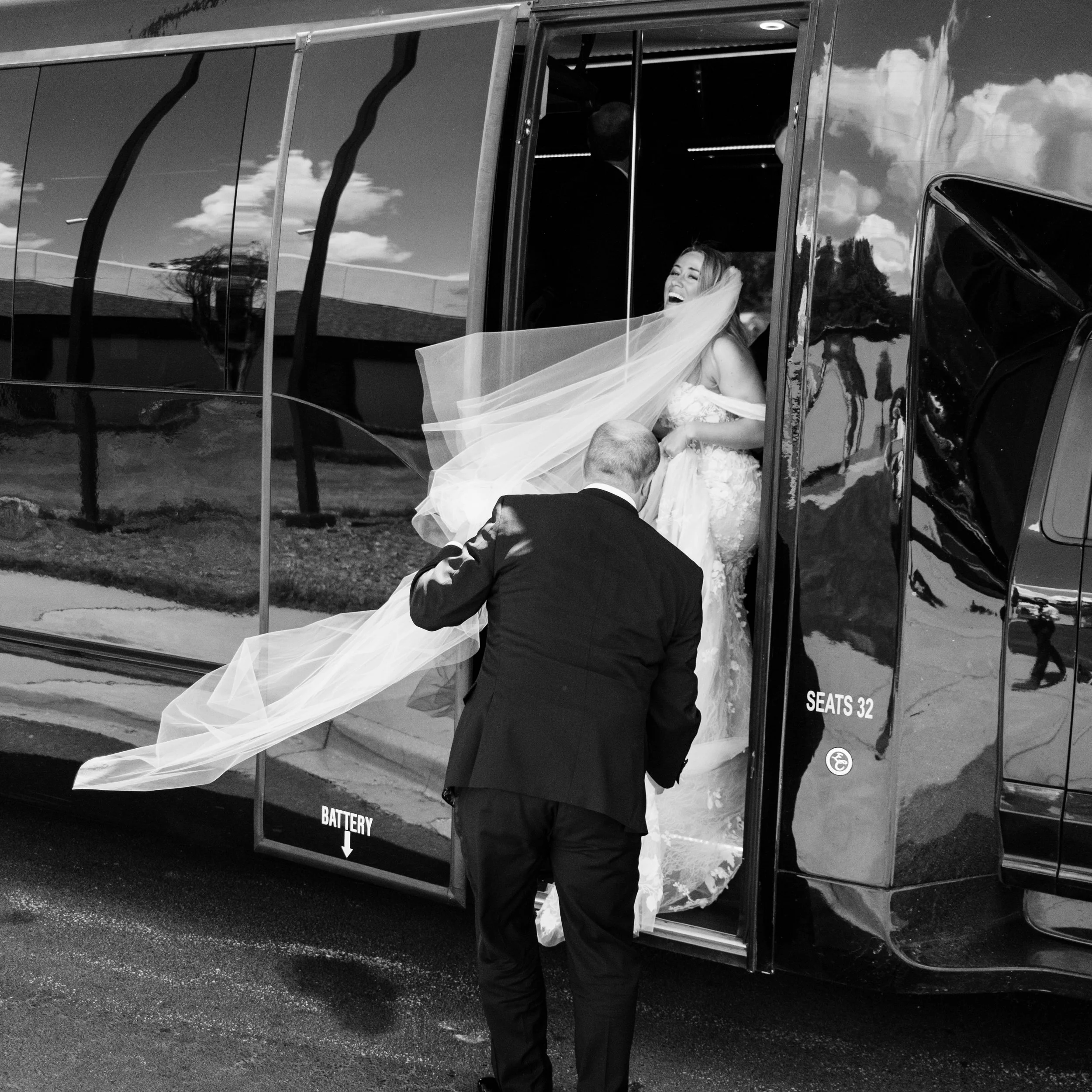
Roughly 80 to 90 percent of your gallery is candid.
Family portraits are structured for efficiency. Couple portraits are gently guided to protect light and composition. The remainder unfolds naturally.
When reviewing photographer photos from different Charleston wedding photographers, look for consistency in skin tone, light handling, and emotional coverage across an entire wedding day.
I don’t script emotion.
I do protect composition.
If you want more clarity around how that differs from traditional or purely documentary photography, this may help:
Lighting Strategy (This Is Where Things Get Interesting)
Light defines everything.
Film thrives in:
• Open shade
• Directional window light
• Late afternoon sun
• Warm candlelight
It struggles in:
• Harsh midday overhead light
• Heavy colored uplighting
• Windowless reception spaces
This does not limit your wedding. It informs your timeline.
Couples who receive the strongest galleries:
• Protect portrait time
• Consider ceremony direction
• Trust timing recommendations
• Avoid compressing the entire day into midday hours
If you are planning in Charleston, seasonal light shifts dramatically. Summer sun is intense. Winter light softens earlier. Coastal wind influences veil movement and shadow direction.
Experienced Charleston wedding photographers think about these factors long before the wedding day arrives.
Charleston Wedding Venues and Film Photography
Venue selection matters.
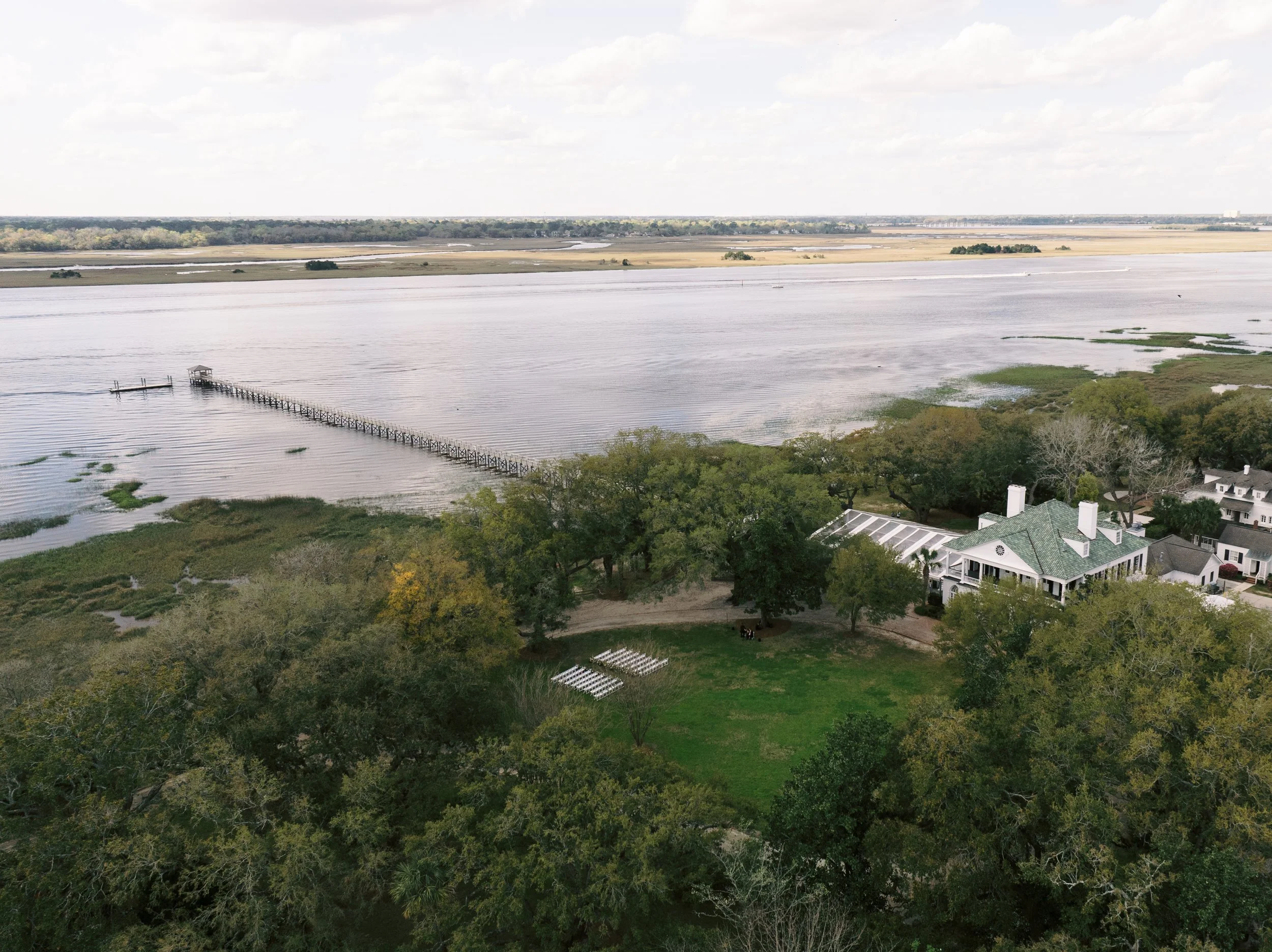
Charleston has become one of the most sought-after wedding destinations in the Southeast. Historic architecture, waterfront estates, private clubs, and preserved 18th-century homes create a setting unlike any other. Wedding photographers in Charleston must understand how to photograph humidity, reflective water light, oak canopy shade, and candlelit interiors consistently across seasons.
Charleston wedding venues that consistently photograph beautifully on film include:
• Lowndes Grove
• Middleton Place
• Kiawah Island venues
• William Aiken House
• The Gibbes Museum of Art
• Governor Thomas Bennett House
• Gadsden House
• Twenty-One Magazine
These venues offer architectural texture, neutral interiors, and directional light.
When researching photographer photos in Charleston, couples often overlook how the venue and medium interact. Film responds differently to white plaster, waterfront reflections, and candlelit ballrooms.
Understanding that relationship creates stronger imagery.
If you’re still choosing a venue, explore my guide to Charleston wedding venues that perform exceptionally well for film wedding photography:
Wedding Photographers in SC and Destination Experience
Couples searching for a luxury wedding photographer often assume that if someone’s work looks beautiful in one location, it will translate seamlessly everywhere. The truth is, light behaves differently in every setting. Coastal Charleston estates photograph differently than inland countryside venues. Private club ballrooms require a different approach than open-air tented celebrations.
That’s why experience matters.
While based in Charleston, I photograph weddings throughout South Carolina and established luxury destinations nationwide and internationally. From humid waterfront ceremonies to mountain light and historic interiors, every setting demands a different technical approach.
In addition to Charleston and the South Carolina coast, I have photographed weddings in:
• Upstate South Carolina
• Charlotte & Raleigh, NC
• The Highlands, NC
• Sea Island & Atlanta, GA
• Nantucket
• The Hamptons & Montauk
• Washington, DC
• Telluride, Colorado
• Kentucky (Horse Country)
• Coastal California (including multiple locations statewide)
• Jamaica
• Hyères, France (Provence & the Côte d’Azur)
These destination weddings have taken place in private estates, preserved historic properties, coastal compounds, vineyard settings, and invitation-only venues where discretion, calm direction, and technical precision are equally important.
Whether documenting a Charleston ballroom, a tented estate in the Hamptons, or a coastal celebration along the Mediterranean coast, the approach remains consistent. Read the light first. Adjust intentionally. Protect natural skin tones. Preserve architectural integrity. Deliver a cohesive story from beginning to end.
For couples planning destination weddings in Europe, including the South of France, Italy, Spain, or other Mediterranean locations, experience photographing varied coastal environments translates seamlessly. European light is later, softer, and often more directional. Stone architecture reflects differently from Lowcountry plaster. Sea air shifts color temperature. Wind affects fabric and movement.
A seasoned destination wedding photographer anticipates these variables rather than reacting to them.
The goal is not to impose a style on a location.
It is to photograph the location honestly while maintaining tonal consistency across your full gallery.
Every location is different.
Light is not.
Experience travels.
Questions to Ask When Comparing Wedding Photographers
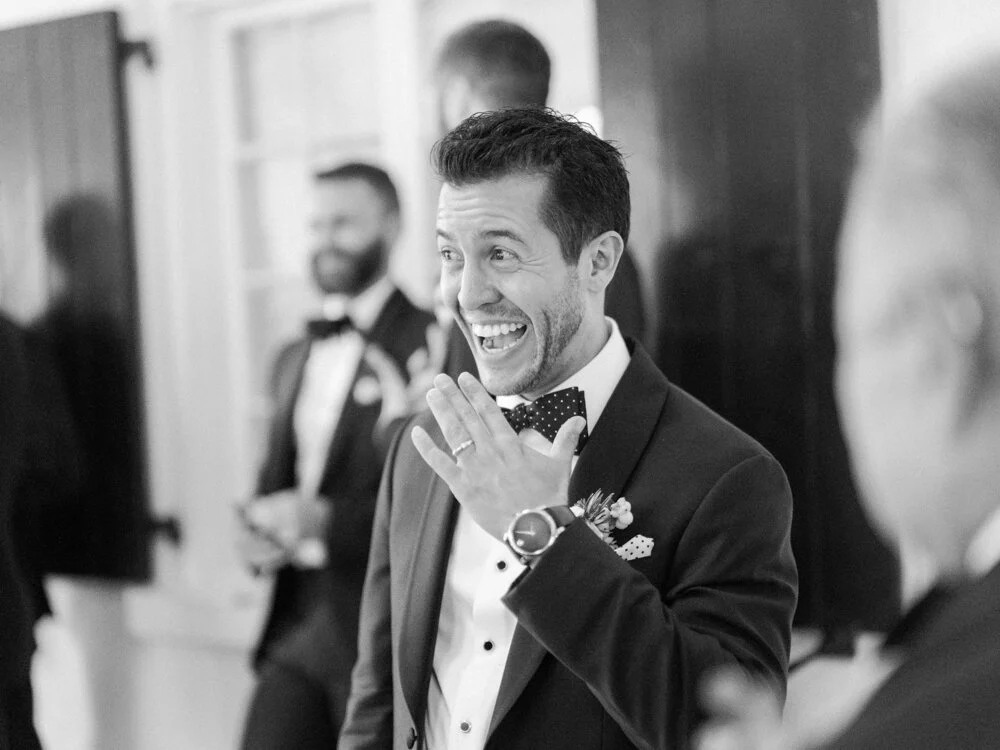
When you’re comparing wedding photographers, don’t just ask, “What’s your style?”
Ask better questions.
Can I see a full wedding gallery?
Instagram is a highlight reel. A full gallery shows consistency, coverage, and how a photographer handles every lighting situation — not just the golden hour portraits.
How do you approach lighting throughout the day?
Do they adapt to difficult light? Do they bring lighting for receptions? Do they think about ceremony direction and timing?
How much of the gallery is film versus digital?
If you’re drawn to film, make sure you’re actually getting film — not a preset designed to mimic it.
How hands-on are you during portraits?
Do they heavily pose? Do they step back entirely? Somewhere in between?
What does your delivery typically look like?
How many images? How are they edited? Is the gallery cohesive from start to finish?
How do you handle unexpected shifts — weather, timeline changes, low light?
A calm, experienced photographer will answer this confidently.
These questions will tell you more than any aesthetic label ever could.
You’re not just hiring a look.
You’re hiring judgment.
Who This Approach Is Right For
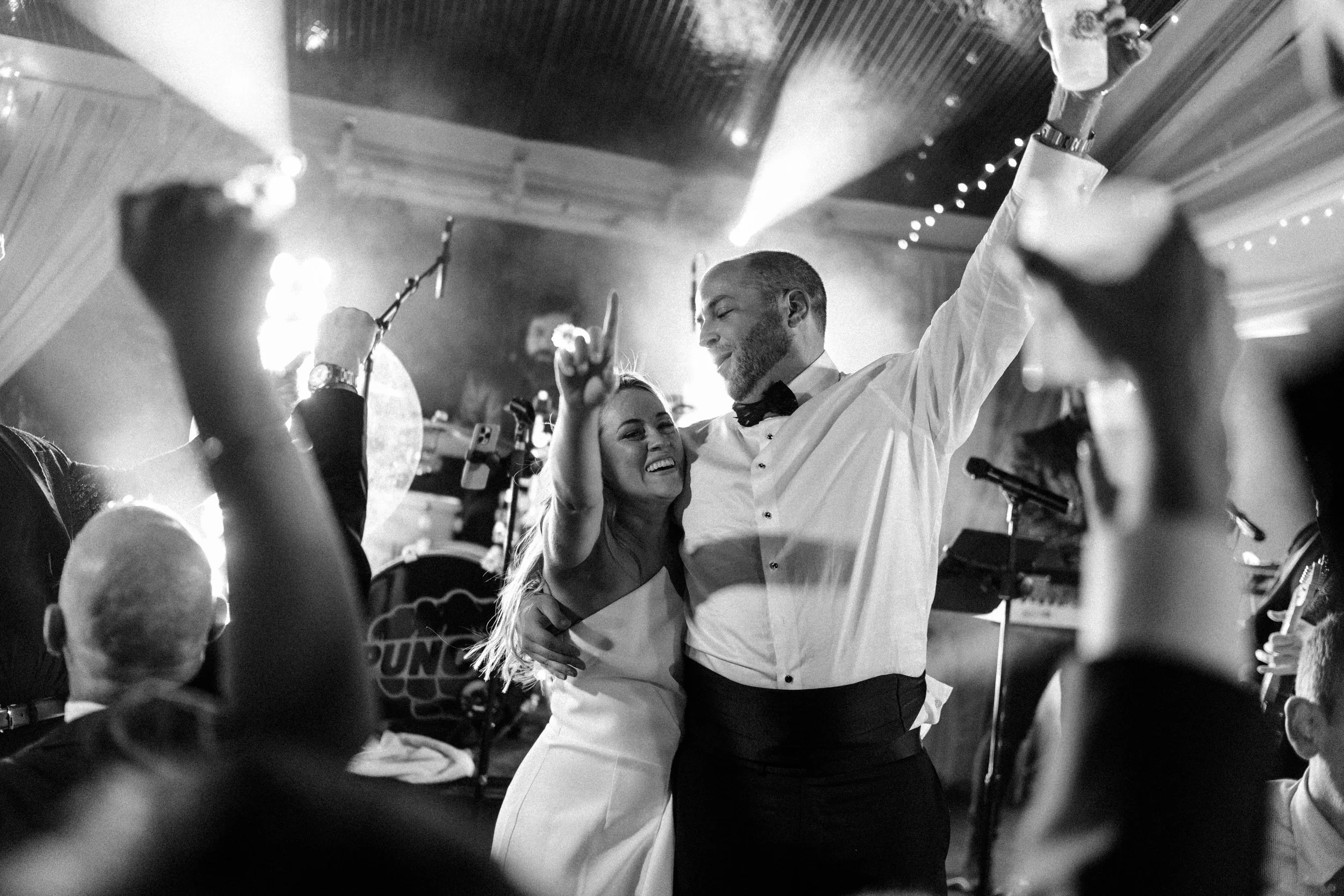
As a Charleston photographer specializing in fine art film wedding photography, this approach resonates with couples who:
• Care deeply about light and how it shapes an image
• Value atmosphere, architecture, and thoughtful design
• Appreciate travel, culture, and meaningful locations
• Prefer timeless imagery over fast-moving trends
• Trust professional guidance throughout the wedding day
Couples planning a Charleston wedding often begin with aesthetic preference. What ultimately determines satisfaction, however, is consistency across an entire wedding day. If you are drawn to natural skin tones, cohesive galleries, and imagery that will feel relevant decades from now, this work is designed for you.
Film is intentional.
It is guided by light.
It becomes heirloom imagery.
My Philosophy on Wedding Days
Your wedding is not a styled shoot. It is a living, unfolding day filled with movement, emotion, and atmosphere.
As a fine art wedding photographer, my role is to document that day with clarity and restraint. Among wedding photographers in Charleston, approaches vary widely. Some direct heavily. Others remain fully hands-off. My work lives in the balance.
I move with intention.
I read the room.
I protect the flow so you stay fully present.
I offer guidance when it improves light, composition, or flow. I step back when a moment deserves space. The goal is not to manufacture perfection. It is to preserve memory.
When evaluating wedding photographers in Charleston, style is often the starting point. What ultimately defines excellence is consistency. The way a photographer handles light. The way they move through a timeline. The way they anticipate emotion without interrupting it.
Whether photographing an intimate Charleston ceremony or a destination celebration on the Mediterranean coast, the philosophy remains the same: thoughtful direction, natural movement, and imagery designed to endure.
The goal isn’t trends. It’s legacy.
Investment & Pricing
Full Transparency.
When couples begin researching wedding photographers in Charleston, pricing can feel unclear. One photographer may start at one number, while another appears significantly higher. The difference is rarely arbitrary.
Wedding photography is both an artistic service and a production process. Especially when working with medium-format analog film, the investment reflects not only the number of coverage hours but also materials, technical fluency, and post-production expertise.
When comparing wedding photographers, pricing often reflects:
• Professional film stock
• Secure storage and transportation
• Lab development by professional film labs
• High-resolution drum or frontier scanning
• Careful color calibration and refinement
• Years of experience
• Ability to handle difficult lighting
• Consistency across full wedding galleries
• Calm direction under timeline pressure
• Technical fluency in multiple formats
• Archival workflow and delivery standards
Each roll is a physical object. Each frame is intentional. No overshooting. No fixing later.
Hybrid coverage also requires proficiency in both analog film and digital systems. Lighting equipment, backup camera bodies, calibrated monitors, insurance, archival storage, and secure gallery hosting all contribute to the final gallery you receive.
If you are reviewing photographer photos online and notice dramatic shifts in skin tone, highlight handling, or editing style from wedding to wedding, that inconsistency often points to rushed processing or inexperience.
True consistency requires time, precision, and technical understanding.
For couples who value heirloom imagery and long-term archival quality, film wedding photography aligns naturally with those priorities. Wedding photography is one of the only elements of your Charleston wedding that increases in emotional value over time.
Flowers fade. Music ends. The images remain.
Frequently Asked Questions About Hiring a Charleston Wedding Photographer
-
Film requires:
• Film stock
• Professional lab development
• High-resolution scanning
• Intentional exposureIt is both a material and artistic investment.
For couples who value heirloom imagery and tonal longevity, film aligns naturally with their priorities.
-
Yes. Especially for receptions and dark interiors. Even as a film-forward Charleston, SC wedding photographer, I bring professional lighting to preserve clean skin tones and dimensional light without overpowering the atmosphere you planned. When reviewing photographer photos, pay attention to the reception images. Strong work should hold up before sunset and after.
-
A rainy wedding day can feel cinematic in the best way. Soft skies reduce harsh contrast and allow film to render tones beautifully. Reflections and texture add dimension, especially in black and white. Weather becomes part of the story, not a disruption.
-
Sometimes yes. Sometimes no. A first look can protect portrait time and reduce timeline stress, especially in winter when light fades early. If you value sunset portraits and a relaxed pace, it can be beneficial. If you prefer the traditional aisle reveal, we can build the timeline around that instead.
-
No. Hybrid coverage ensures complete documentation. Digital supports speed and low light. Film is intentionally woven into the day. Missed moments are prevented by anticipation and experience, not by camera format.
-
Most Charleston weddings require 8 to 10 hours of coverage. Multiple locations, early ceremony times, and sunset portrait windows often influence this. As a Charleston, SC, wedding photographer, I build timelines around light first to protect the strongest imagery of the day.
-
Yes. Engagement sessions are available in Charleston and destination locations. From the French Quarter to waterfront settings, engagement sessions allow you to feel comfortable in front of the camera before the wedding day while creating imagery for save-the-dates and printed pieces.
-
Yes. While based in Charleston, I photograph weddings throughout South Carolina, nationally, and internationally. Experience across varied environments ensures consistency whether your celebration takes place in Charleston, the Hamptons, or along the Mediterranean coast.
-
Most couples book 12 to 18 months in advance for peak spring and fall dates. Charleston is a destination wedding market, and popular weekends book early. Once your venue is secured, it is wise to confirm photography availability.
Hiring a Charleston Wedding Photographer
Choosing a photographer is less about labels and more about consistency.
Look at full galleries.
Read how they speak.
Notice how their work makes you feel.
As a Charleston wedding photographer, I approach each celebration with editorial restraint and documentary awareness. I photograph full wedding days in Charleston, SC, and destination celebrations throughout the Southeast and internationally. Whether your wedding takes place at Lowndes Grove, William Aiken House, Middleton Place, Kiawah Island, or a private estate, the approach remains steady. Protect the light. Preserve natural skin tones. Document the day with intention.
Wedding collections begin at $10,000 and include 8 hours of coverage. Most Charleston weddings require eight to ten hours to document the full story seamlessly. Coverage is customized based on timeline, guest count, and level of film integration.
If you are comparing wedding photographers in Charleston and value cohesive galleries, refined light handling, and imagery that will feel relevant decades from now, this may be the right fit.
Inquire for availability and share your date and venue. I personally respond to every inquiry.