

Best Charleston Wedding Venues for Film Photography
Charleston has no shortage of beautiful wedding venues. Waterfront estates. Garden courtyards. Historic homes tucked behind iron gates.
But here’s what most couples don’t realize: not every stunning venue photographs beautifully on film.
As a Charleston film wedding photographer, I look at spaces differently. I’m watching how light moves across a lawn at 5pm. I’m noticing whether a reception room has real window light or only overhead fixtures. Film rewards softness and intention. It needs natural light and room to breathe.
Light shifts throughout the year in Charleston. Summer sun sits high and intense. Winter light lowers earlier and softens faster. That means ceremony placement and timing matter just as much as the venue itself.
If you’re planning a wedding in Charleston and you’re drawn to fine art, film-forward imagery, these are the venues that consistently deliver when used intentionally.
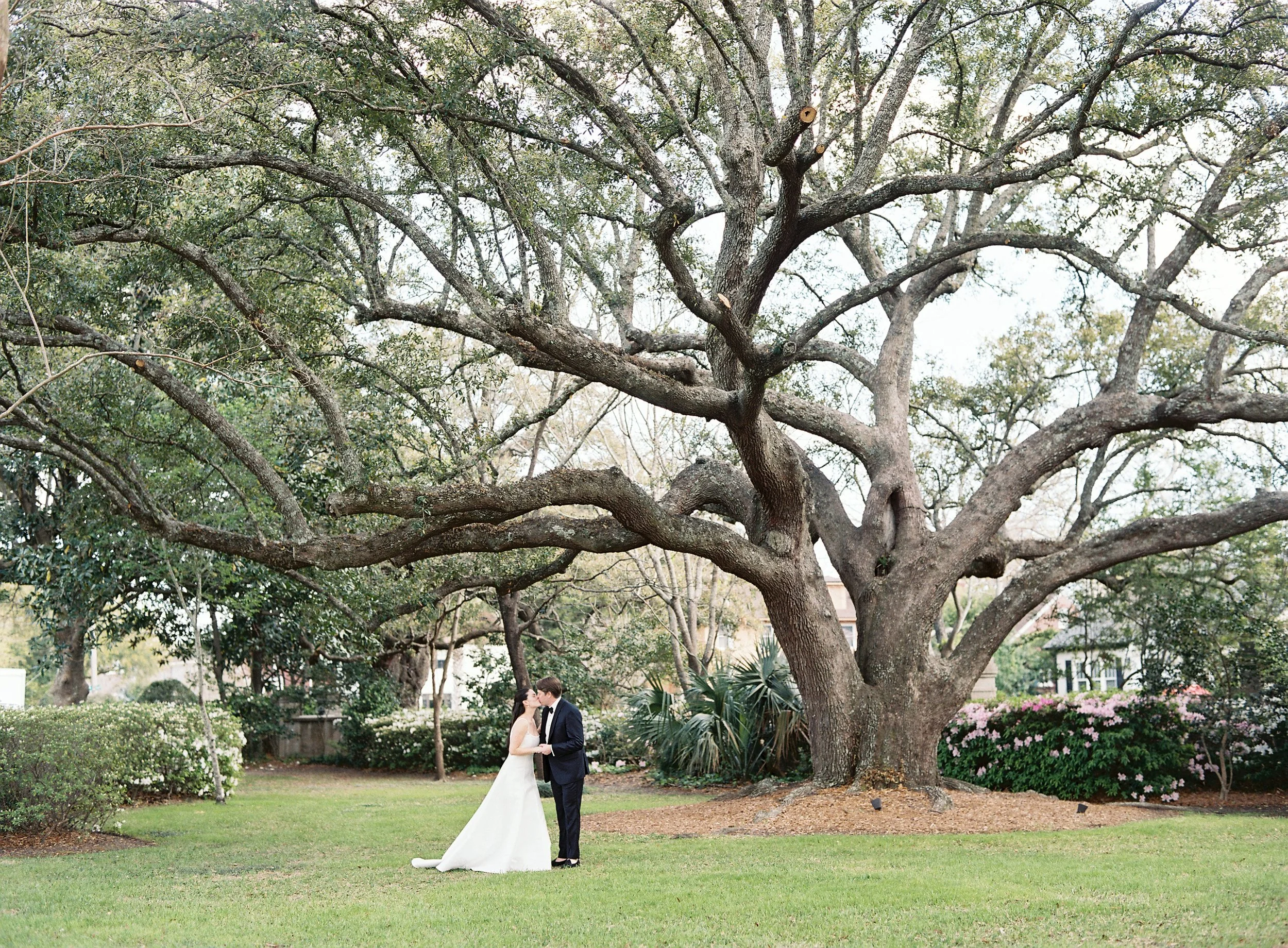
Featured Charleston wedding venues in this guide include Middleton Place, William Aiken House, Lowndes Grove, The Dewberry, Boone Hall Plantation, Legare Waring House, Gadsden House, The Cedar Room, The Governor Thomas Bennett House, Gibbes Museum of Art, The Dunlin, and Kiawah Island venues including Ocean Course, River Course, and The Sanctuary.
What Makes a Venue Photograph Well on Film?
Film performs best when there is:
• Soft, directional window light or open shade
• Clean backdrops with texture, not visual clutter
• Architecture or foliage that adds depth behind the couple
• Space to step back and compose intentionally
Film struggles when there is:
• Dark reception spaces with no natural light
• Strong colored uplighting
• Midday overhead sun with no shade
• Tight, crowded ceremony zones
When the light works, everything else falls into place.
Not All Venues Photograph the Same
A venue can feel breathtaking in person and still be challenging on film.
What matters more is:
• Direction and quality of light
• Interior tones and wall color
• Depth behind the ceremony space
• Room to step back and compose
• Timeline flexibility for portraits
When light and layout align, the images feel effortless. When they don’t, no amount of design can fully compensate.
That’s why venue choice and how you use it matter.
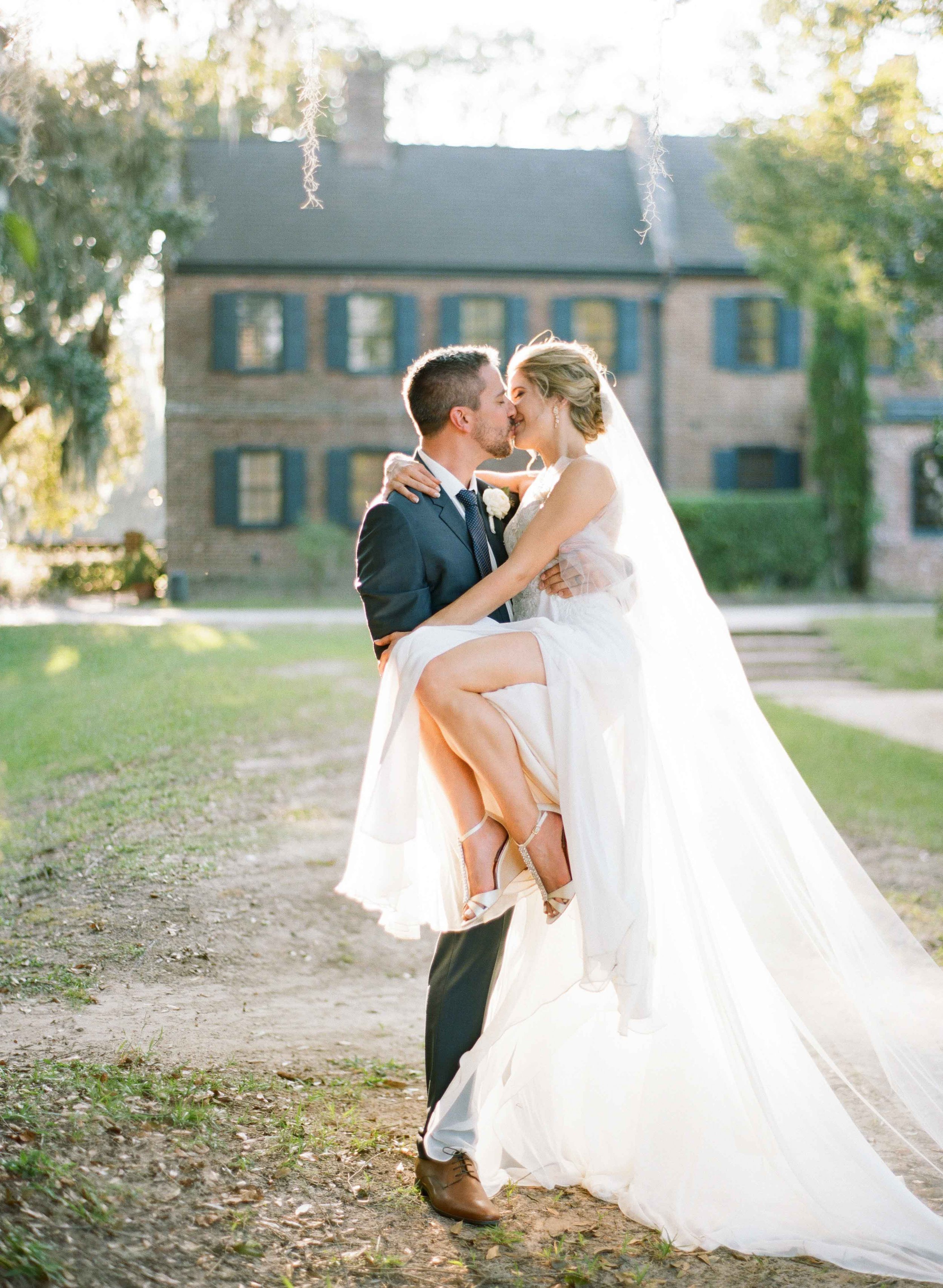
Structured. Balanced. Inspired by formal French gardens.
The Octagonal Garden offers symmetry and clean ceremony sightlines. The lawn overlooking the Butterfly Lakes introduces reflection and depth. Portraits near the rear of the house and along the lakes often feel softer as the day progresses, especially once light begins to skim across the water.
Season affects how quickly that softness arrives, but the back of the property consistently offers more dimension than the front gardens during peak brightness.
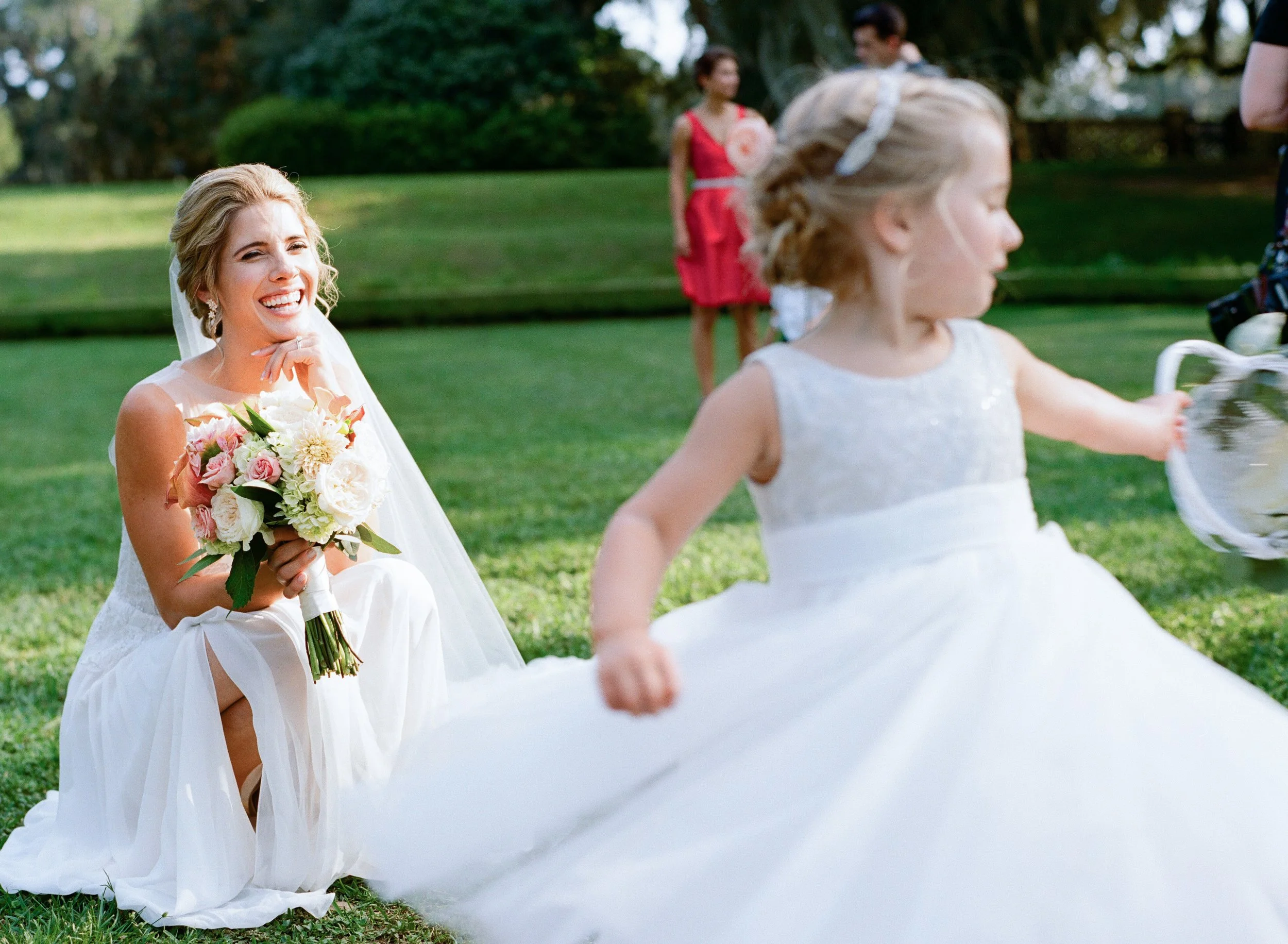
Best for: Garden estate celebrations
Film advantage: Symmetry + layered landscape
Insider note: Protect time behind the house for portraits.
William Aiken House Wedding Venue in Charleston
William Aiken House is one of the most consistently elegant properties downtown — and one I return to often.
The brick courtyard is the strongest ceremony placement. It offers partial shade, layered texture, and clean architectural framing that keeps the background intentional rather than busy. The white façade with black shutters creates structure in wide ceremony images, especially when guest seating is spaced thoughtfully.
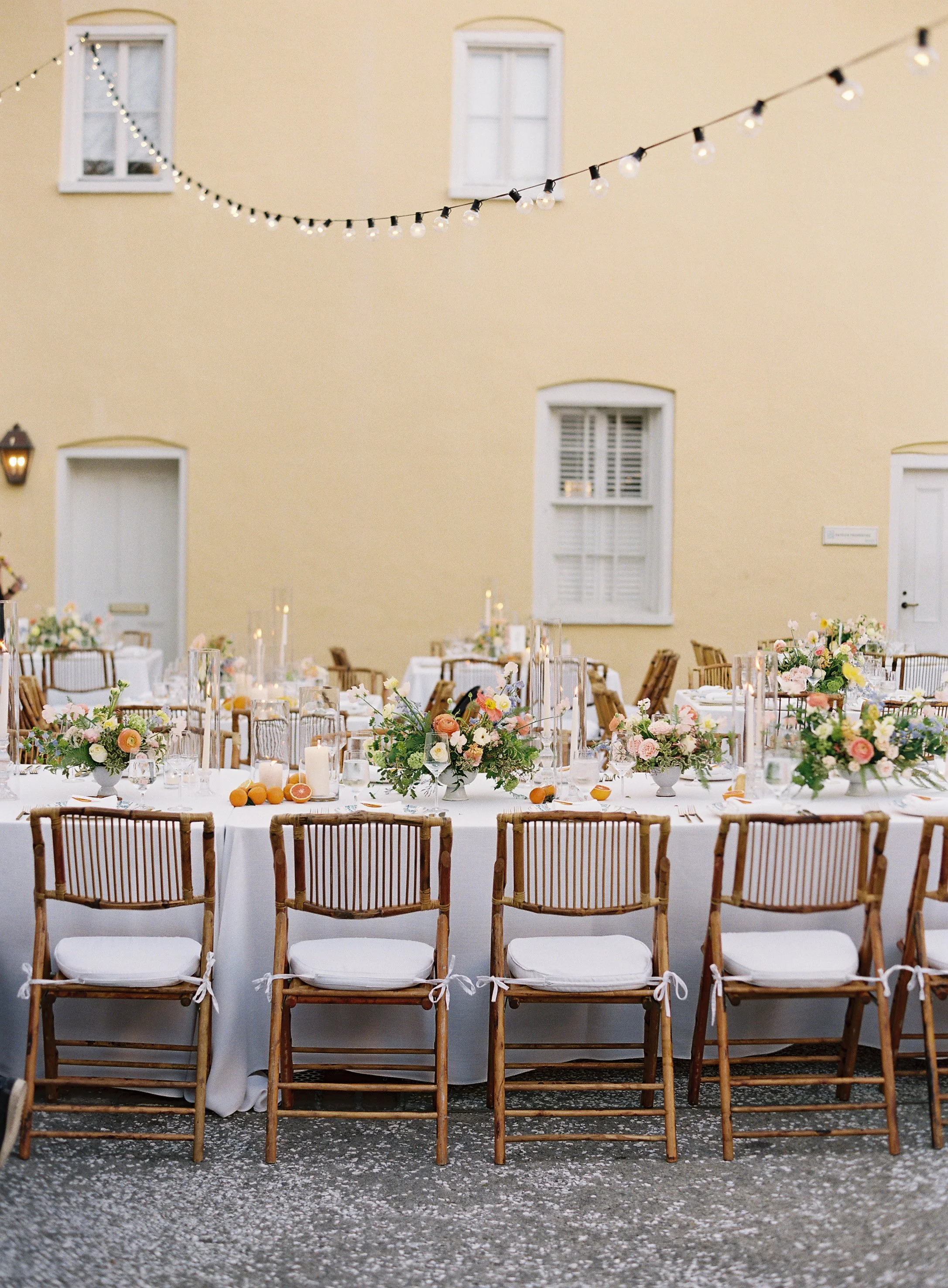
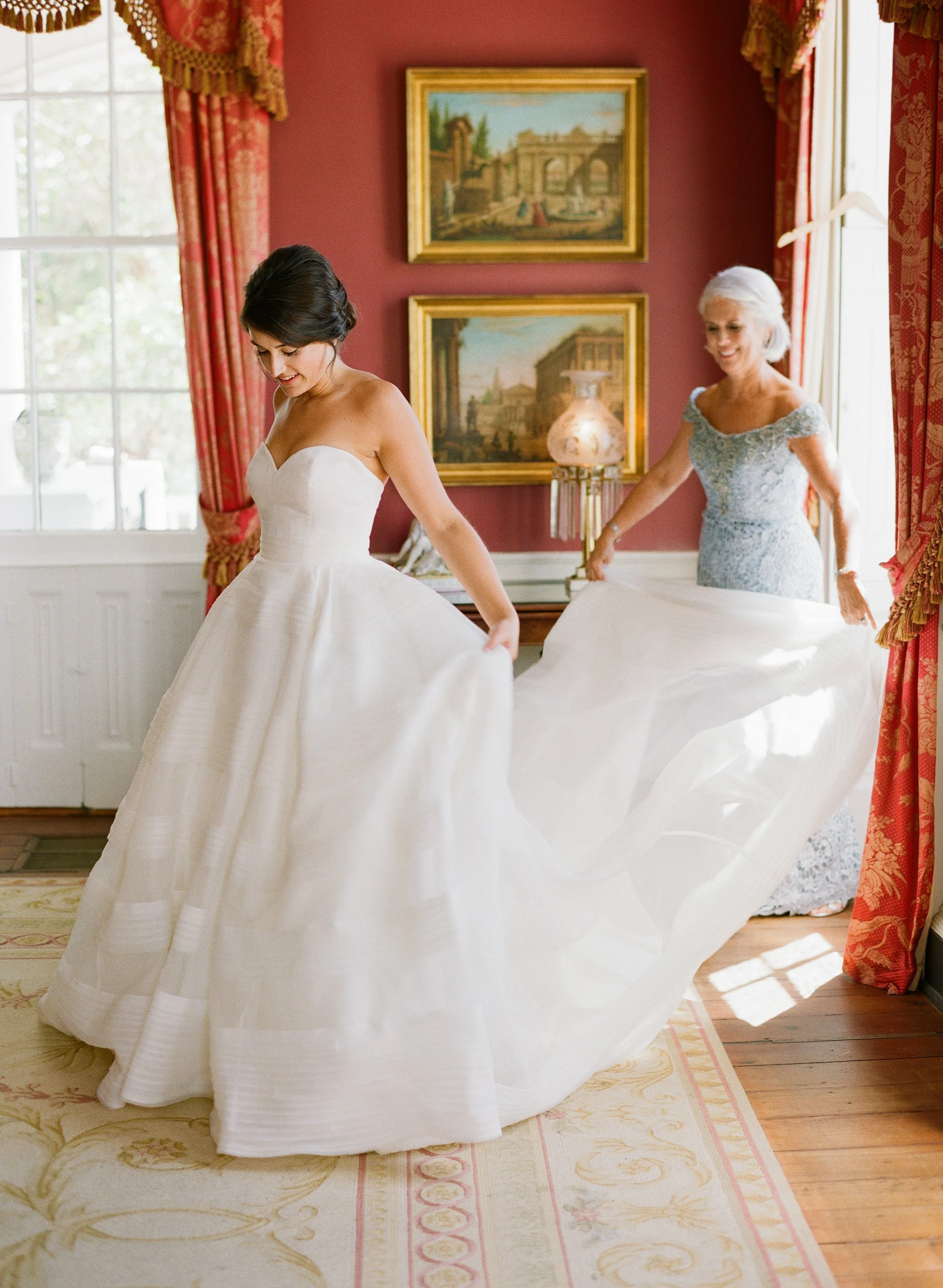
Because the property isn’t sprawling, timelines here feel contained. You’re not moving guests across acres of lawn. Getting ready, ceremony, cocktail hour, and reception all flow naturally. That containment protects portrait time.
The garden lawn works beautifully when the light begins to soften, but the courtyard remains the most reliable placement throughout the year. Brick holds warmth on film without overwhelming skin tones, which is rare.
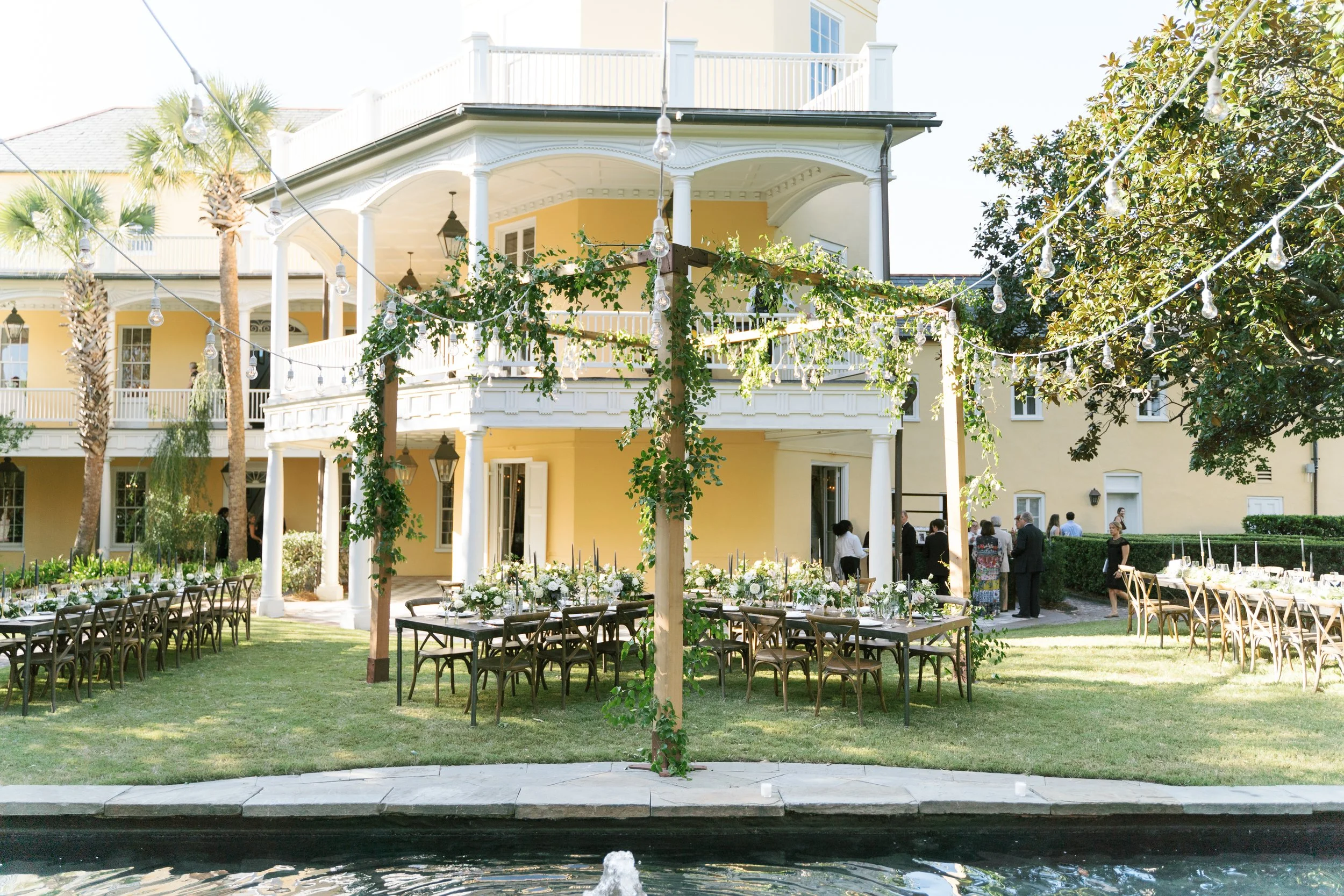
Best for: Elevated downtown estate weddings
Film advantage: Warm brick tones + controlled courtyard light
Insider note: Leave breathing room between the ceremony chairs and the façade. The architecture is part of the composition — it shouldn’t be crowded out.
Lowndes Grove Wedding Venue in Charleston
Lowndes is classic Charleston. Waterfront estate. Oak grove. Historic façade.
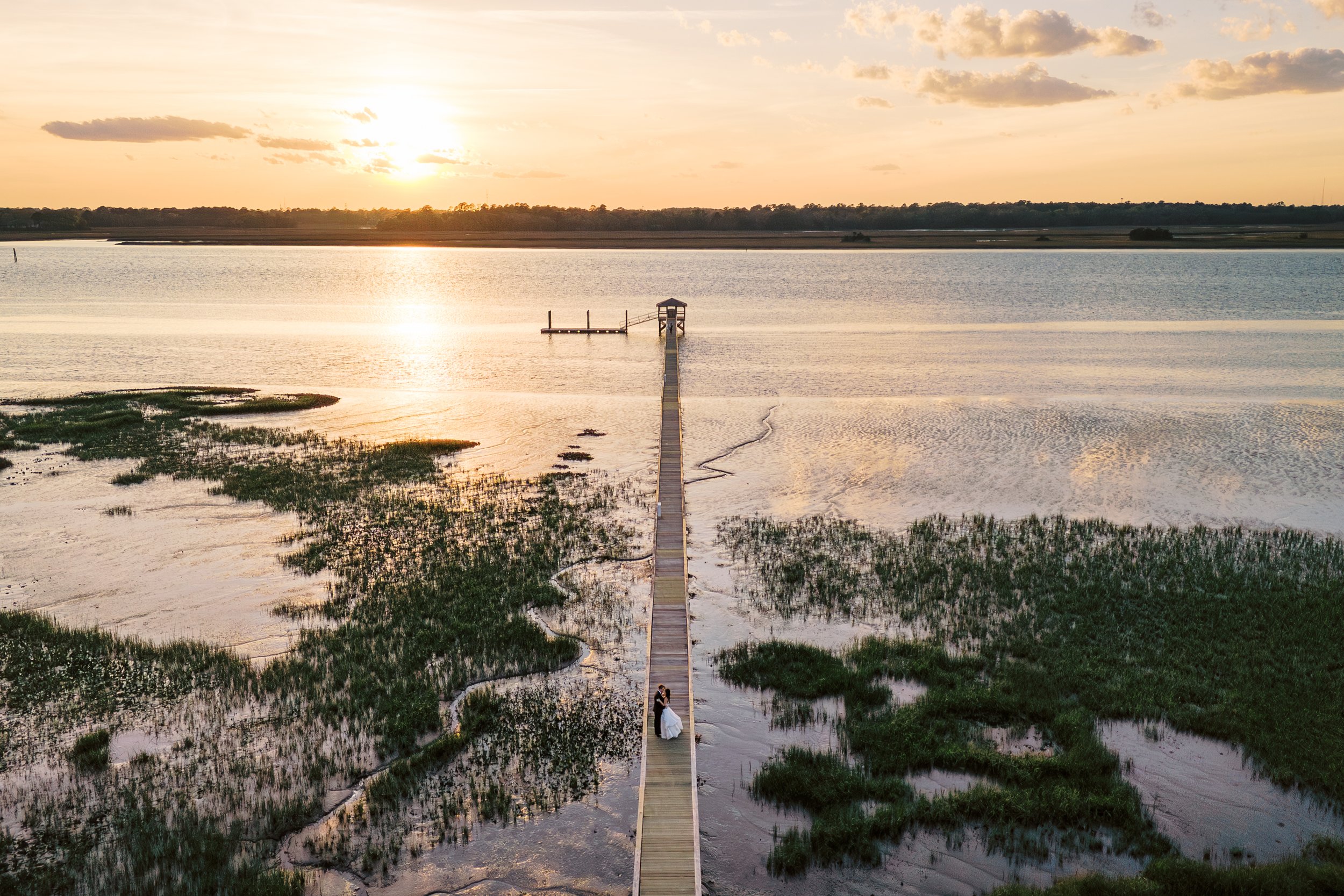
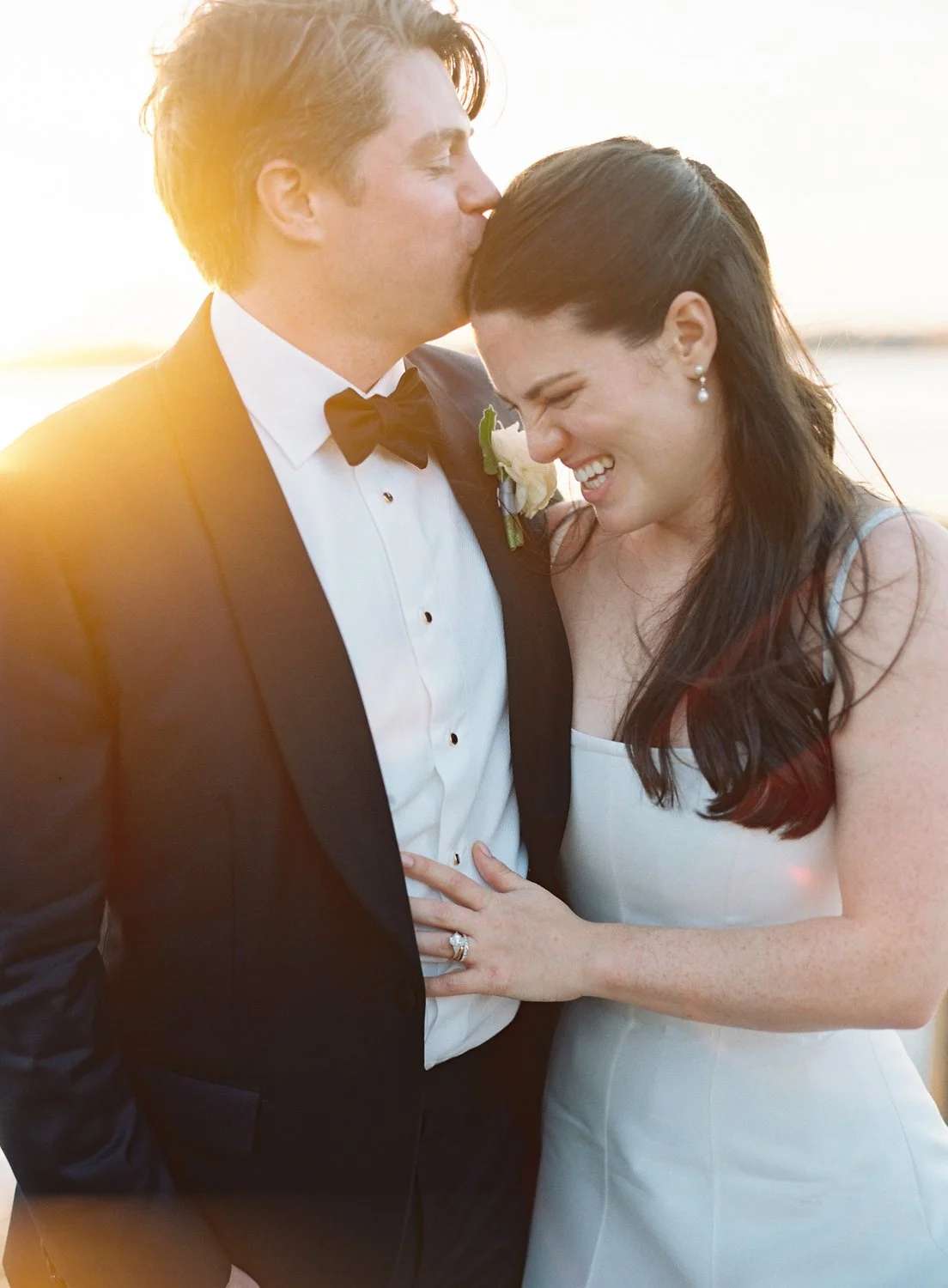
The Grand Lawn with the Main House behind you creates strong ceremony framing. The waterfront lawn introduces river light and open sky. The private dock offers some of the most refined portrait opportunities in the city.
The glass-enclosed portico with its black and white checkered flooring is one of the strongest rain backups in Charleston. The upstairs piazza overlooking the river is ideal for portraits. And getting ready on-site protects your timeline.
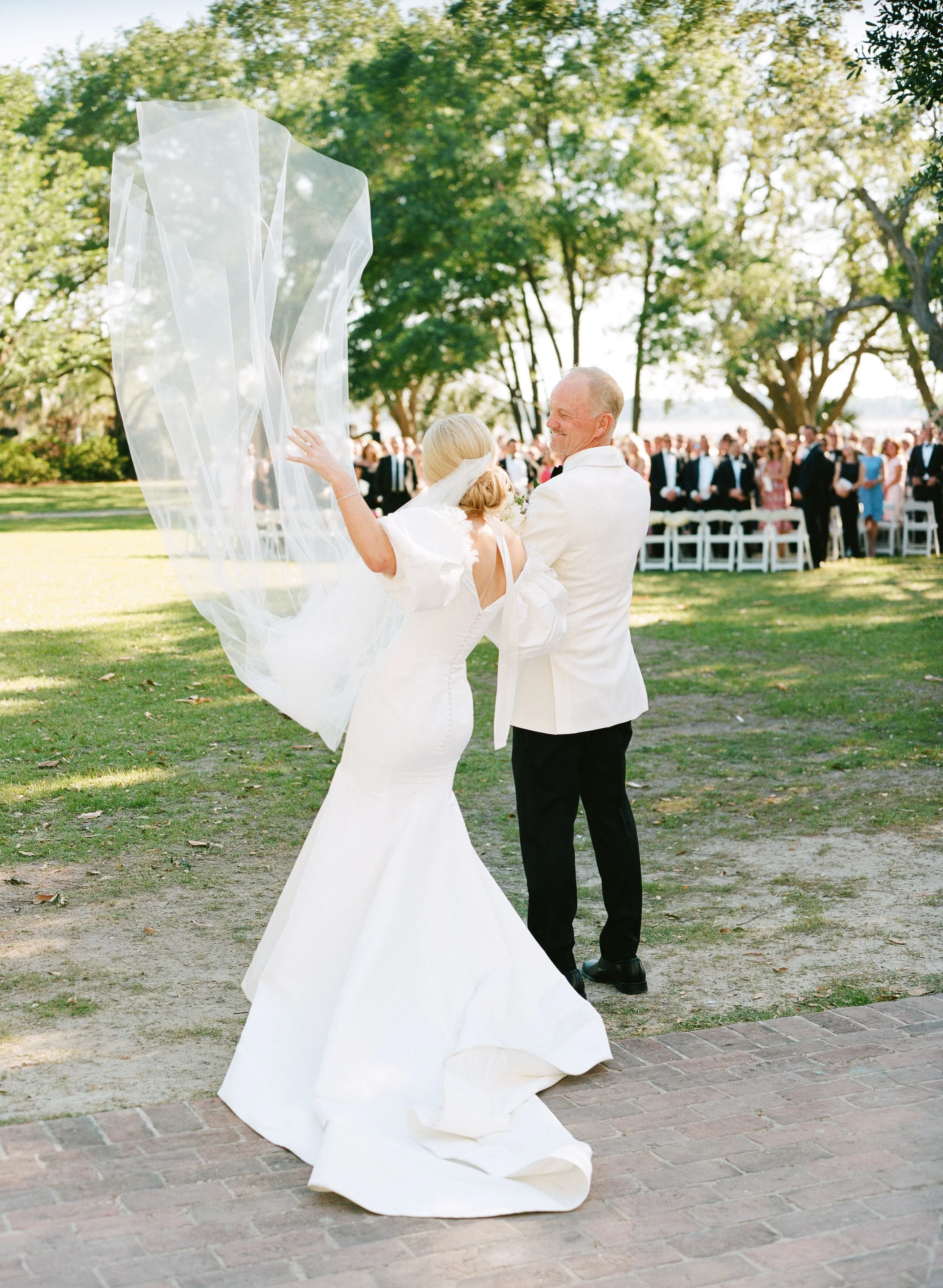
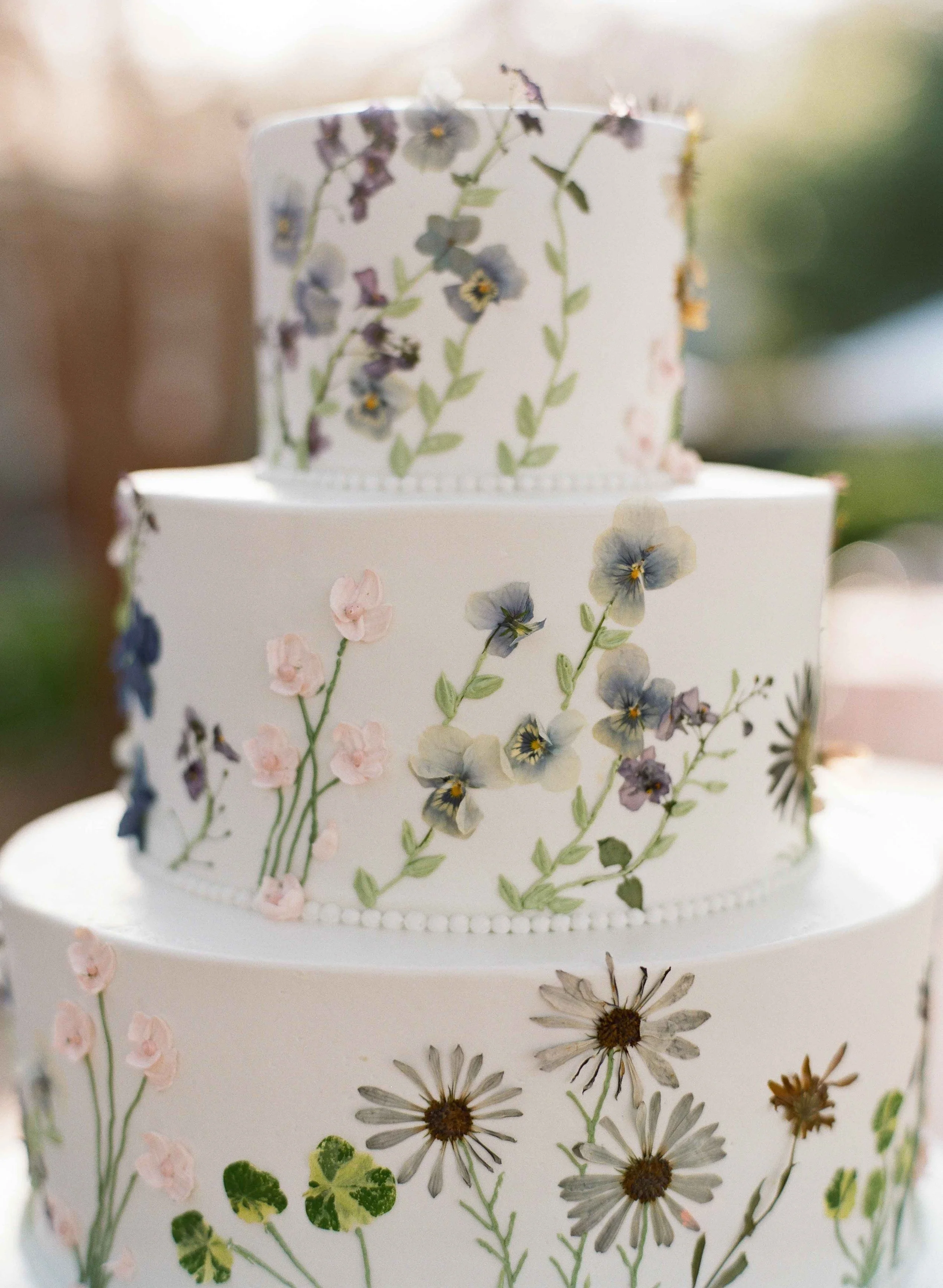
Best for: Waterfront estate weddings
Film advantage: Architectural anchor + reflective water light
Insider note: Build space into your schedule. The dock deserves it.
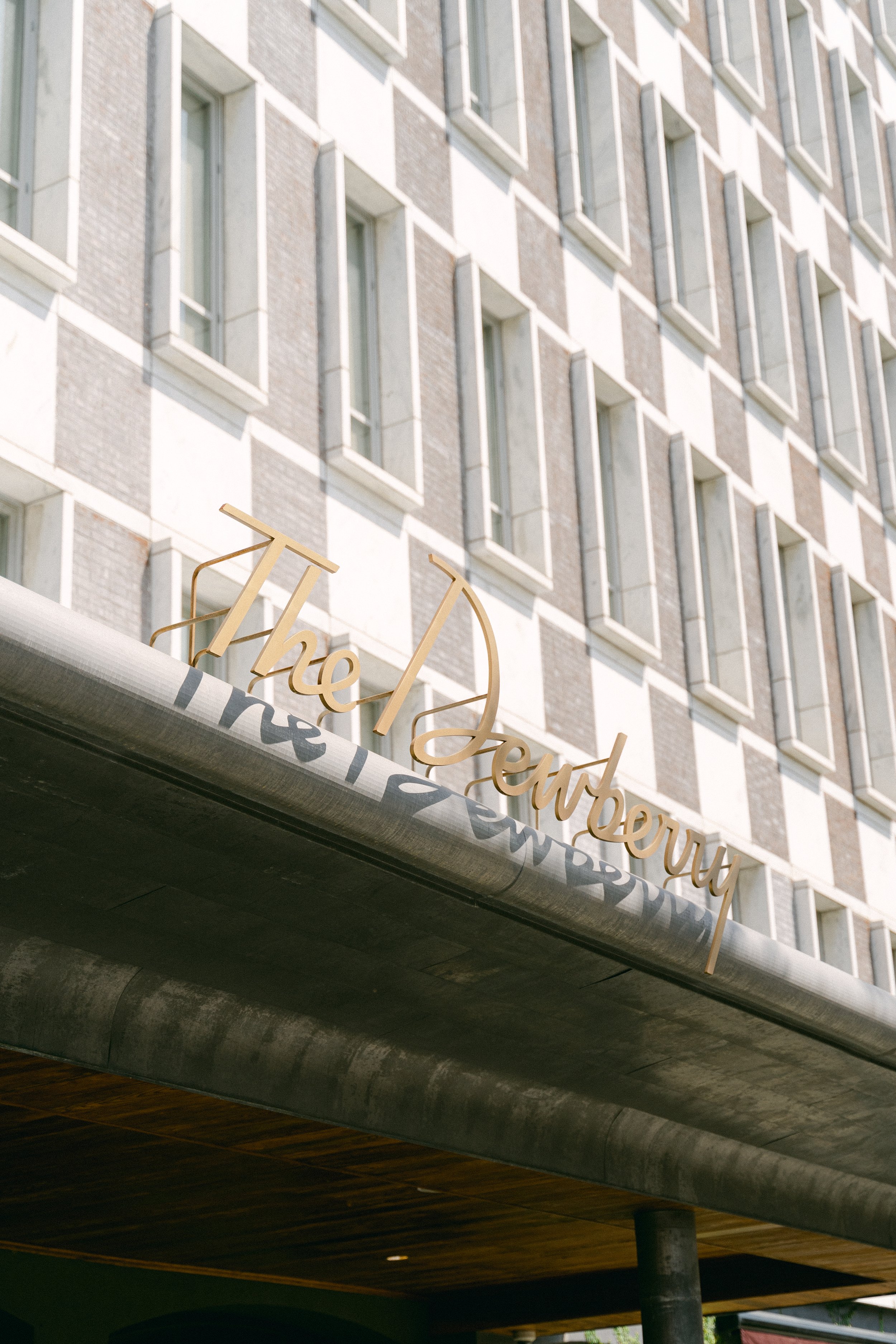
The Dewberry Wedding Venue in Charleston
Mid-century modern. Warm interiors. Clean lines. And yes — that signature scent inspired by the southern dewberry plant, layered with rose, coastal botanicals, sandalwood, and spice. It sets the tone before the ceremony even begins.
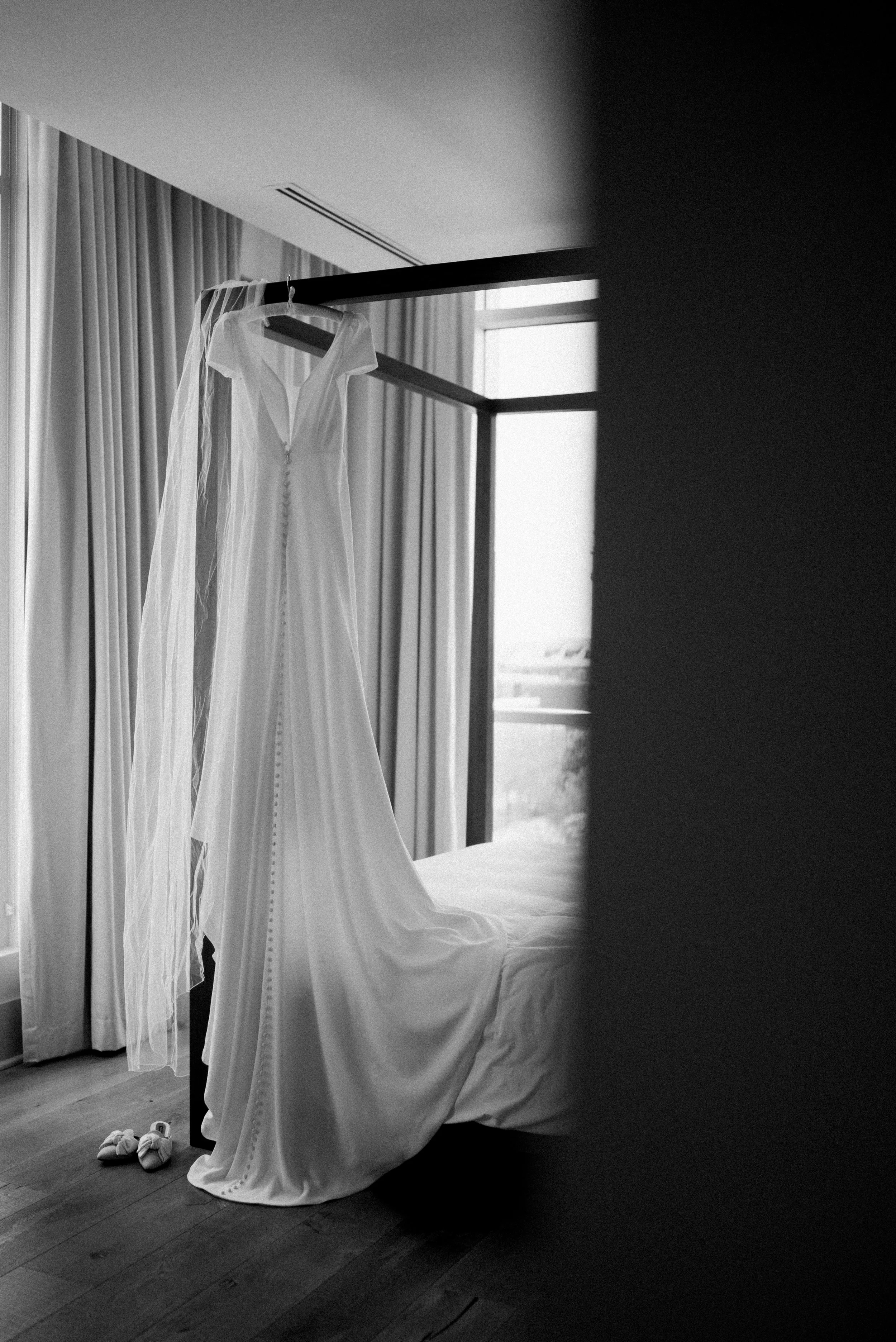
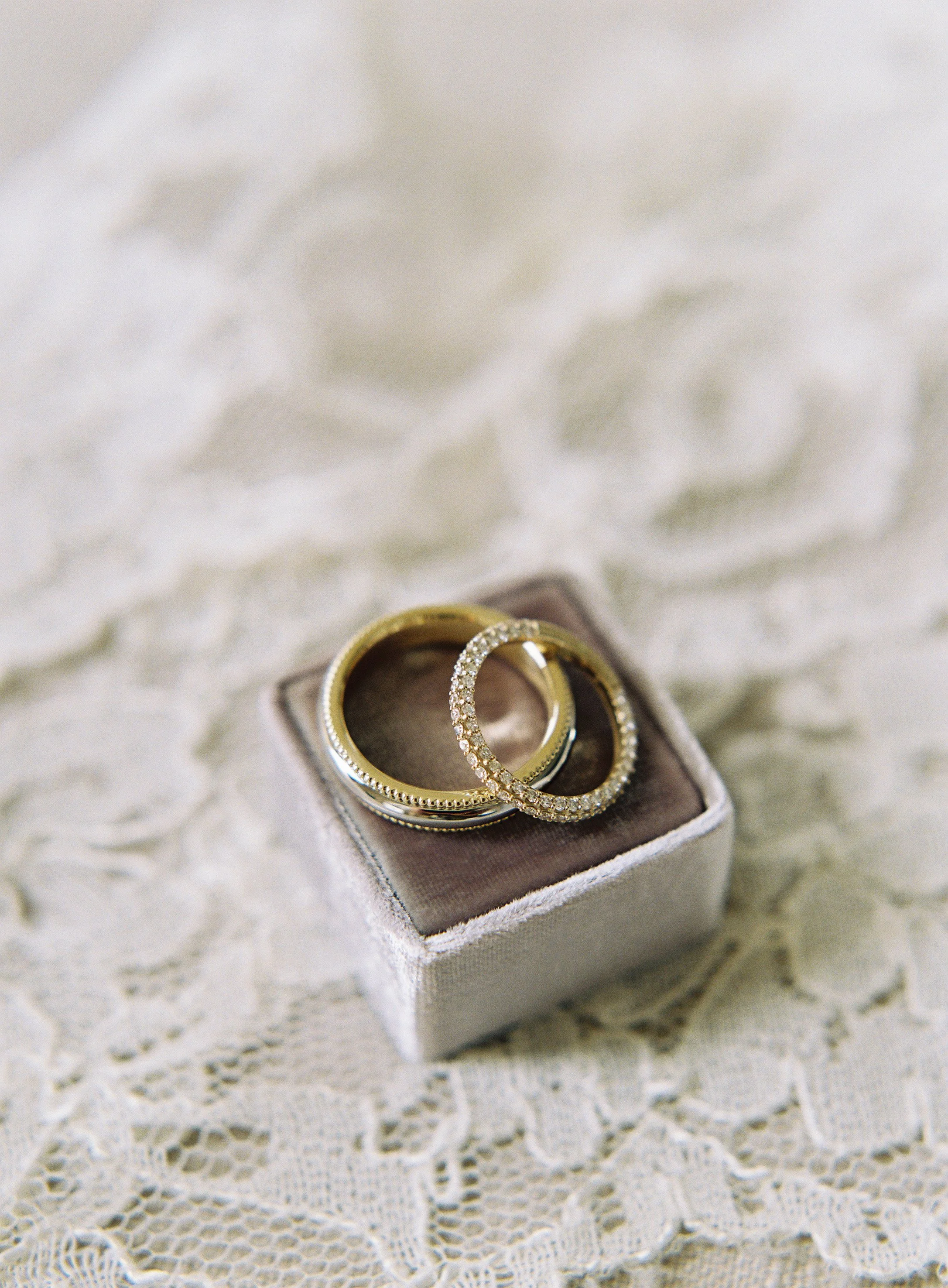
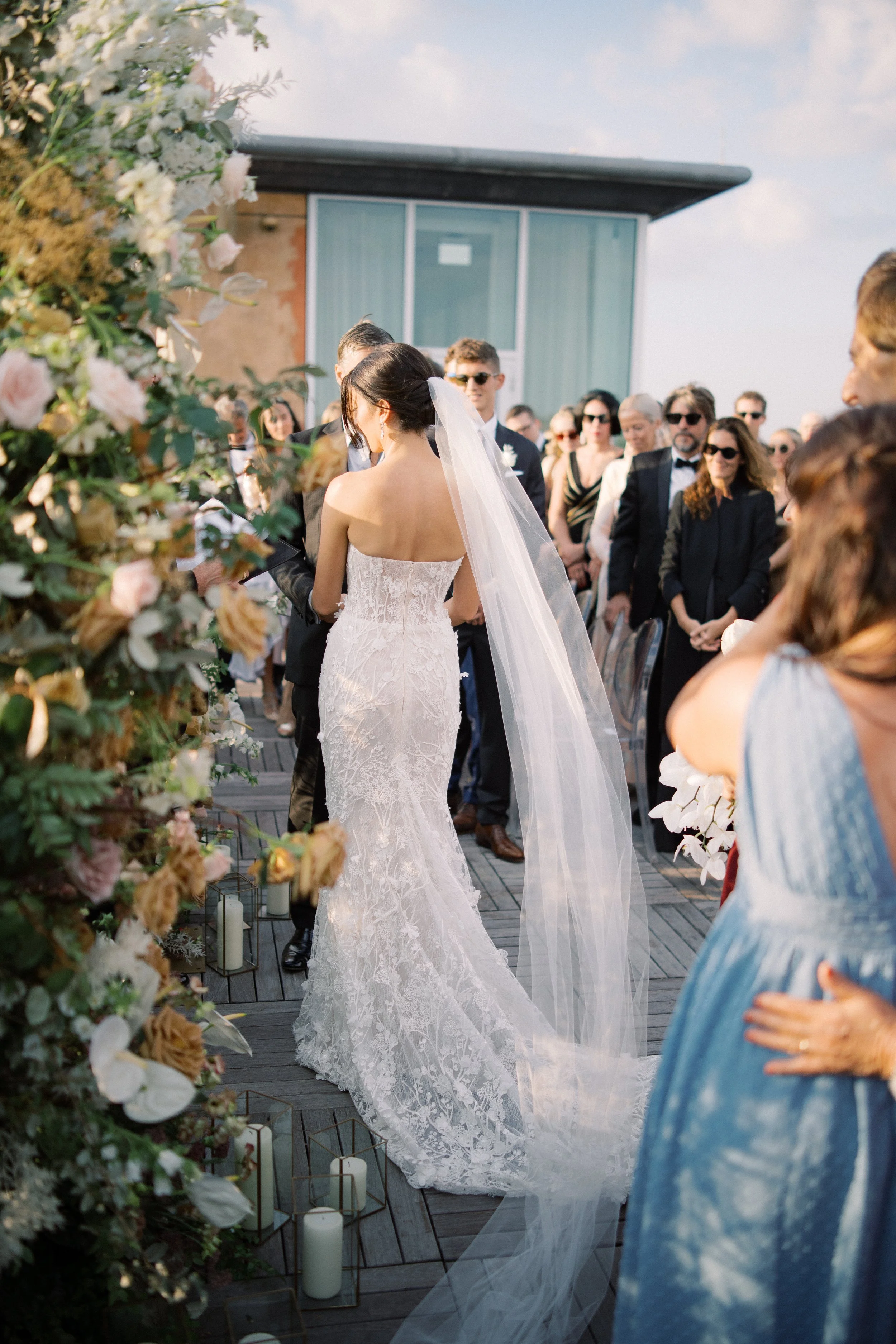
A sunset rooftop ceremony can feel cinematic—skyline, wind, open sky—but timing is everything. Earlier in the day, the rooftop is bright and exposed. Later, it becomes dimensional.
The Walled Garden is one of the strongest ceremony placements downtown. The surrounding walls add privacy and help soften directional light. The Ballroom works beautifully when ceremony layouts prioritize window light over overhead fixtures.
The River Room is ideal for rehearsal dinners or smaller gatherings with strong window placement.
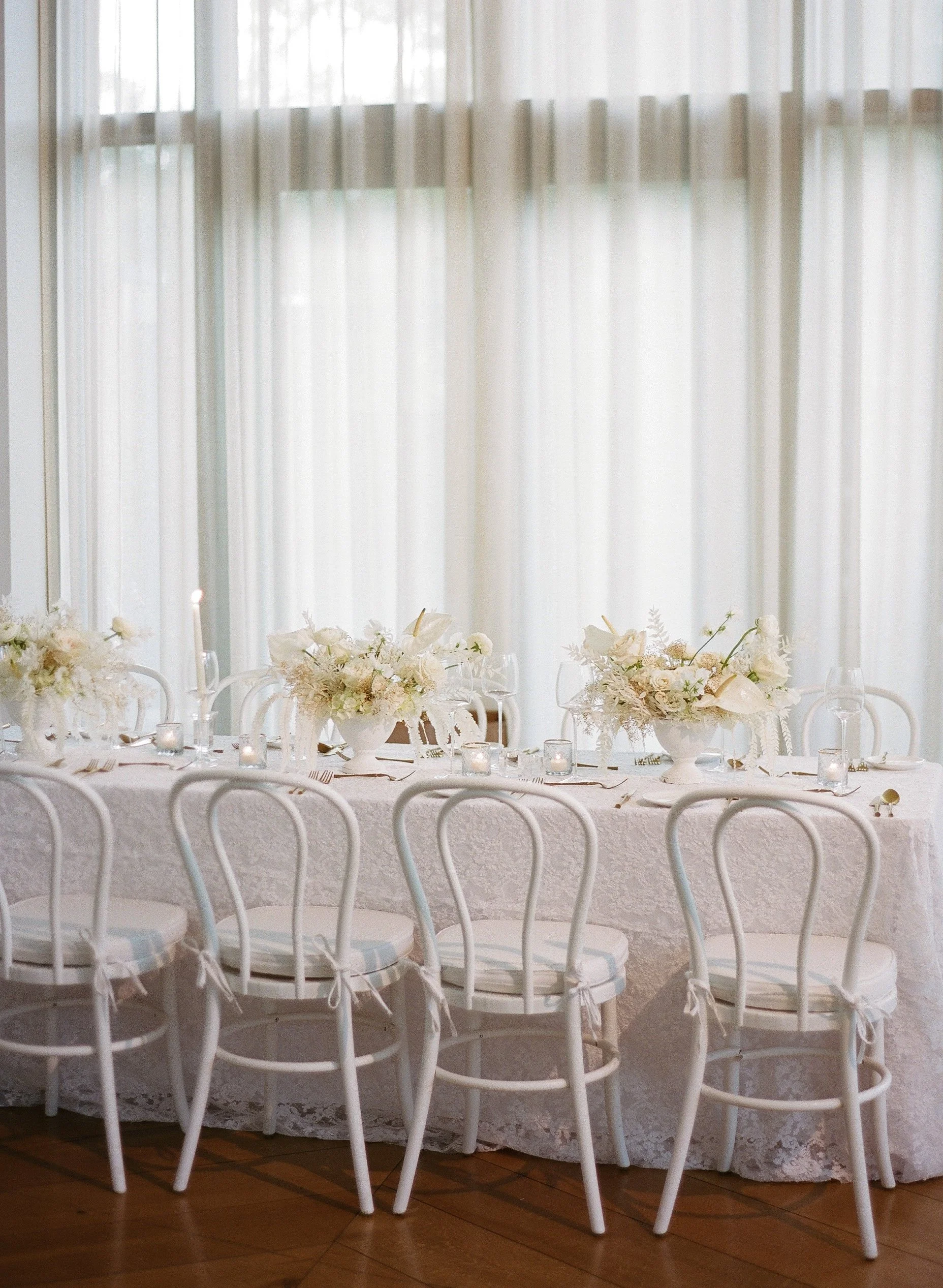
Best for: Editorial, design-forward celebrations
Film advantage: Architectural structure + controlled natural light
Insider note: Choose ceremony placement based on time of day, not just aesthetics.
Kiawah Island Wedding Venues
(River Course · Ocean Course · The Sanctuary)
Kiawah isn’t just a venue. It’s scale, wind, and atmosphere. And because it’s so open, the difference between a beautiful wedding and a cinematic one comes down to strategy.
Light. Timeline. Wind. Getting-ready logistics. All of it matters here.
The River Course
The River Course feels coastal but understated. Marsh grass, horizon lines, and that quiet stretch of water in the background.
Most couples focus on which lawn they prefer, the marsh side or the clubhouse side, but what actually matters is the time of day and the season. The open marsh lawn can feel airy and dimensional when the light softens. Earlier in the day, it can feel exposed.
The clubhouse side, framed by moss-draped oaks, offers more built-in structure and shade. It’s often the more forgiving option during brighter months.
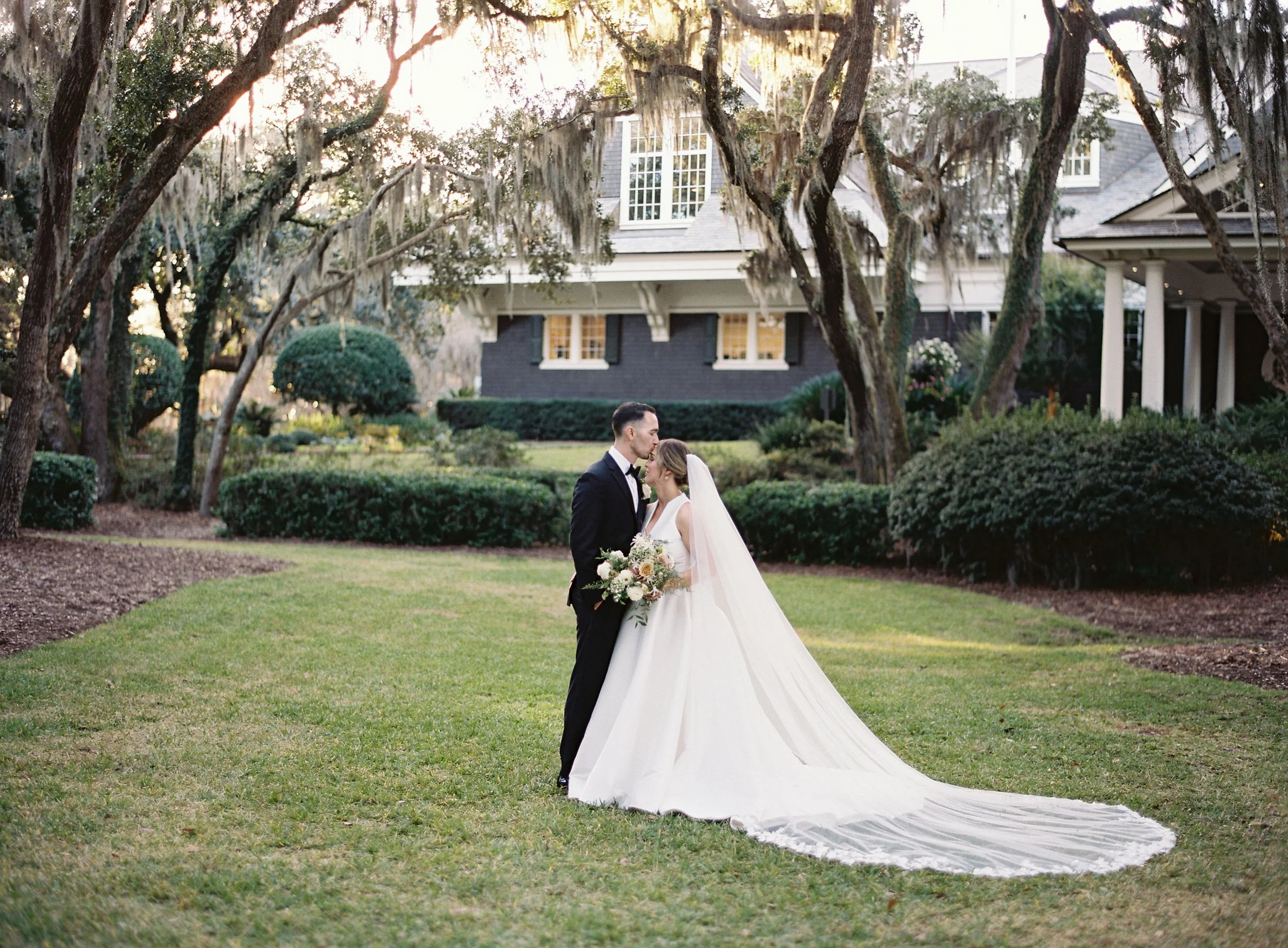
Best for: Coastal ceremonies with an open horizon
Film advantage: Marsh tones + natural movement
Insider note: The wind is real here. Plan your veil, hair, and aisle placement accordingly. The marsh side can be stunning, but only if you embrace movement rather than fight it.
The Ocean Course
The Ocean Course is bold. Atlantic views, dune lines, and wide-open sky.
But here’s what couples don’t think about: the getting-ready experience changes the tone of the entire gallery.
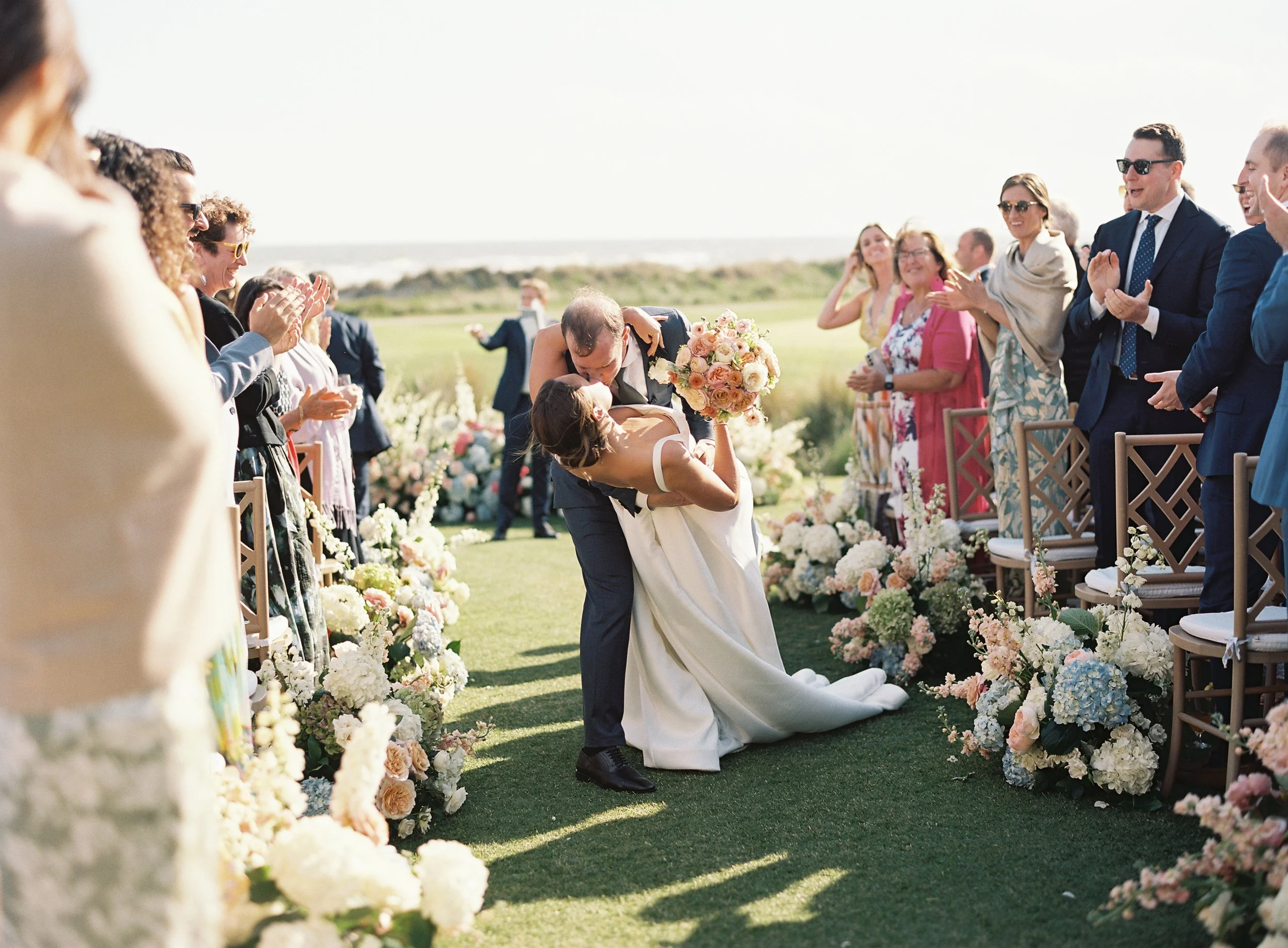
I often recommend that the women get ready at Cassique or a thoughtfully chosen house rental with strong natural light. The men's locker room at the Ocean Course offers incredible views, clean lines, and a refined atmosphere that feels intentional rather than improvised.
Ceremonies here feel strongest when the day begins to soften. Midday ocean light can be intense. Later in the day, the horizon glows, and the dunes gain depth.
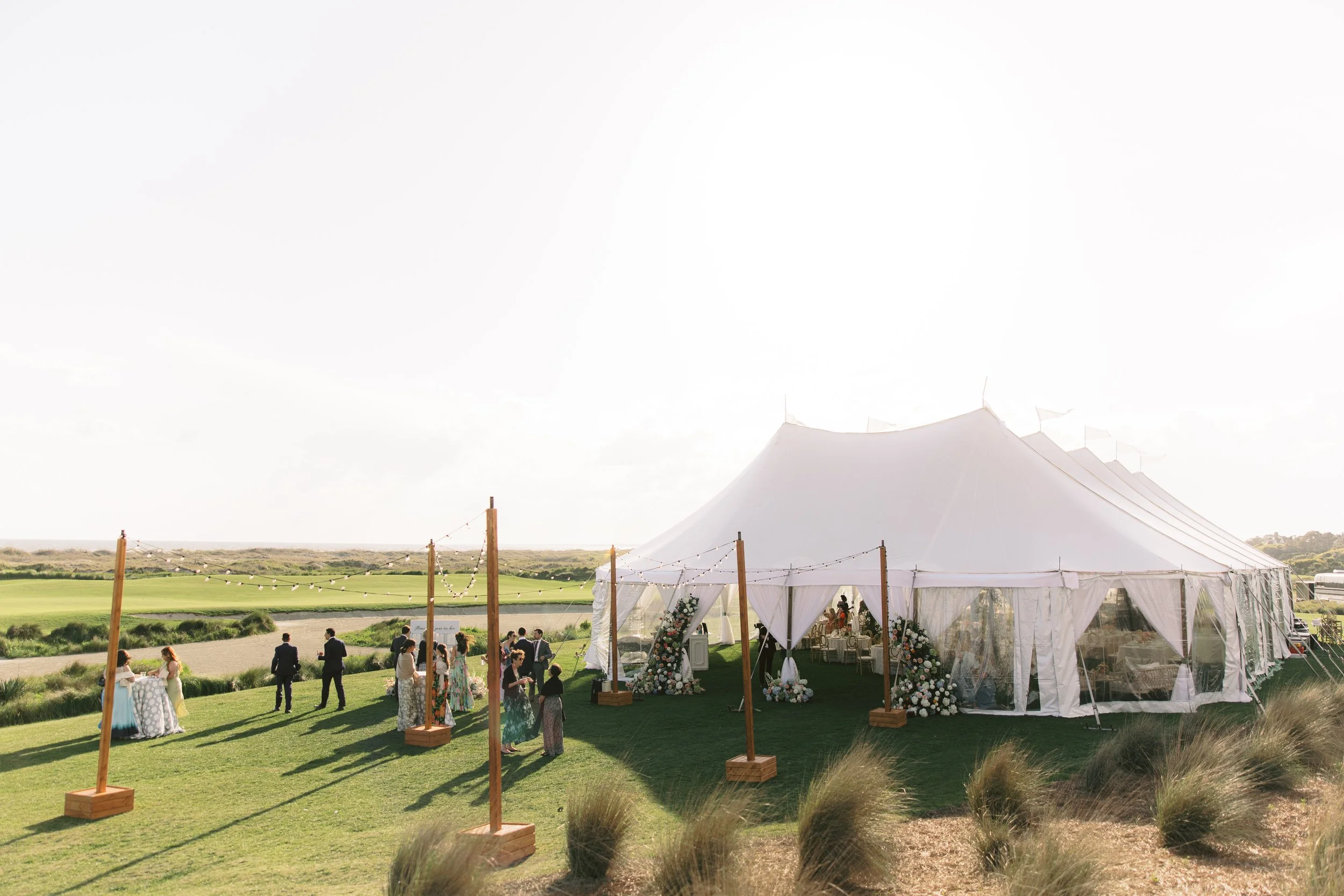
Best for: Oceanfront weddings with elevated energy
Film advantage: Scale + wind + horizon
Insider note: Build in separate sunset portraits even if your ceremony is earlier. The Ocean Course transforms in the final hour.
The Sanctuary
The Sanctuary carries a different tone. More formal. More contained. More classic resort.
The Grand Lawn works beautifully when the light lowers enough to soften the open space. The terrace offers elegance without losing coastal atmosphere.
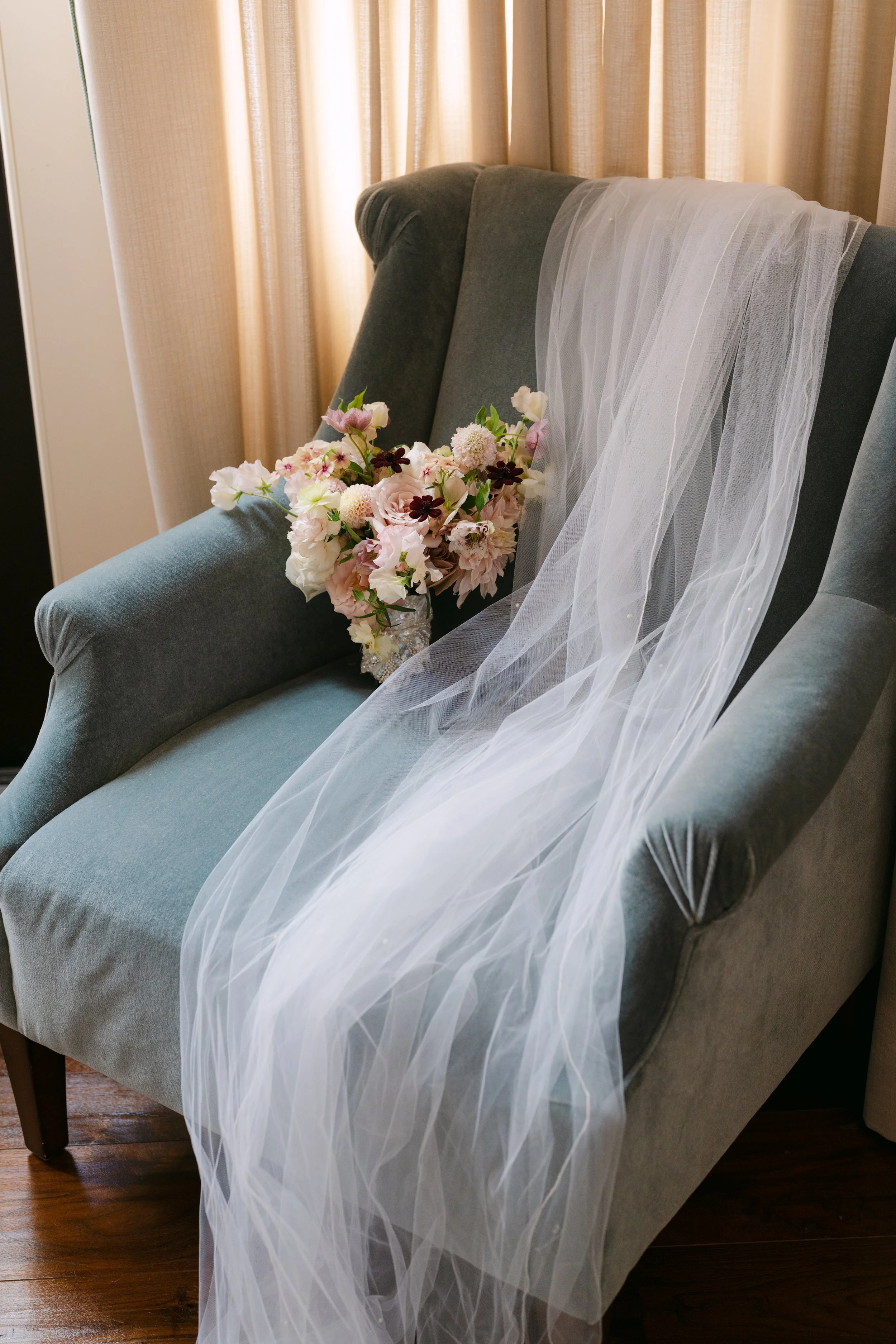
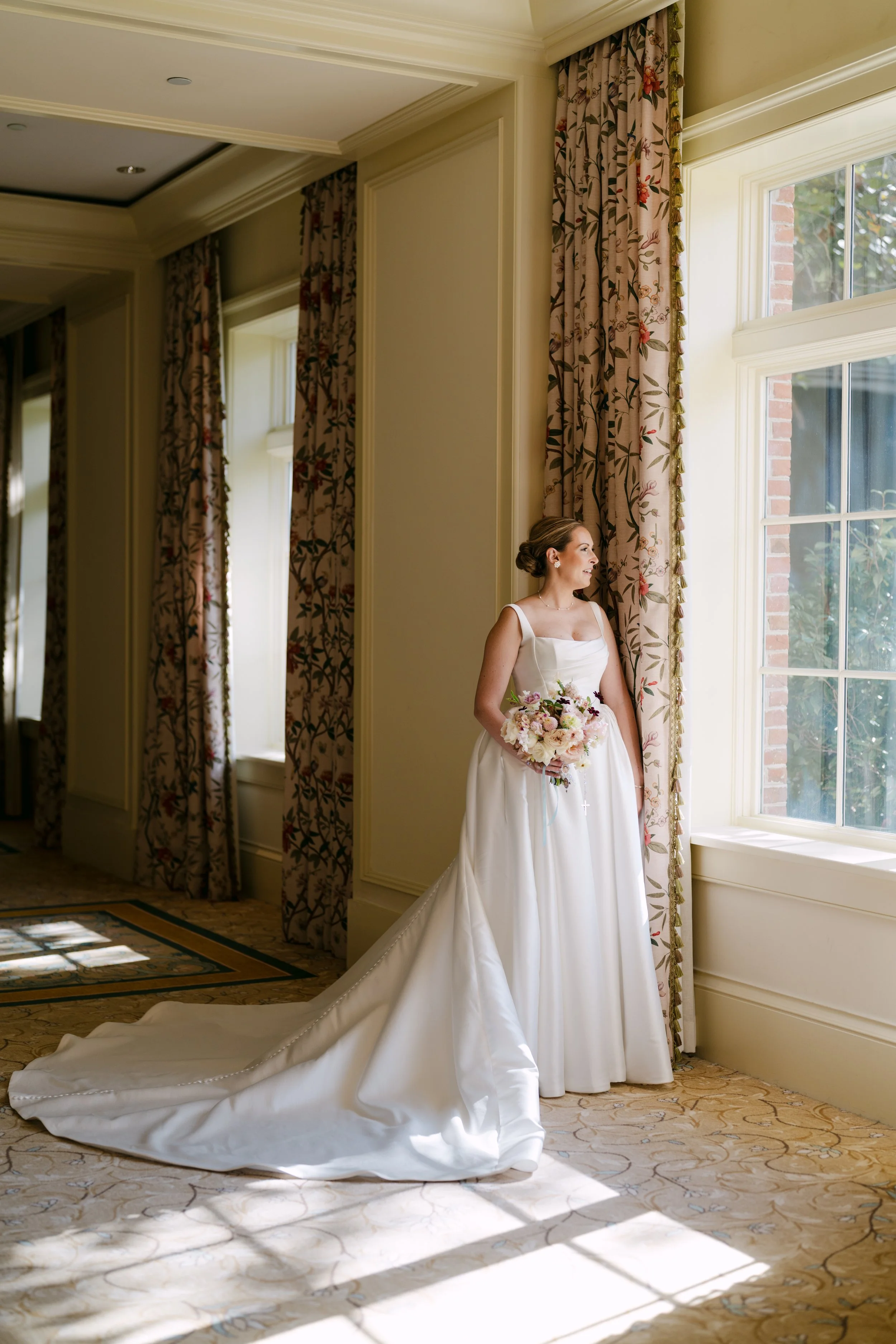
Inside, proximity to windows matters more than décor. The suites are stunning — but portraits must stay near natural light to retain depth on film.
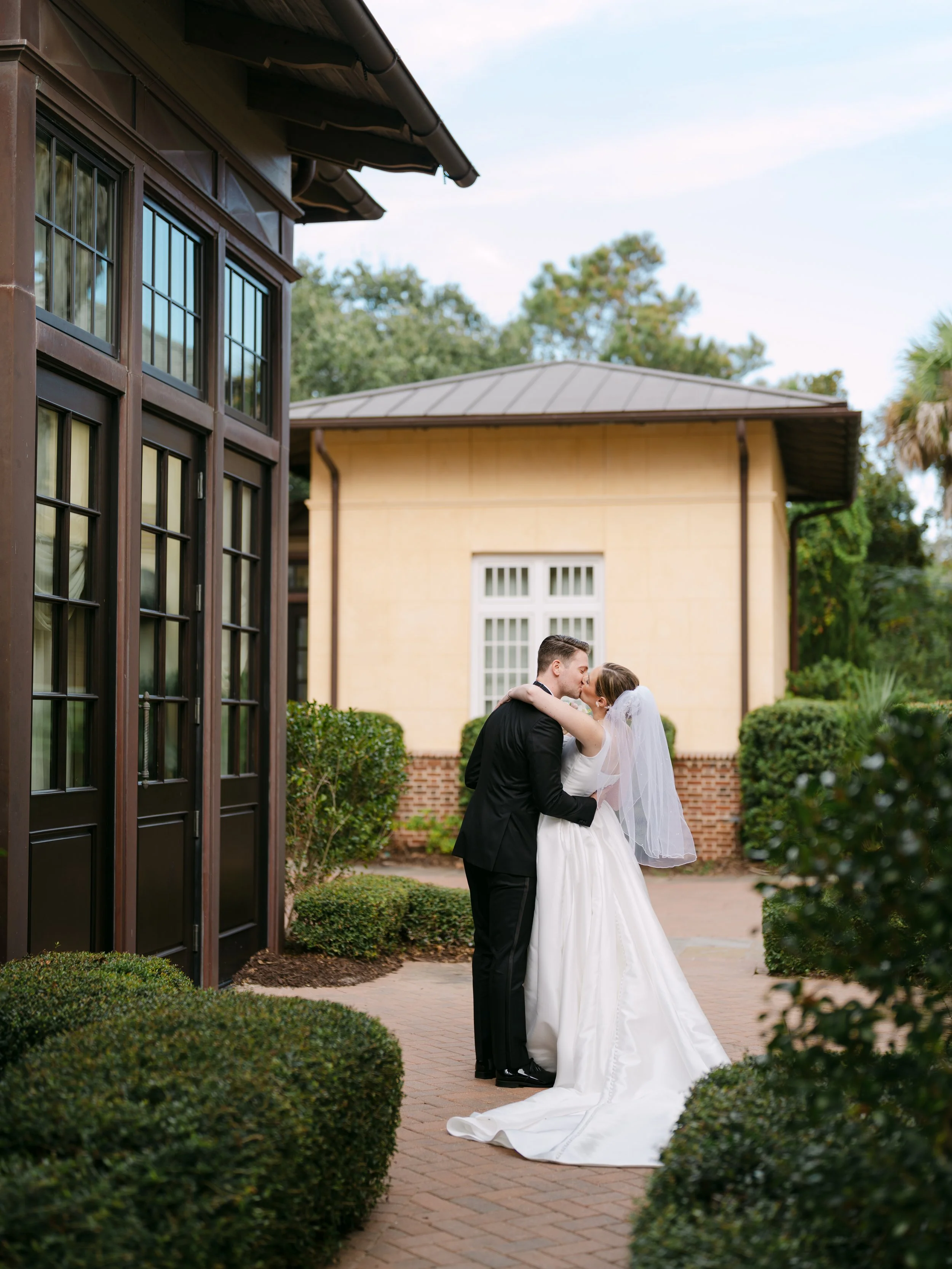
And because it’s a full resort property, timelines can be more seamless. Getting ready, ceremony, reception, guest accommodations — everything stays contained.
Best for: Elevated resort weddings with refined structure
Film advantage: Polished architecture + controlled interior light
Insider note: Schedule portraits or your first look near window light rather than in open lawn. It elevates the entire gallery before the ceremony even begins.
The Art of Planning a Kiawah Wedding Well
They don’t let the schedule dictate the light.
They let the light shape the schedule.
Ceremonies aren’t placed at 2pm because it’s convenient. They’re timed for when the sky softens over the marsh. Portraits aren’t squeezed in between cocktails. They’re intentionally held for the final stretch of sun, when the wind lifts a veil and the horizon glows.
At Kiawah, atmosphere is everything.
Couples who plan it well understand that the setting deserves intention. And when you give it that space, film rewards you with imagery that feels expansive and unforgettable.
The Cedar Room Wedding Venue in Charleston
The Cedar Room is modern, industrial, and dramatic — exposed brick, steel windows, high ceilings. It carries presence.
But it’s a venue that rewards intentional lighting decisions.
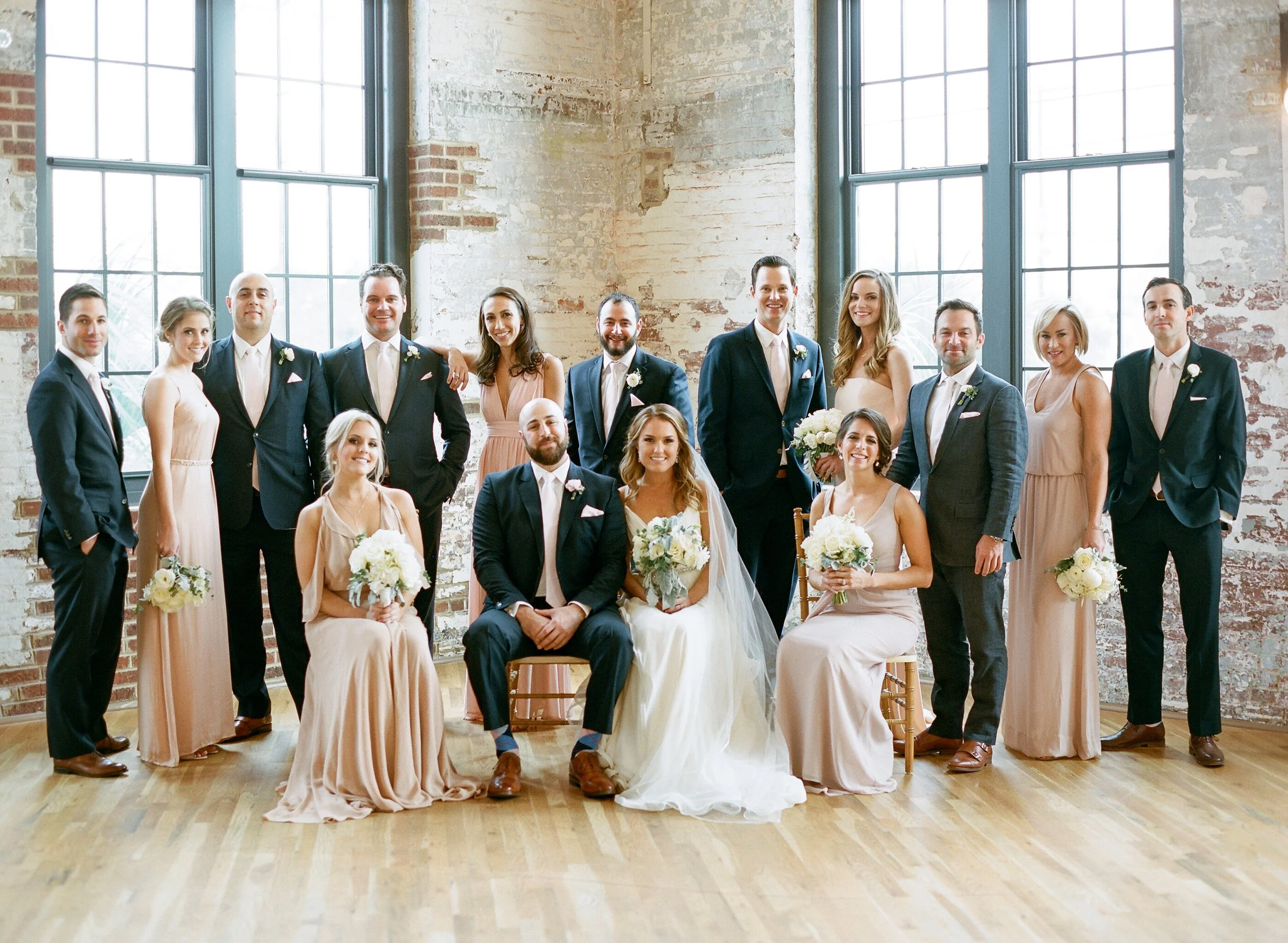
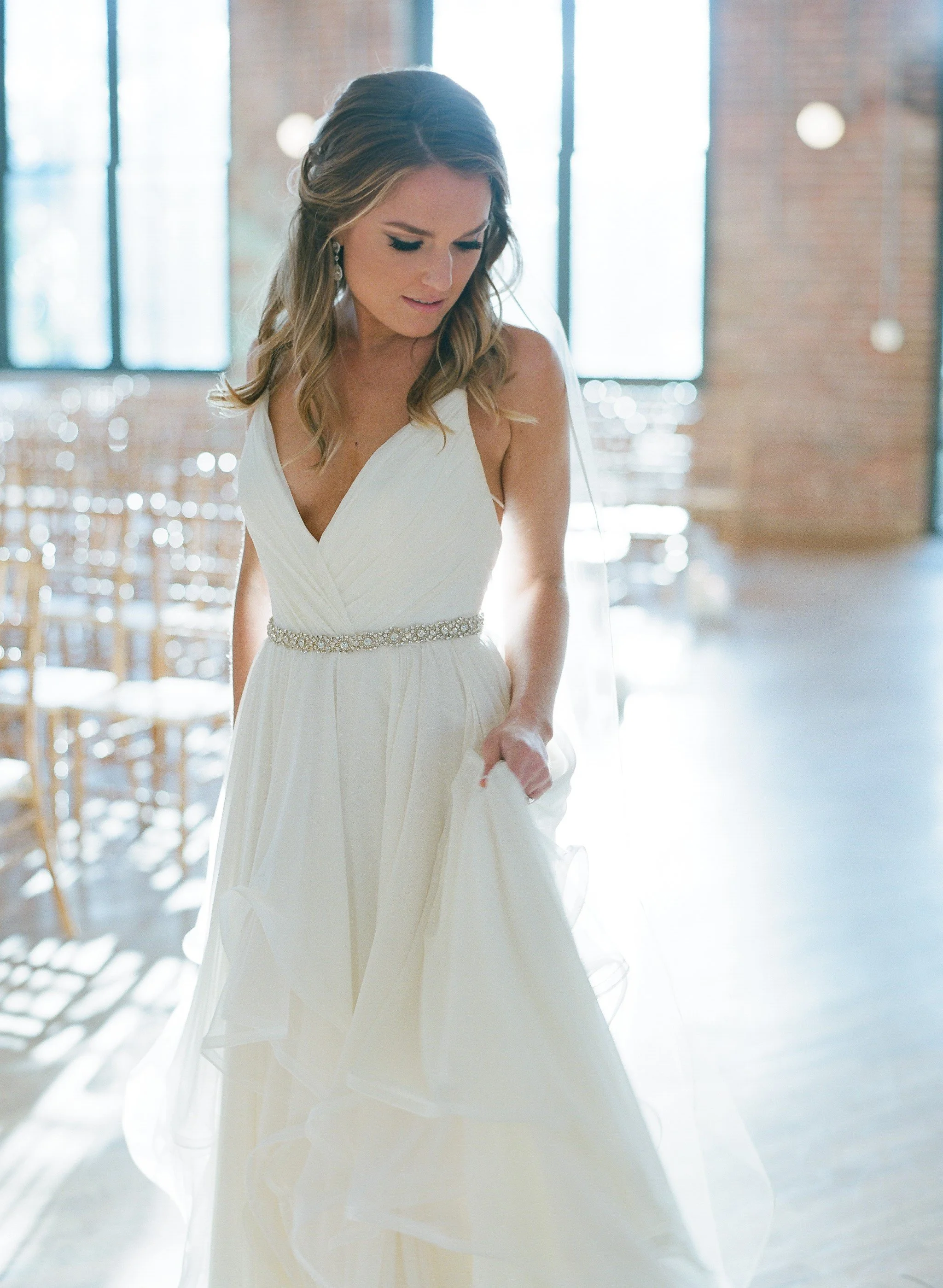
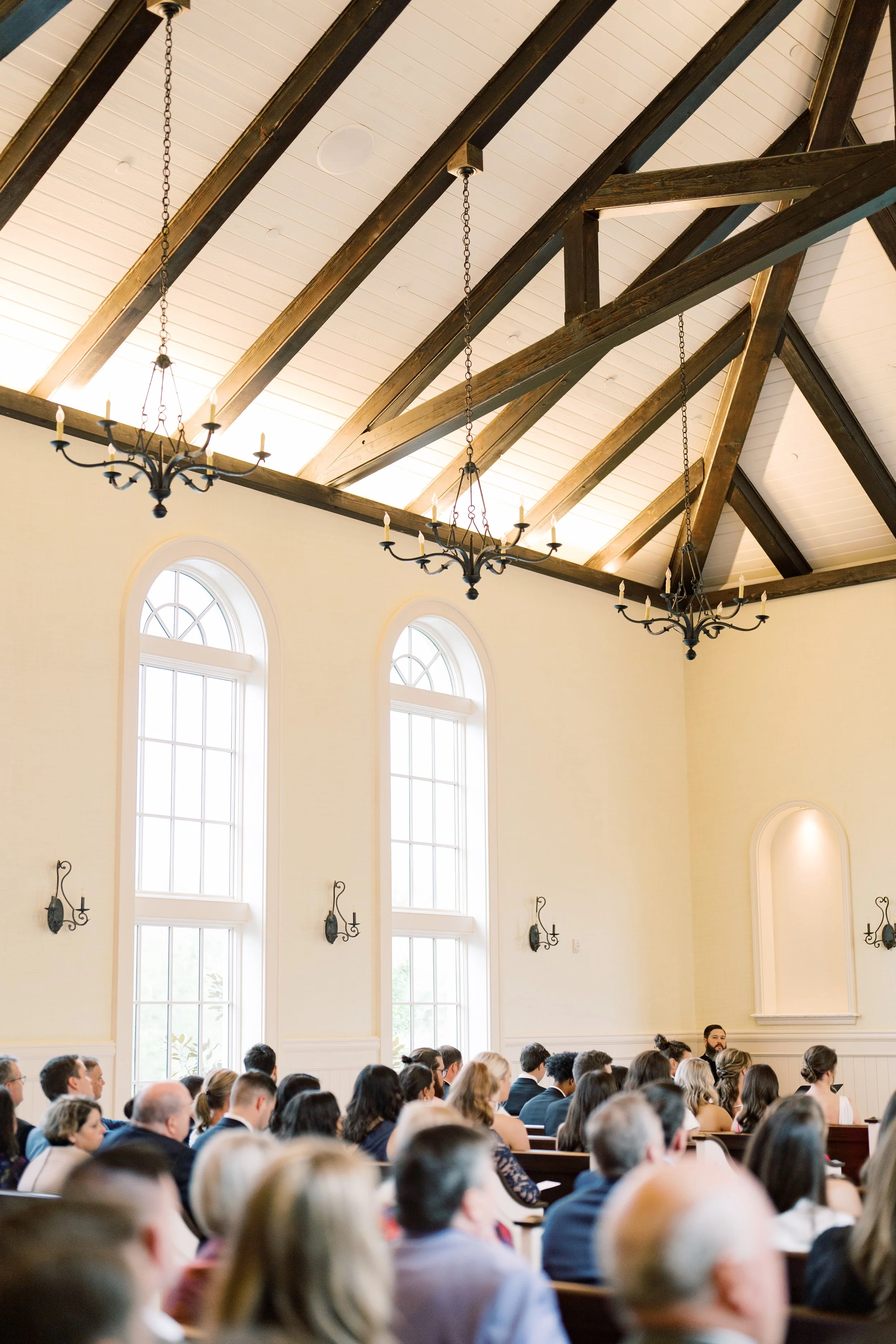
The ceremony space works best when positioned near the large steel-framed windows. Those windows are the difference between dimensional portraits and overhead-heavy flatness. In brighter months, afternoon light can feel strong; as the day progresses, it softens beautifully against the brick.
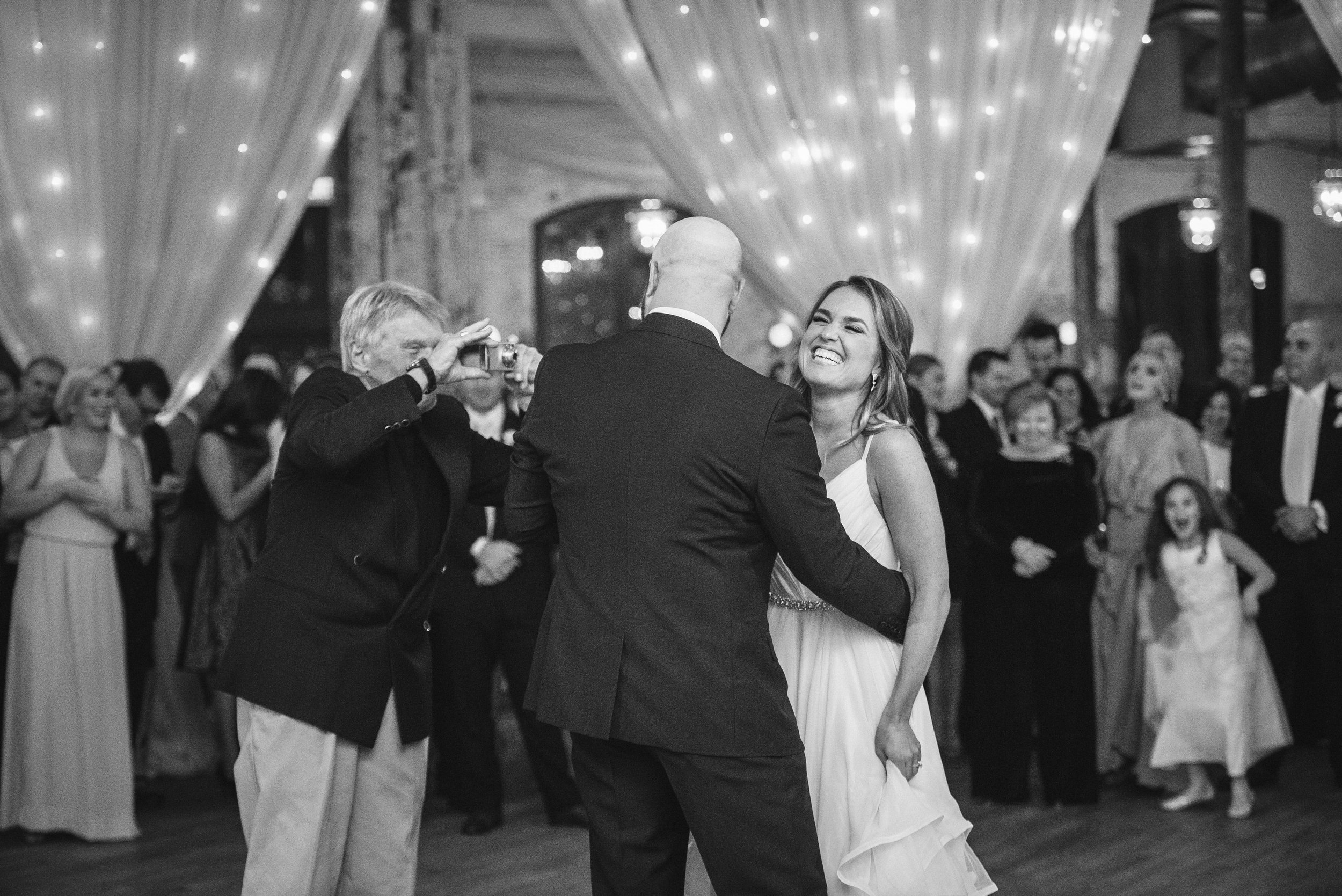
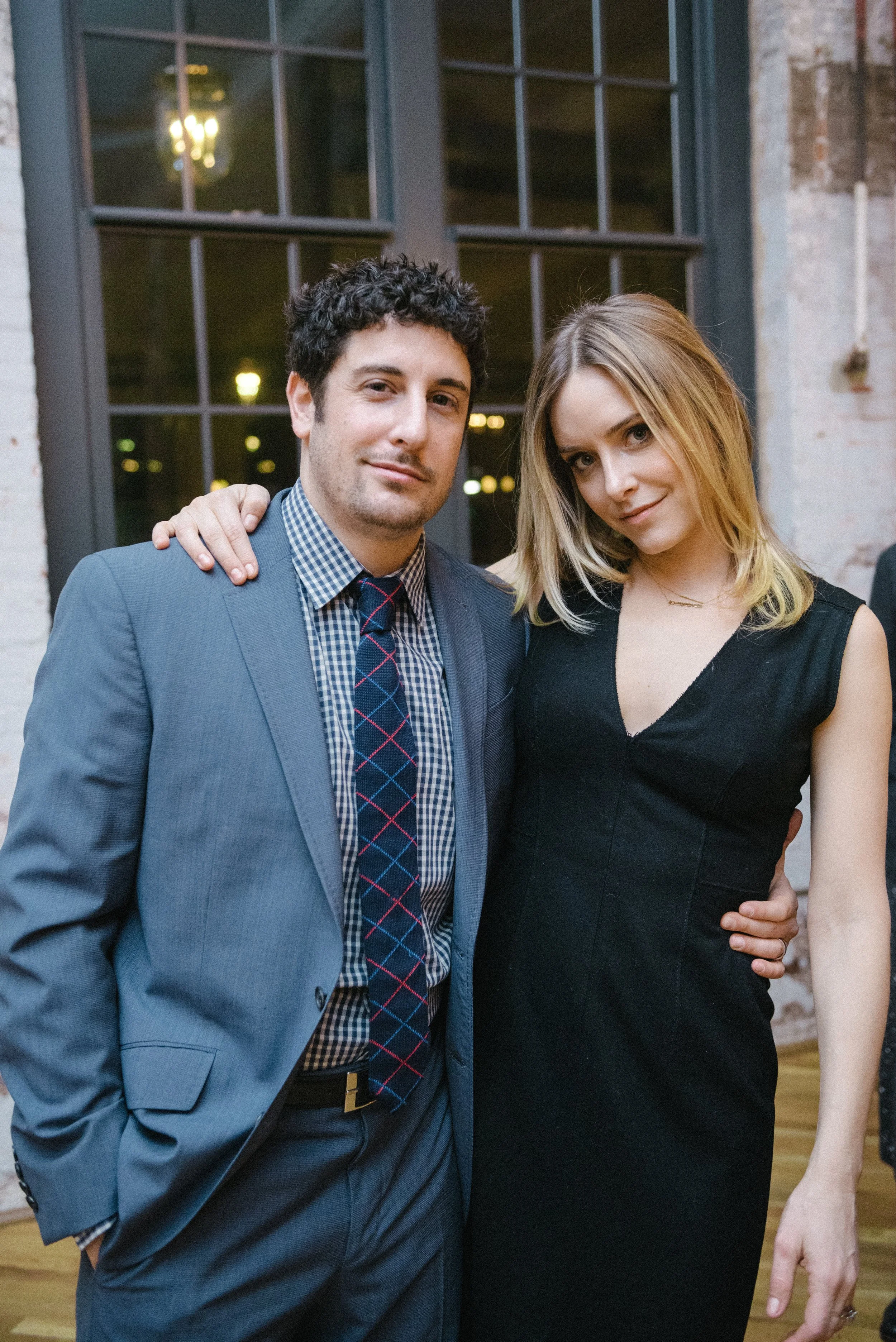
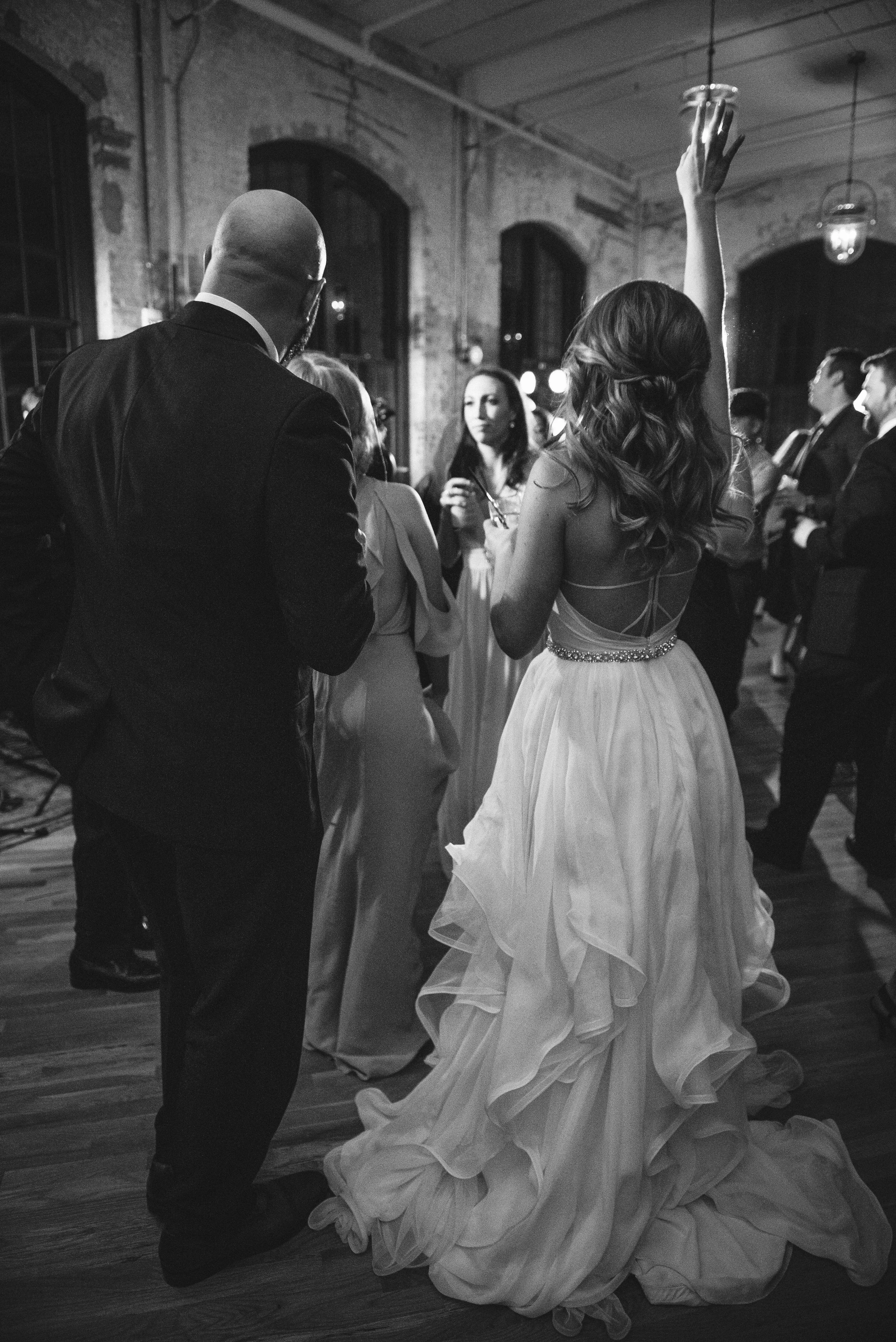
Reception lighting here matters more than at garden venues. Colored uplighting will overpower film quickly. Warm, consistent lighting allows the brick and texture to hold depth without turning muddy.
It’s a space that attracts fashion-forward, high-profile, and design-conscious couples — and it photographs beautifully when light is prioritized.
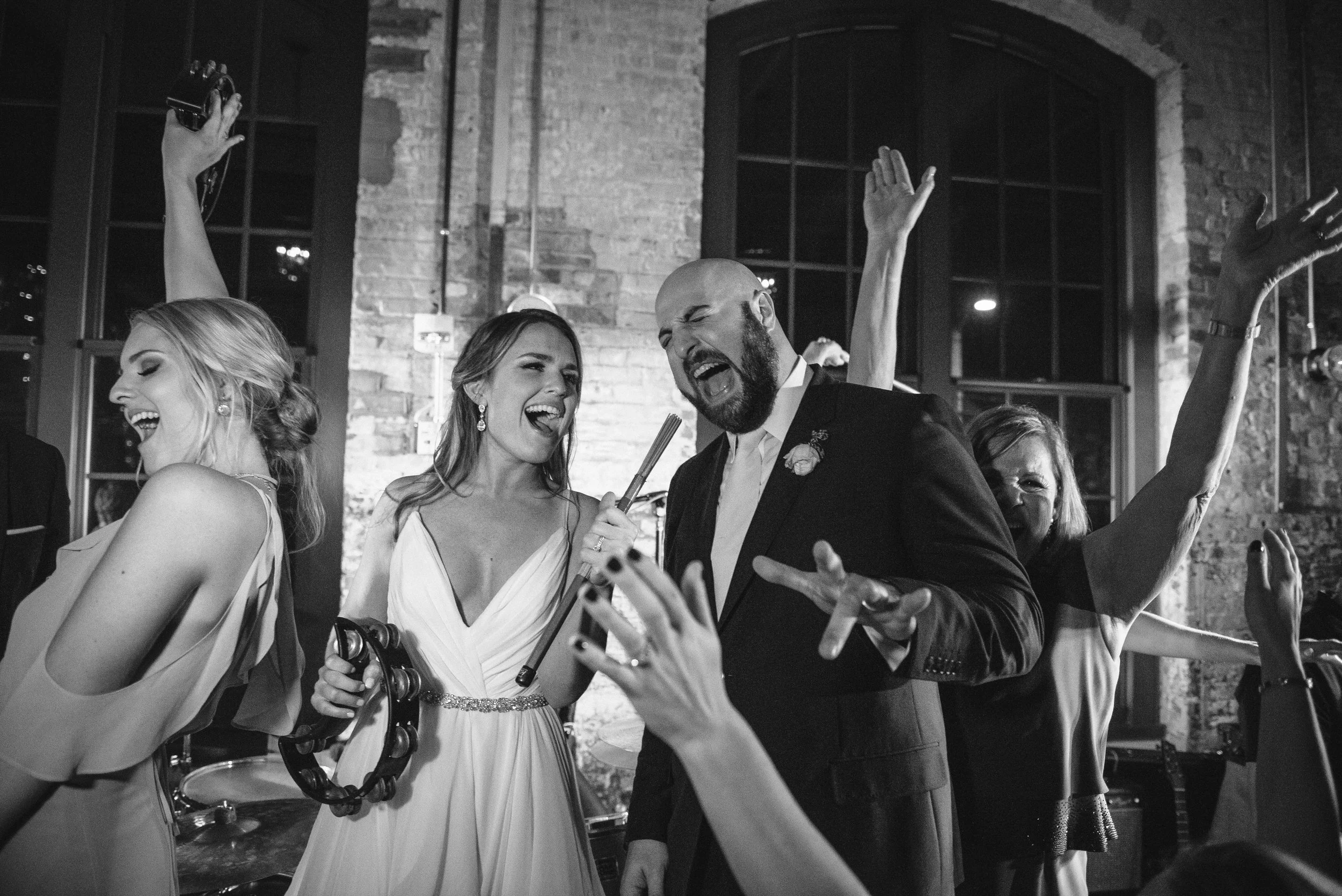
Best for: Elevated, modern weddings with strong design
Film advantage: Textured brick + architectural depth
Insider note: Keep reception lighting warm and restrained. The space already has character — it doesn’t need color washes competing with it.
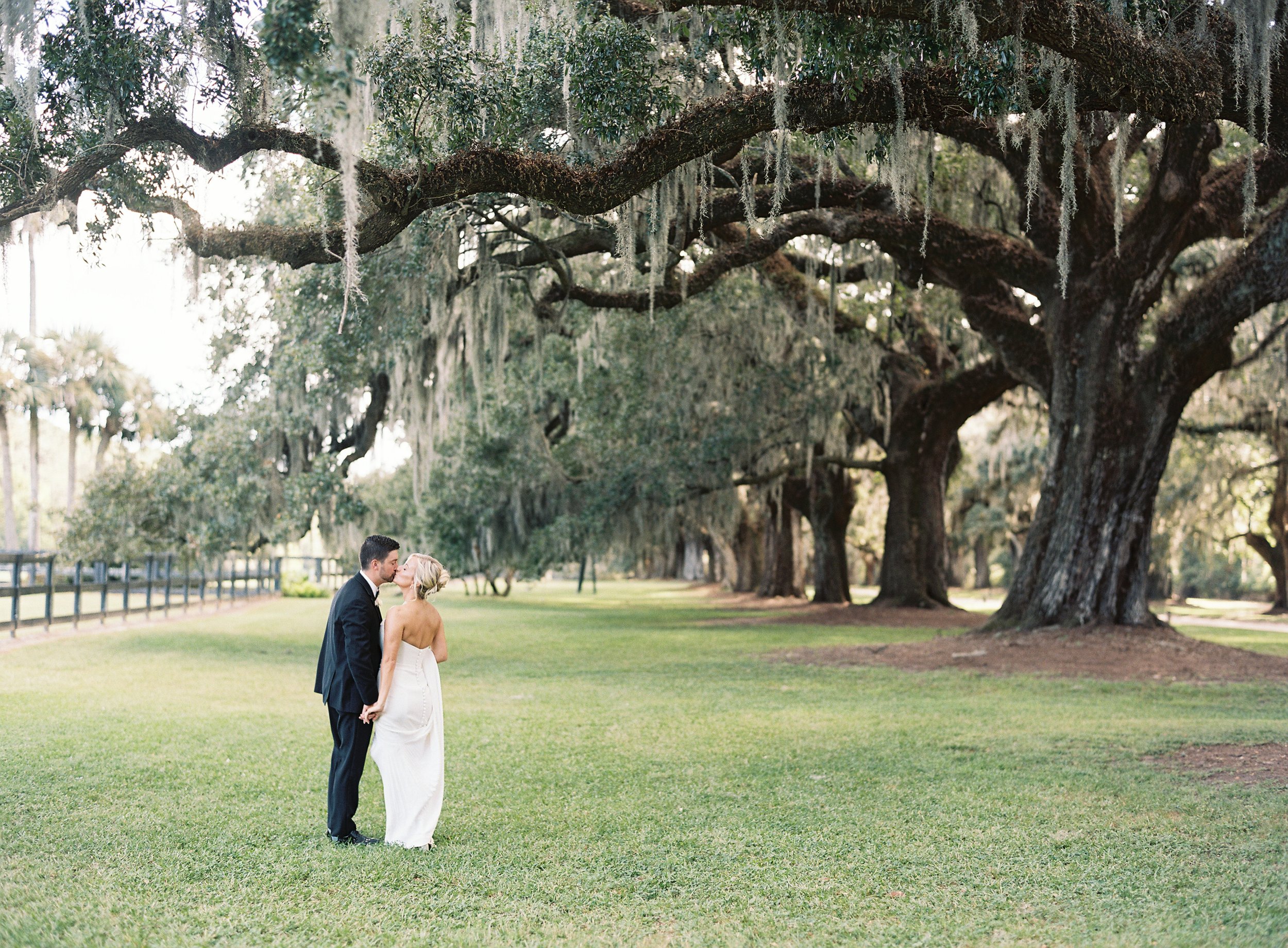
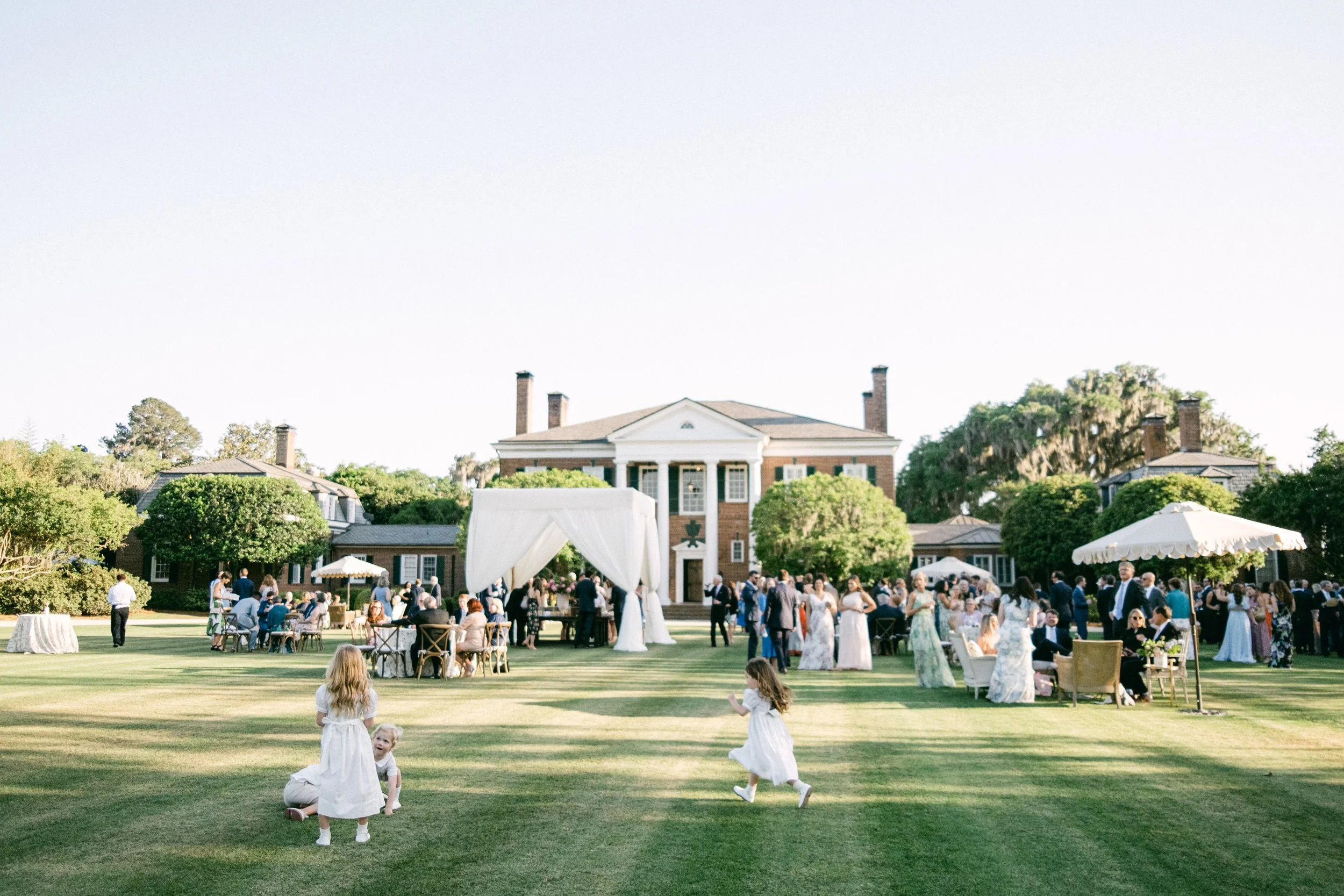
The Avenue of Oaks at Boone Hall Plantation remains an iconic ceremony location. The canopy filters light and creates depth rather than flat overhead brightness. It’s dramatic without being harsh when timed intentionally.
The Side Lawn allows flexibility for larger guest counts while maintaining proximity to the oaks.
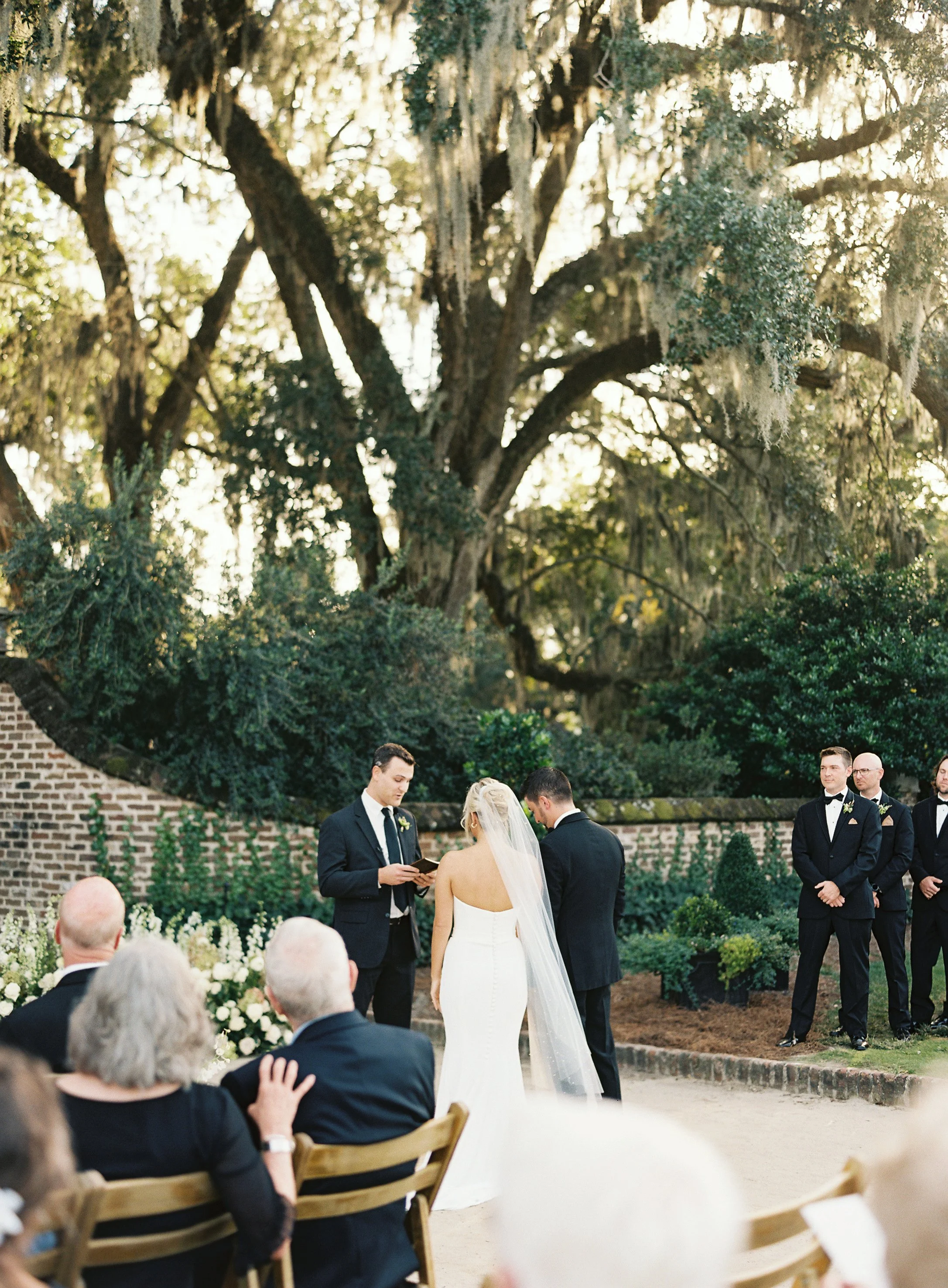
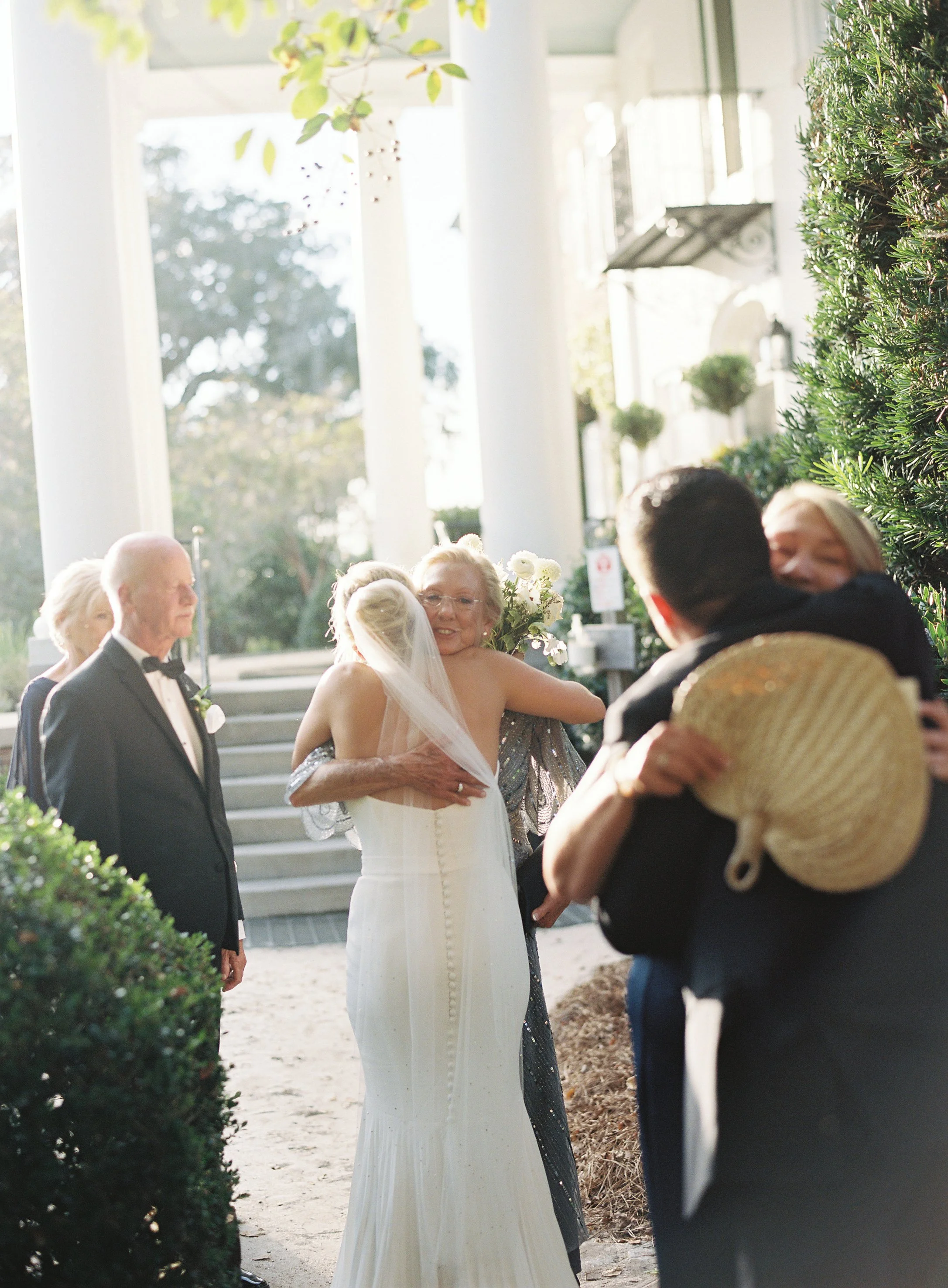
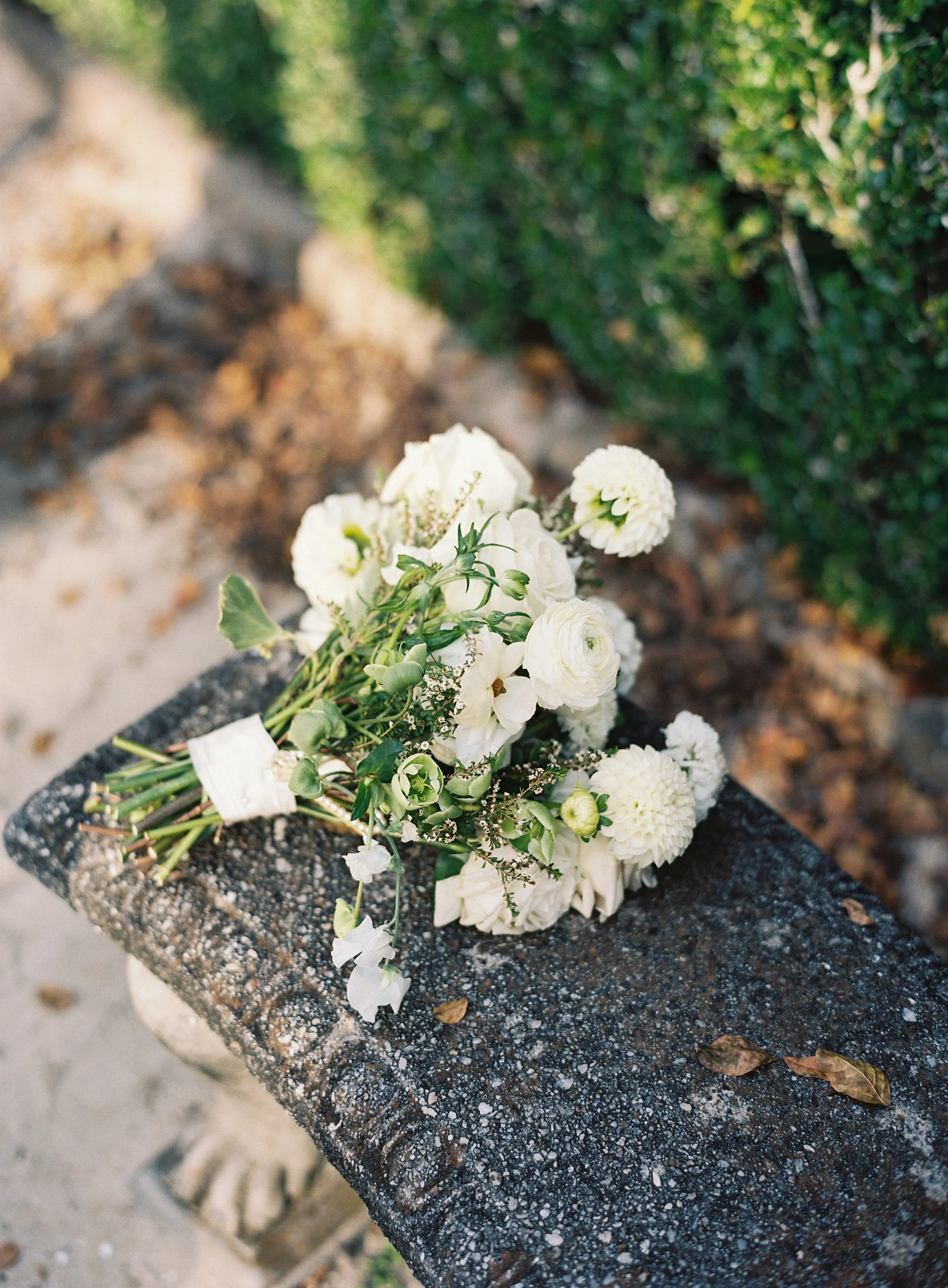
And the Cotton Dock changes everything.
Hosting the reception at the Cotton Dock allows the entire wedding day to stay on-site — ceremony, cocktail hour, and reception flowing seamlessly. The dock structure provides built-in texture and shelter while still allowing air and light to move through.
Warm, consistent reception lighting works best here. The wood tones and waterfront backdrop already carry character — they don’t need color washes competing with them.
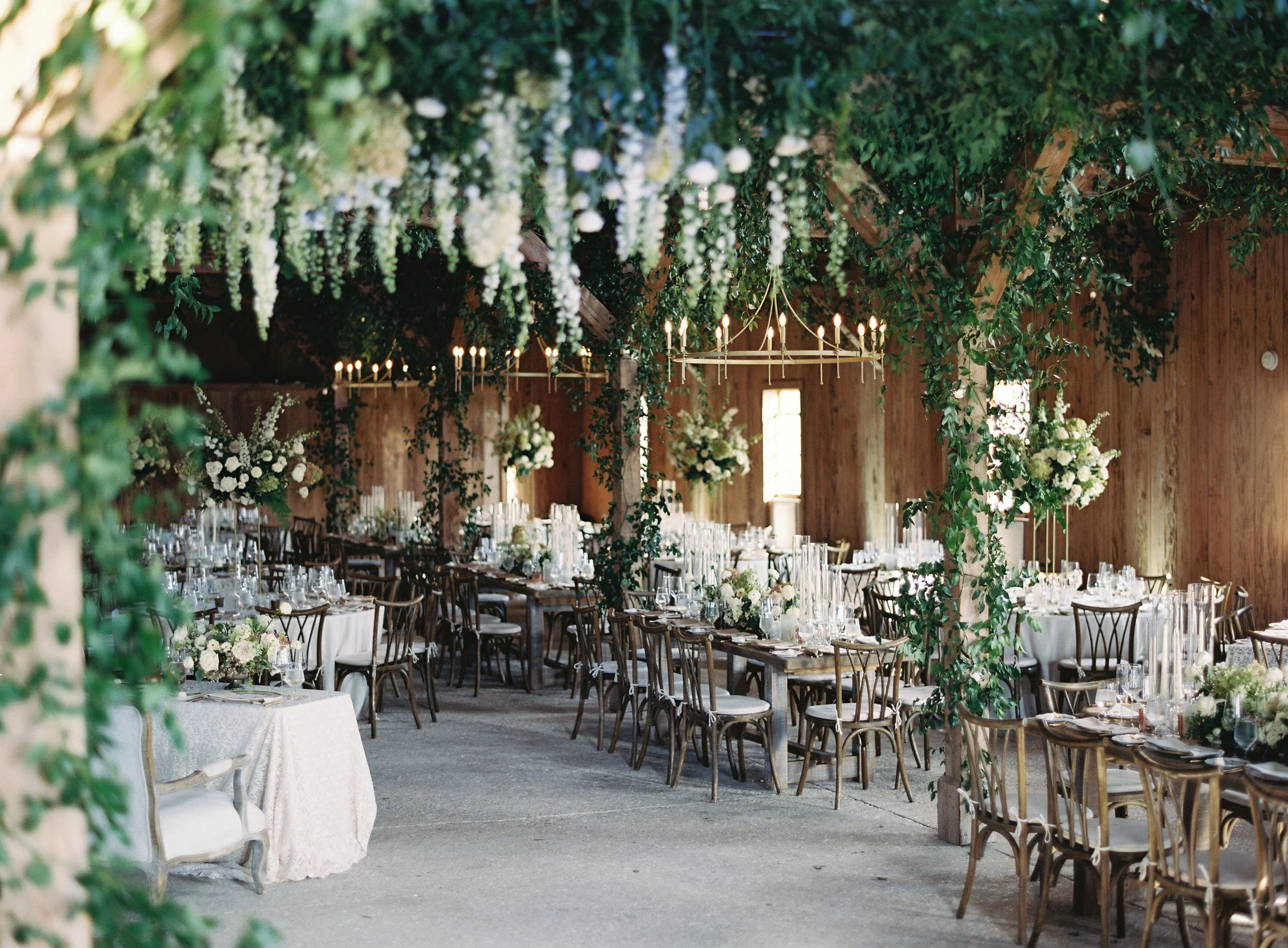
Best for: Classic Southern weddings with full-property flow
Film advantage: Natural canopy diffusion + textured dock reception space
Insider note: When ceremony and reception both stay on-site, the timeline relaxes — and that shows in the portraits.
The Governor Thomas Bennett House Wedding Venue
Tucked just off Broad Street, The Governor Thomas Bennett House feels quietly refined. It’s intimate without feeling small, historic without feeling heavy.
The front lawn offers classic Charleston symmetry — white façade, clean sightlines, layered greenery. It photographs beautifully when ceremony layouts allow space between guests and architecture. Tight seating can make it feel compressed, so thoughtful spacing matters here.
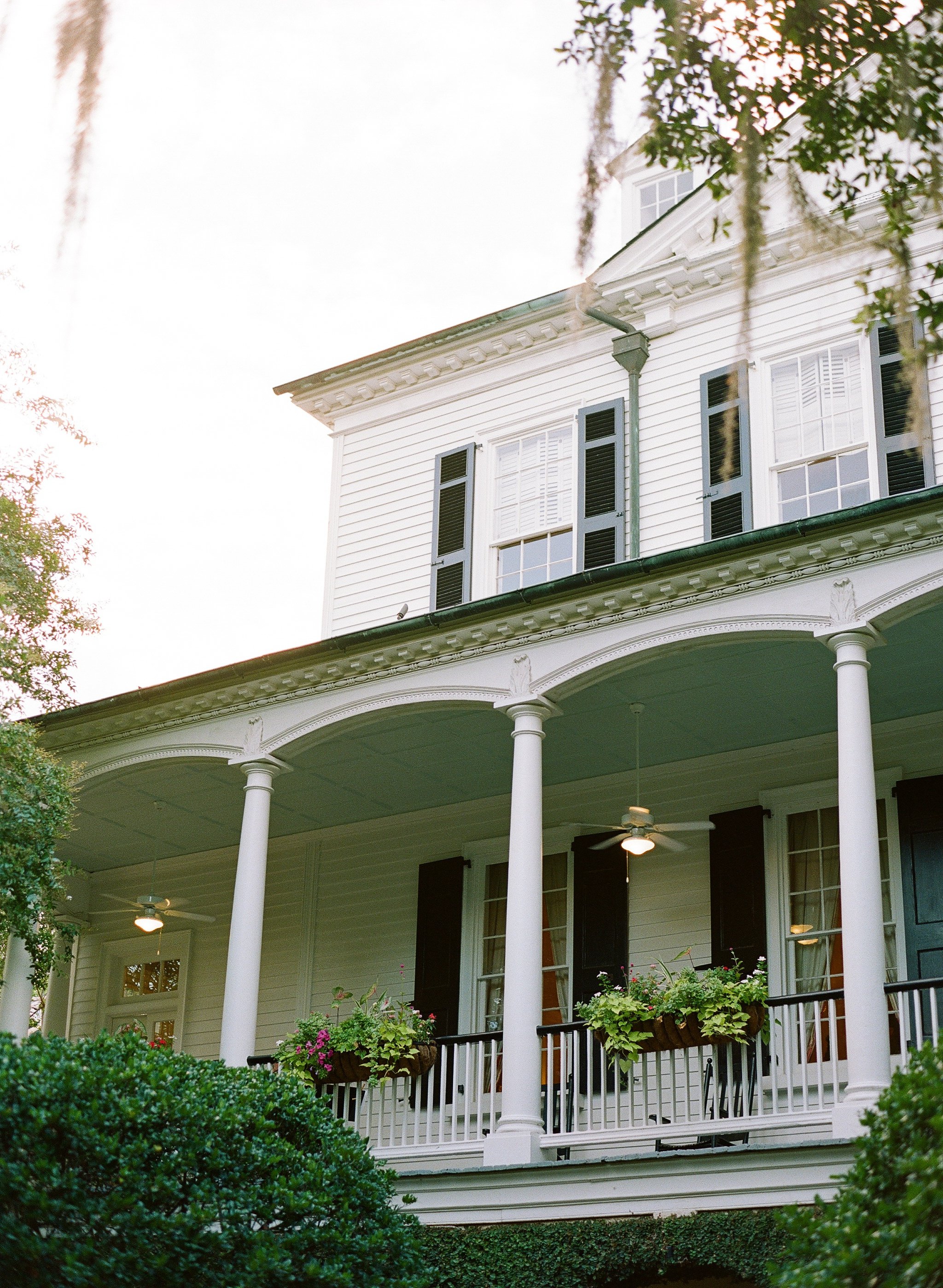
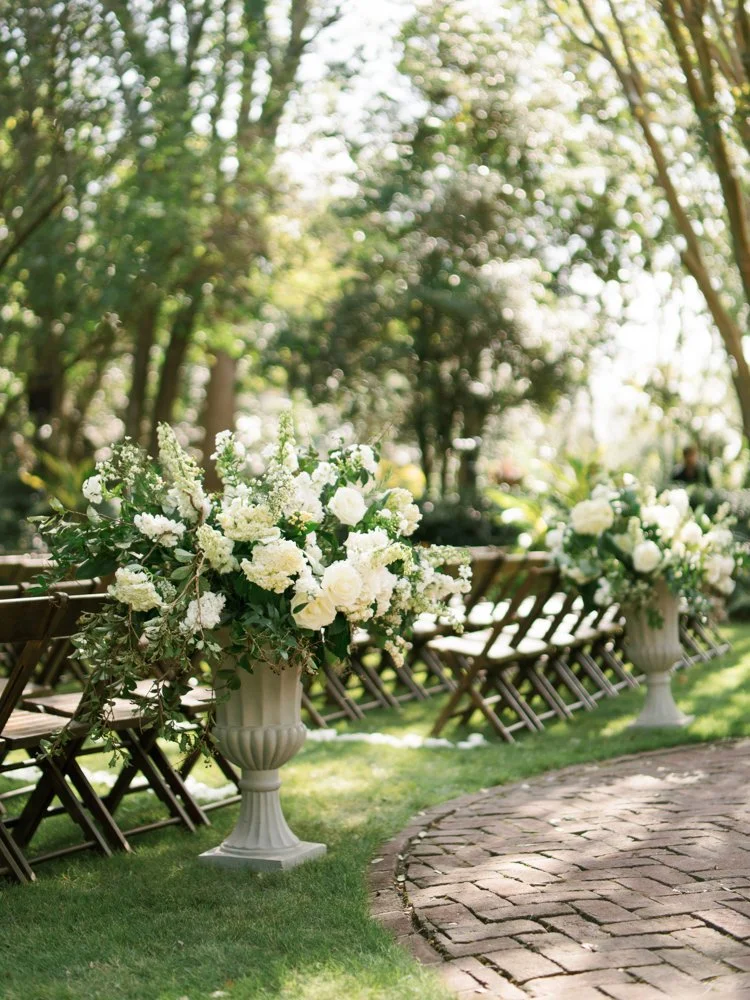
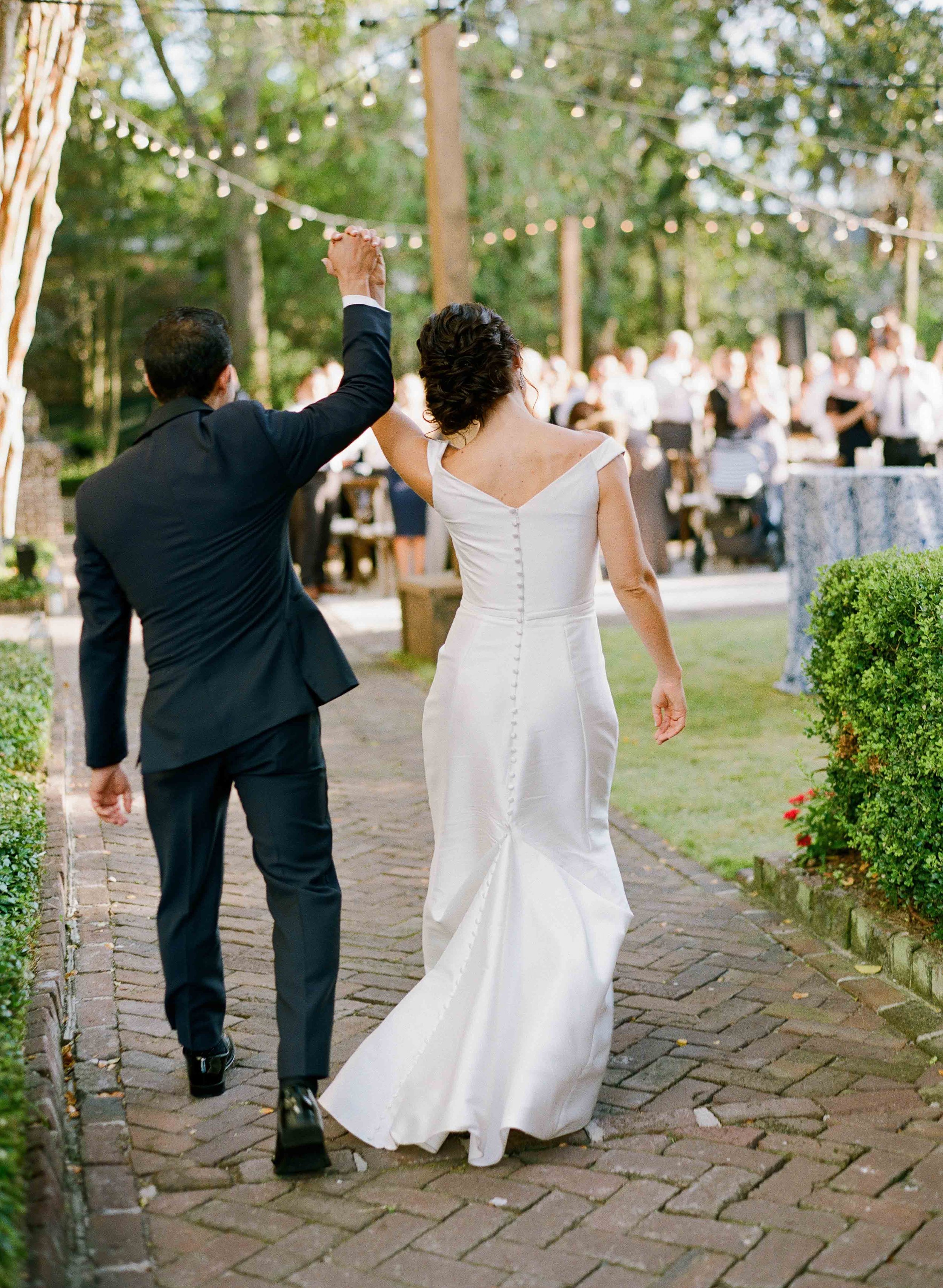
The courtyard and side gardens offer softer light and more privacy, especially when the day begins to settle. Indoors, window proximity is key. The historic interiors hold warmth, but natural light keeps portraits dimensional rather than flat.
Because the property is scaled for more intimate gatherings, timeline flexibility becomes the real advantage. You’re not managing sprawl — which means portraits can feel unrushed.
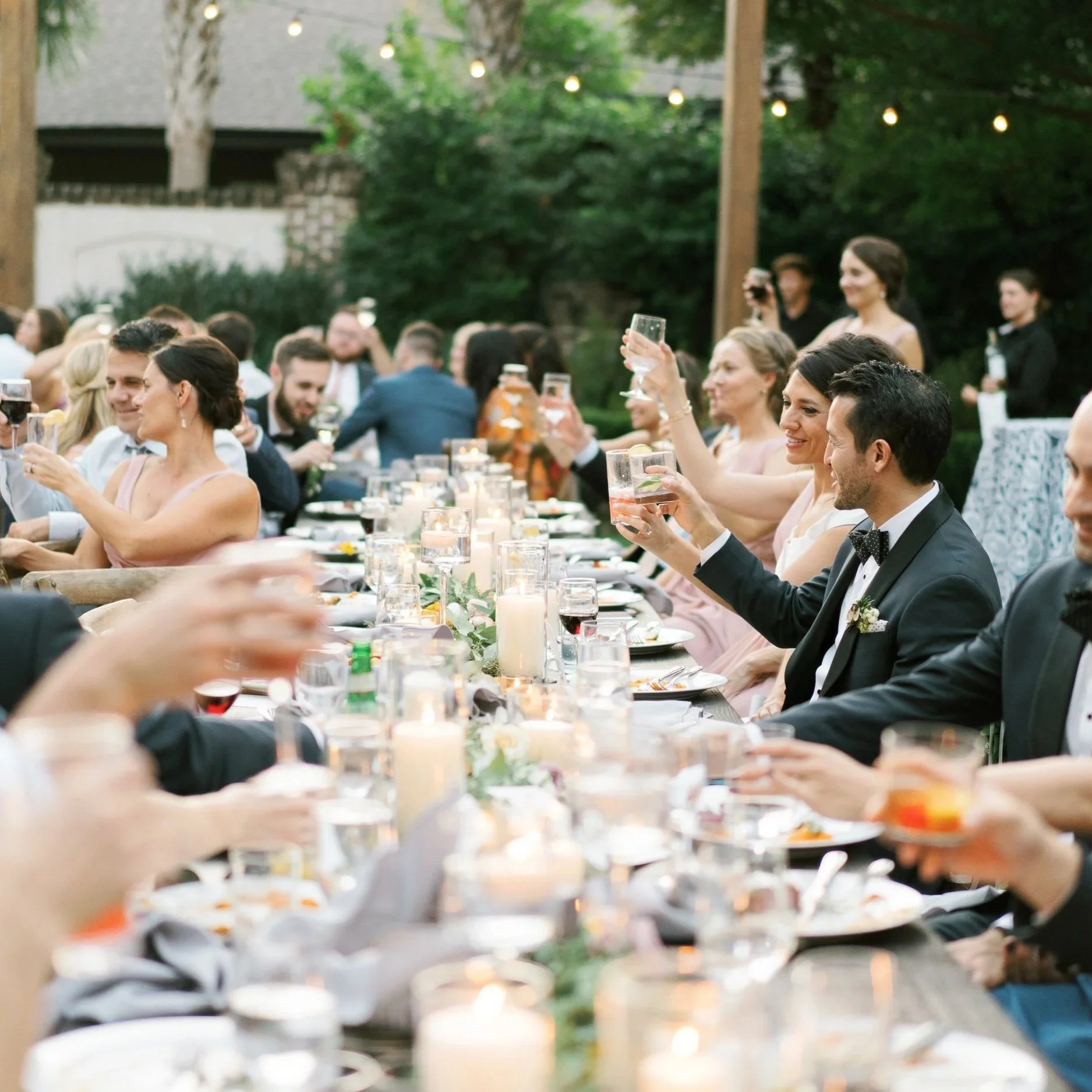
Best for: Refined, intimate Charleston weddings
Film advantage: Historic architecture + controlled scale
Insider note: Leave breathing room between rows at the ceremony. The façade deserves space behind you.
Legare Waring House Wedding Venue
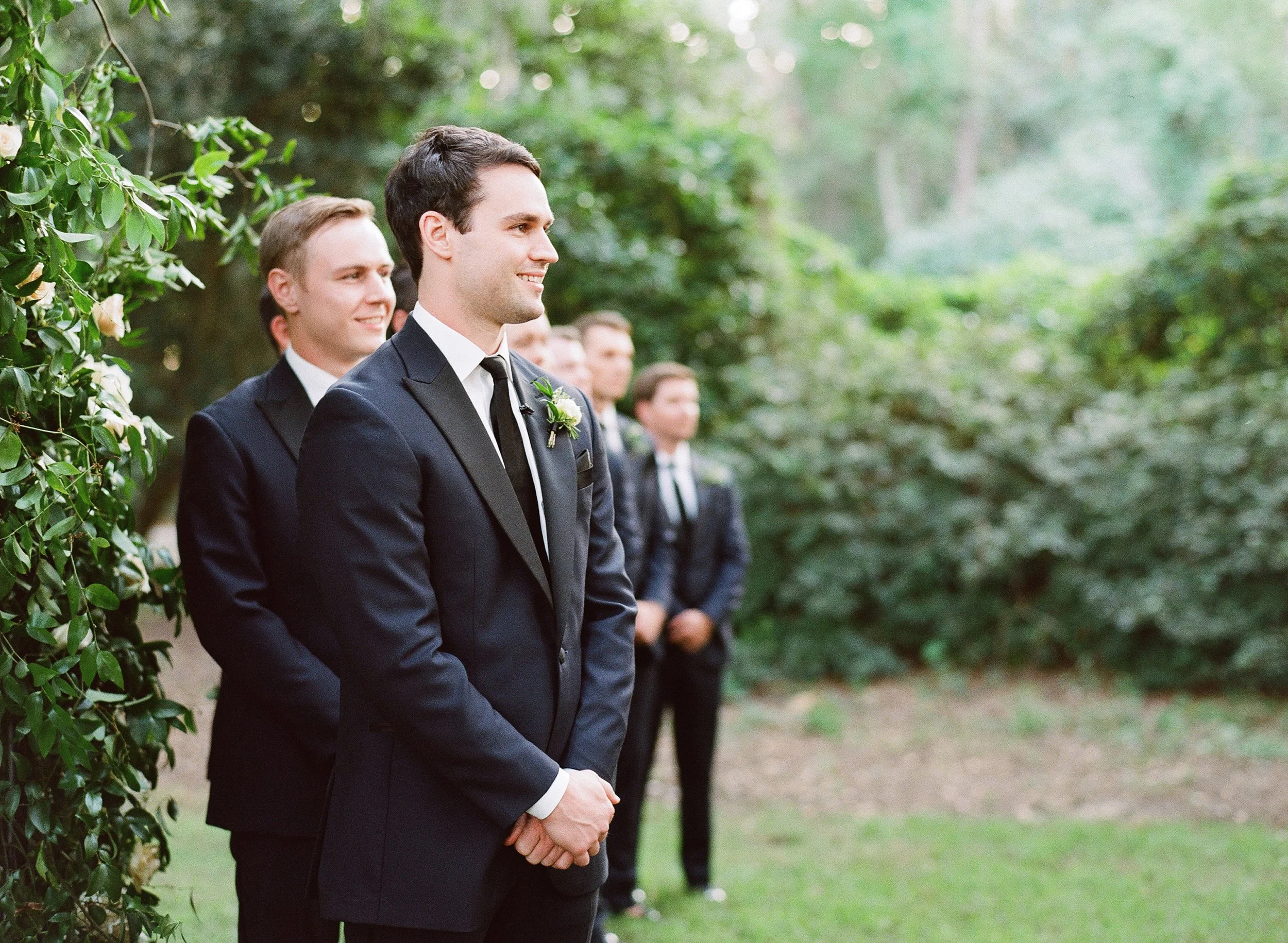
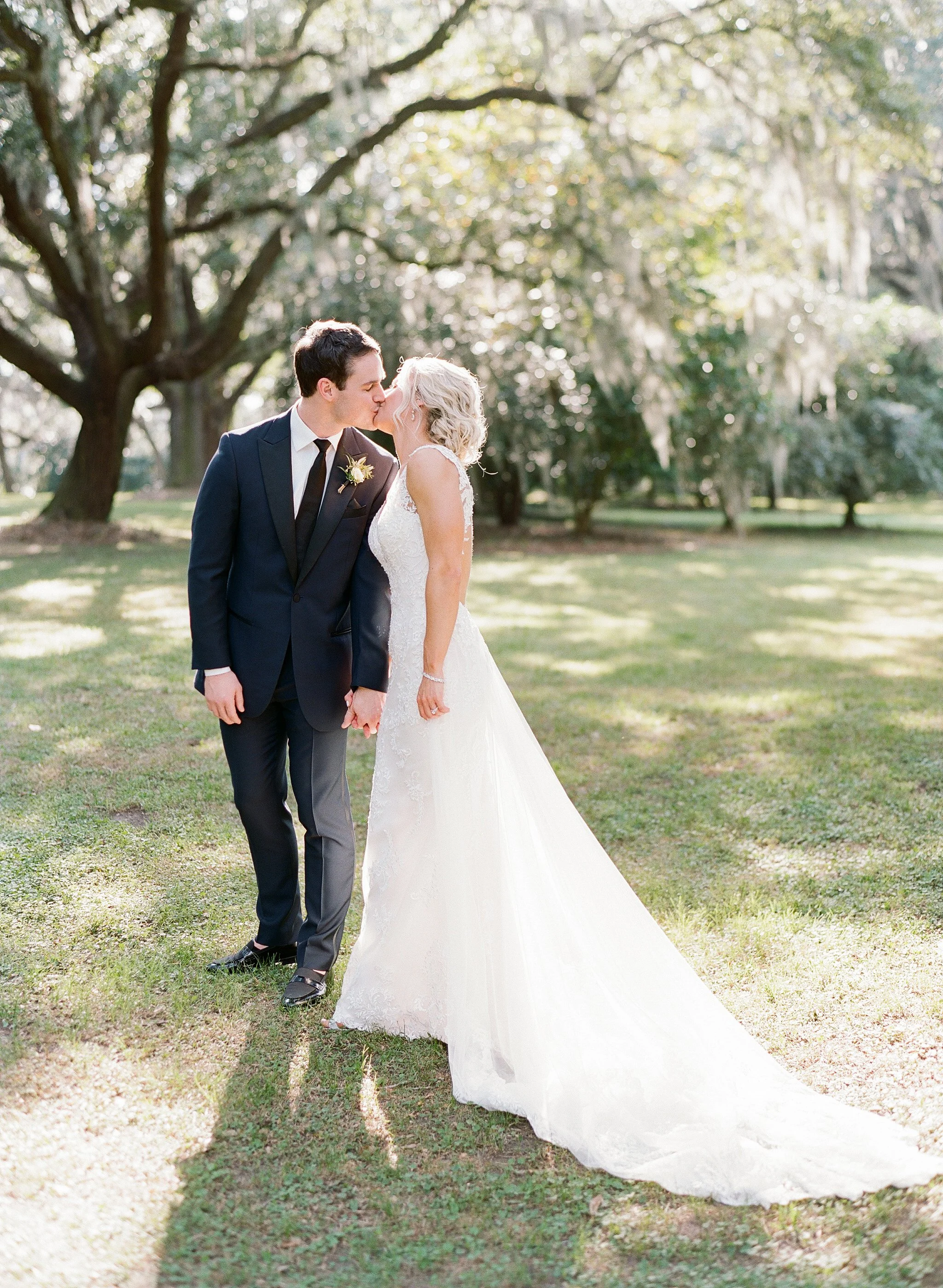
Legare is about the trees. The oak canopy isn’t just beautiful — it’s functional.
Ceremonies beneath the moss-draped live oaks benefit from consistent, diffused light. Unlike open lawn venues, you’re not battling harsh overhead sun. The trees soften brightness and keep faces evenly lit, which makes a noticeable difference on film.
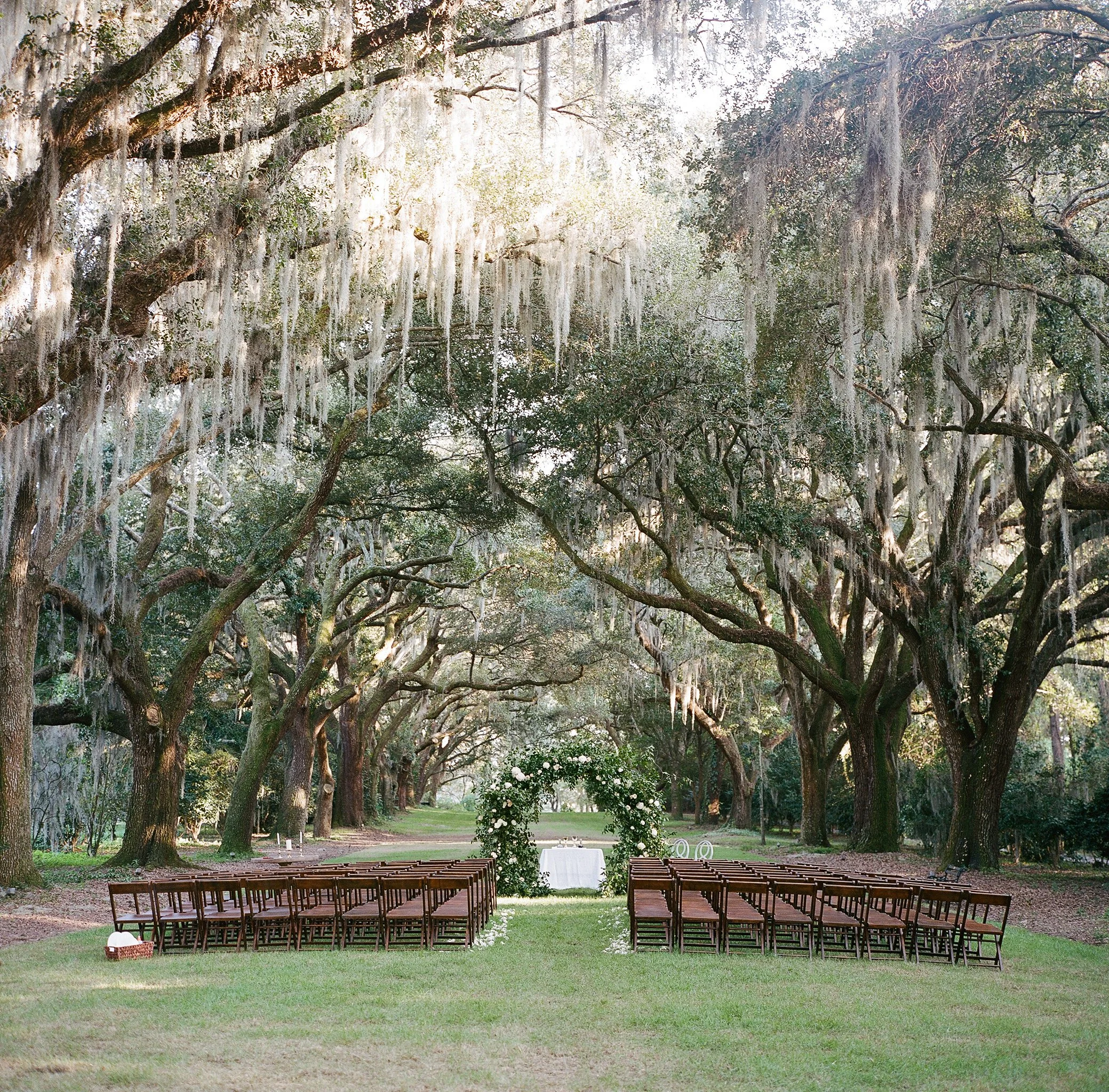
The long drive and reflective lagoon create depth in wide shots, especially when guests are framed under the canopy. It feels distinctly Southern without being theatrical.
Open lawn ceremonies outside of the tree line can shift dramatically depending on season and time of day, which is why placement here matters.
Portraits feel strongest along the edge of the canopy where shade transitions into light. That subtle gradient is where film holds the most dimension.
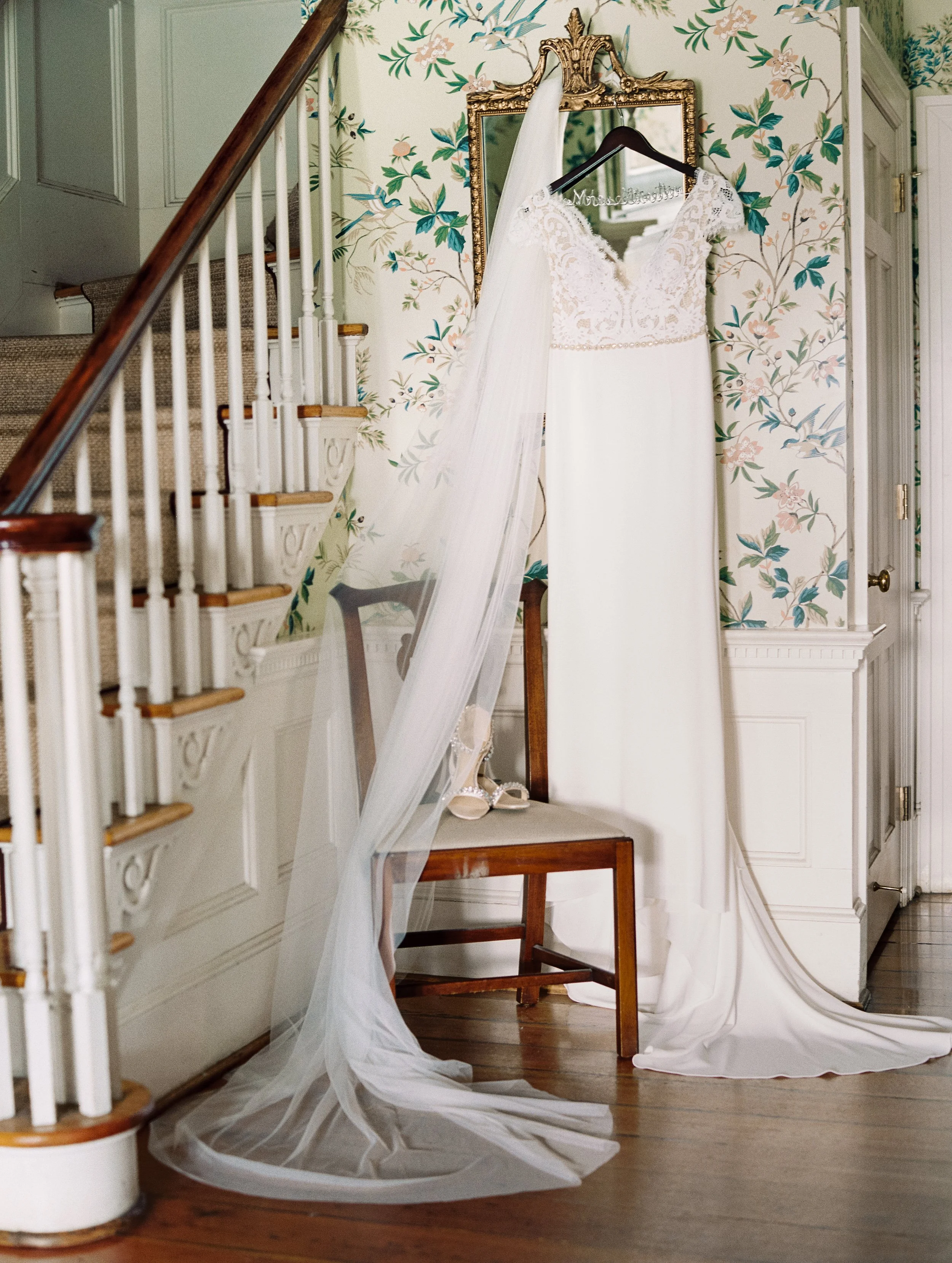
Best for: Classic Charleston oak ceremonies
Film advantage: Naturally diffused light + layered greenery
Insider note: Resist the urge to “open up” the ceremony by moving out from under the trees. The canopy is the advantage; it’s what makes this venue photograph so beautifully.
Gadsden House Wedding Venue in Charleston
Clean. Architectural. Modern.
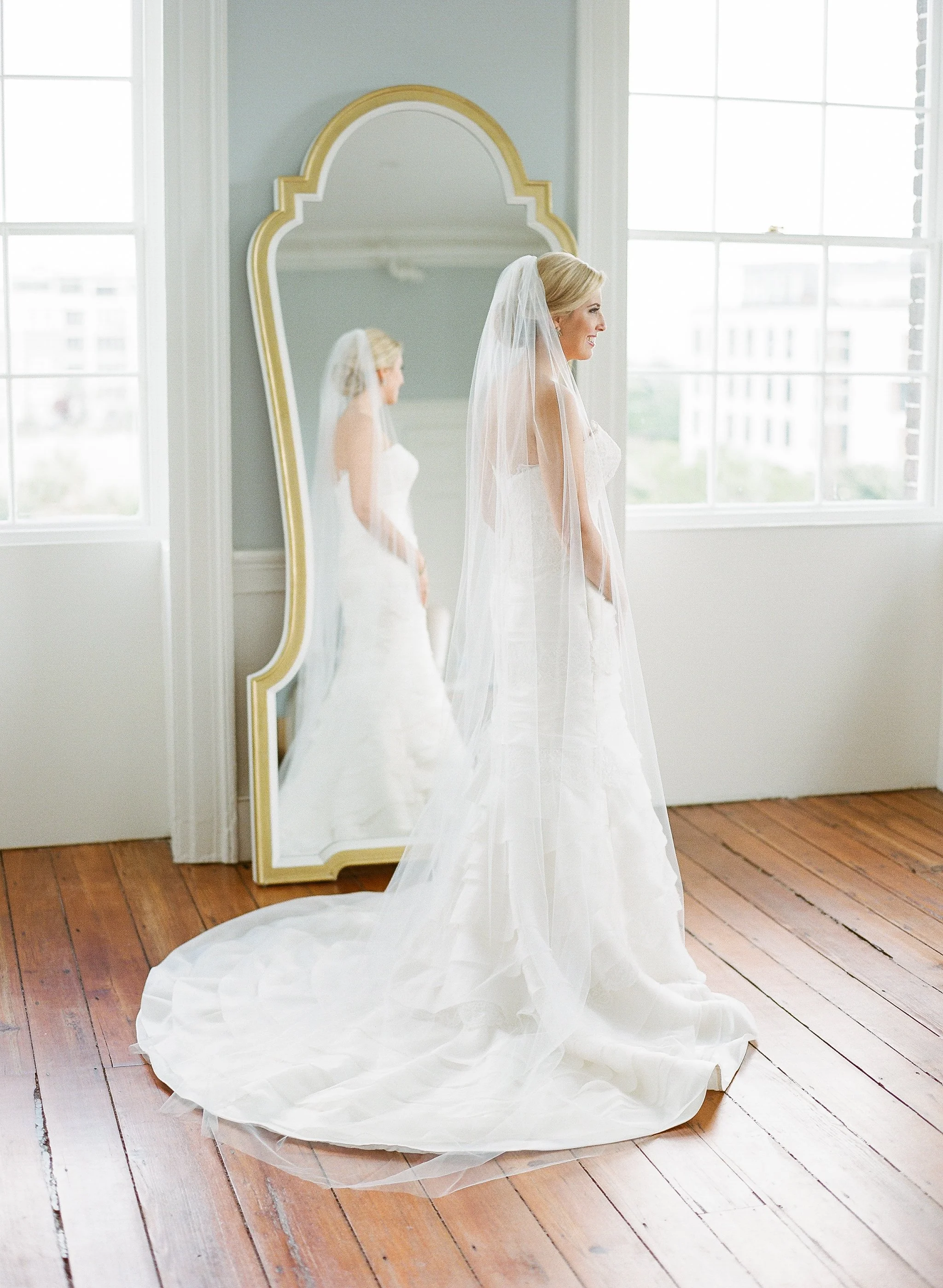
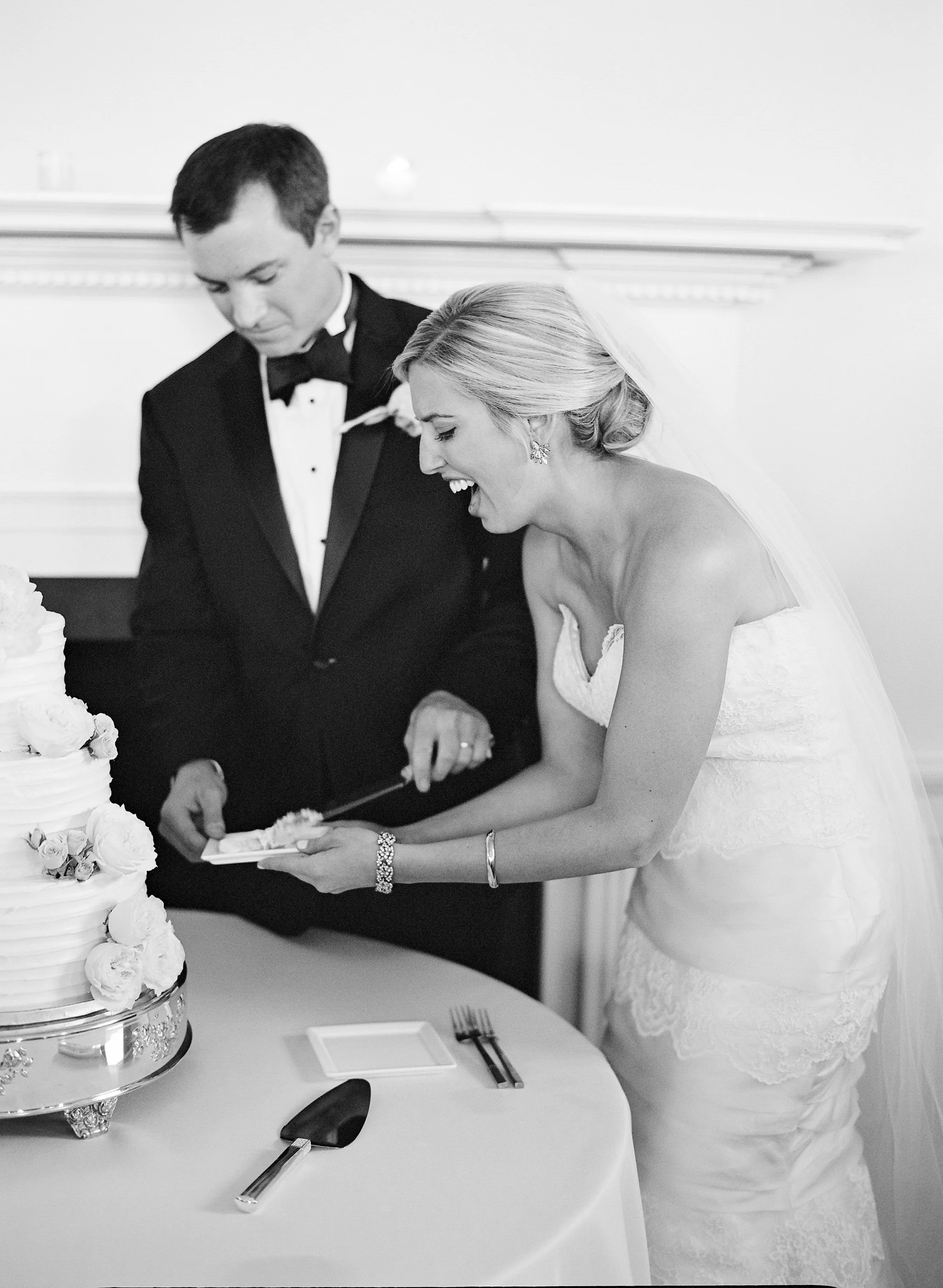
The front garden benefits from directional light rather than overhead intensity. Interior ceremony layouts should prioritize window placement.
Because the backdrop is neutral, film colors stay soft and true.
Best for: Floral-forward, design-conscious weddings
Film advantage: Clean lines + restrained palette
Insider note: Let the architecture support the design — not compete with it.
The Dunlin Auberge Resort Wedding Venue
The Dunlin brings a different tone to the Charleston wedding landscape — refined, coastal, and quietly elevated without feeling beachy.
Ceremonies on the open lawn overlooking the Kiawah River offer expansive marsh views and soft architectural lines. The neutral palette and layered porches create depth without visual clutter, which translates beautifully on film.
Because it’s a full resort property, the timeline flow is seamless — getting ready, guest accommodations, rehearsal dinner, ceremony, and reception all stay contained. That containment protects portrait time and keeps the day from feeling rushed.
The open river backdrop rewards couples who prioritize atmosphere over convenience. When light begins to soften, the entire property shifts.
Best for: Refined coastal destination weddings
Film advantage: Open river horizon + clean architectural palette
Insider note: Protect sunset portrait time along the riverfront. That’s when the landscape feels dimensional rather than flat.
Gibbes Museum of Art Wedding Venue
The Gibbes offers something rare in Charleston: a ceremony space that feels architectural and editorial without relying on outdoor landscape.
The upstairs Rotunda is the standout. Circular lines, marble, and diffused natural light create structure that photographs beautifully on film. It works especially well for couples drawn to indoor elegance without the heaviness of a ballroom.
The key consideration here is timing. Portraits inside the Rotunda should happen before reception lighting takes over. Once the mood shifts, it becomes more atmospheric and less dimensional.
The courtyard can also work beautifully when light softens, and the surrounding architecture creates subtle shade.
Best for: Elegant indoor ceremonies with strong architectural presence
Film advantage: Marble texture + controlled interior light
Insider note: Keep décor restrained in the Rotunda. The architecture is already the statement.
Why Venue Choice Matters for Film
Film notices everything.
It responds to light direction. It reacts to shadow depth. It rewards structure and space.
When venue, season, and timeline are aligned, the final gallery feels layered and effortless.
It’s not about choosing the most talked-about property.
It’s about choosing the one that supports how you want your wedding documented.
From historic estates to waterfront properties and editorial indoor spaces, Charleston wedding venues each photograph differently depending on light, architecture, season, and timeline. Choosing the right venue is only part of the equation. Knowing how to use that venue well is what creates wedding images that feel effortless, dimensional, and true to the day.
Frequently Asked Questions
-
Charleston venues with strong architecture, gardens, waterfront views, and natural light tend to photograph especially beautifully on film. Properties like Middleton Place, William Aiken House, Lowndes Grove, The Dewberry, Legare Waring House, Boone Hall Plantation, and Kiawah Island venues offer the kind of light and structure that support an editorial, film-forward aesthetic.
-
A venue photographs beautifully on film when it has soft natural light, open shade, neutral interiors, and space for clean compositions. Historic Charleston properties with gardens, waterfront views, or large windows tend to work especially well because film captures subtle light transitions and texture in a way that feels dimensional and timeless.
-
A first look can help create more time earlier in the day for portraits, when the timeline is calmer and light is often softer. Many couples choose to do a first look so they can capture a larger portion of their portraits on film before the ceremony begins.
-
Not necessarily. Film performs best when there is usable window light or open shade, but it does not require extremely bright environments. Many Charleston venues photograph beautifully on film when ceremonies and portraits are timed for softer light earlier or later in the day. In very dark reception spaces, hybrid coverage may be used so important moments are never missed.
-
Late afternoon into golden hour is ideal for film portraits in Charleston, when the light softens and gains warmth. Film also photographs beautifully in open shade, gardens, and near large windows. The key is avoiding harsh midday overhead sun whenever possible.
-
The number of film images varies depending on the length of coverage and how film is incorporated into the day. A film-forward approach typically includes a meaningful portion of the wedding photographed on medium format and 35mm film, with digital coverage supporting fast-paced or low-light moments.
-
Yes. Many photographers use a hybrid approach, photographing key moments on film while using digital cameras for fast movement and very low-light conditions. This ensures the final gallery maintains a film-forward look while still capturing the energy of the reception.
-
Yes. True film has a different highlight roll-off, tonal depth, and color response that comes from the physical medium itself. While editing can mimic certain film characteristics, it cannot fully replicate the way real film responds to light and color.